
24/7 Customer Support

Free returns

Same-day & Next-day Delivery

Quality Guaranteed

Unlock Your Welcome Offers: FREE Delivery | Up to 80% OFF | Free 30-day JoyPlus trial
Download the APP
For modern mothers in the UK, life is a constant balancing act. Juggling a career, managing a household and caring for a new baby can feel overwhelming. Traditional breast pumps, with their tubes, wires and noisy motors, often leave you tethered to a power socket, making it difficult to do anything else. This is where the wearable breast pump comes in, offering a way to express milk discreetly and efficiently while you get on with your day.
Choosing the right pump can feel like a challenge with so many options available. This guide is designed to cut through the marketing jargon and provide clear, practical information. As the Joybuy Product Recommendation Officer, my goal is to help you understand the key features to look for, so you can find a pumping solution that genuinely fits your lifestyle.
Before diving into specific models, it's helpful to understand the key factors that will influence your decision. Thinking about your daily routine and pumping needs will help you narrow down the options.
The primary appeal of a wearable breast pump is freedom. A true in-bra breast pump fits entirely inside your nursing bra, with no external tubes or bottles. This makes it ideal for breast pump for working mums or for use when out and about. For maximum discretion, look for a quiet breast pump with a low-decibel motor. A rechargeable breast pump with a long battery life is also essential for a truly portable, travel breast pump experience, freeing you from cables and power outlets.
Pumps come in several types, each suited to different needs. A double electric breast pump allows you to express from both sides simultaneously, which can be a significant time-saver for frequent pumpers. In contrast, a manual breast pump is operated by hand. While more labour-intensive, manual pumps are silent, lightweight and don't require a power source, making them an excellent backup or option for occasional use. Many electric models also feature multiple modes, such as a stimulation phase to encourage let-down and an expression phase to collect milk, mimicking a baby's natural feeding rhythm.
Comfort is not a luxury; it is essential for effective pumping. An ill-fitting breast shield (or flange) can cause discomfort and reduce milk output. Many modern pumps now come with multiple flange sizes or soft silicone inserts to help you find the perfect fit. Look for models made from food-grade, BPA-free silicone that feels soft against the skin.
Here are some noteworthy options that cater to a variety of needs and preferences, from high-tech electric models to reliable manual pumps.

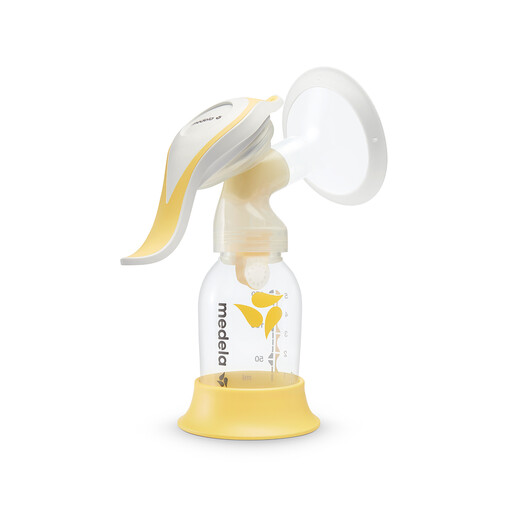
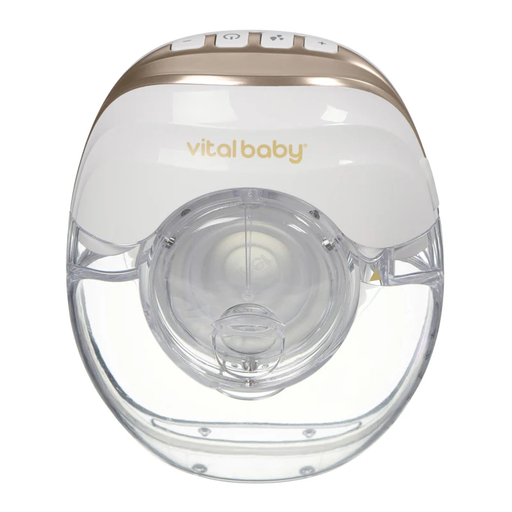
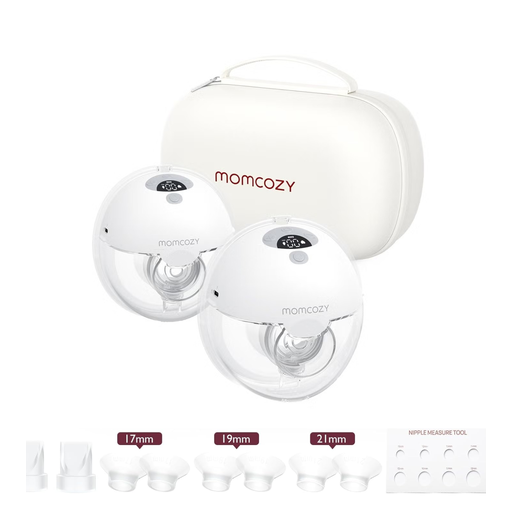
The world of breast pumps is vast, with many different types of motors, accessories and replacement parts available. If you're still exploring your options or looking for specific components, you can browse our broader collection of pumping solutions and controllers.
1. Can you use a wearable breast pump while lying down? It is generally not recommended. Most wearable pumps are designed to be used in an upright position (sitting, standing or walking) to ensure gravity helps milk flow into the collector and to prevent leaks. Always refer to the manufacturer's specific guidelines for your model.
2. How often should you replace wearable breast pump parts? This depends on the brand and how often you pump. Silicone parts like valves, diaphragms and flanges can lose their elasticity over time, which can reduce suction. As a general rule, it's a good idea to inspect these parts regularly and plan to replace them every 1 to 3 months to maintain hygiene and performance.
3. Are wearable breast pumps as powerful as traditional electric pumps? Modern wearable breast pumps have made significant advancements in motor technology. While hospital-grade pumps traditionally offer the highest level of suction, many of today's high-quality wearable models provide performance that is more than sufficient for establishing and maintaining a milk supply for most users. The key to effective output is often a combination of a good motor, the correct flange fit and the right settings for your body.