
24/7 Customer Support

Free returns

Same-day & Next-day Delivery

Quality Guaranteed

Unlock Your Welcome Offers: FREE Delivery | Up to 80% OFF | Free 30-day JoyPlus trial
Download the APP
A hands-free wearable breast pump can make expressing more manageable at home, in the office or while travelling. However, convenience depends on more than a pump being labelled “wireless”. The fit, cleaning routine, battery performance and package contents can determine whether it becomes a useful part of your routine or an expensive item left in a drawer.
A wearable breast pump sits inside a nursing bra, so its shape and weight matter. A cup that is too bulky may press against the breast or shift during movement. Flange alignment is equally important: if the nipple is not centred, suction may feel uncomfortable and milk collection can be affected.
Look for several flange or insert sizes rather than assuming the supplied size will suit you. For example, the Momcozy M5 range lists 17 mm, 19 mm, 21 mm and 24 mm options, while some Medela wearable models include additional silicone inserts.
A pump may promote many suction levels, but more intensity is not automatically more suitable. A breast pump with adjustable suction levels should allow you to begin gently and increase gradually according to comfort.
Check whether the pump offers separate stimulation and expression modes. These can make it easier to adjust the session as milk flow changes. Stop using the pump if you experience pain, irritation or unusual symptoms, and seek appropriate professional advice.
A wireless breast pump is only convenient if it can be charged reliably and cleaned without taking up excessive time. Check the stated sessions per charge, charging connection and whether milk-contact parts are dishwasher-safe or require hand washing.
Also confirm which components must stay dry. On many electric models, the motor unit should be wiped rather than submerged. Replacement silicone valves, membranes and seals are ongoing costs that should be considered before purchase.
The breast shield should form a comfortable seal without excessive pressure. Some models use wide-angle or anatomical designs, while others provide inserts to accommodate different nipple sizes. Transparent cups can help you check positioning before starting.
A correct fit should be treated as a practical requirement, not a cosmetic feature. A pump that includes only one size may require an additional purchase if that shield is unsuitable.
A single and double breast pump offers different advantages depending on your routine:
A double pump can be more practical for frequent expressing, but it usually costs more and includes more parts to store and clean.
For milk-contact components, check the product specification for BPA-free materials and food-grade silicone or plastic. BPA-free status is a material specification, not a guarantee that a pump will suit every user.
Review the collector capacity as well. A smaller cup may be more discreet but could require emptying during a longer session. You should also check the manufacturer’s instructions for sterilisation, dishwasher use and replacement intervals. Follow the supplied guidance rather than relying on general cleaning assumptions.
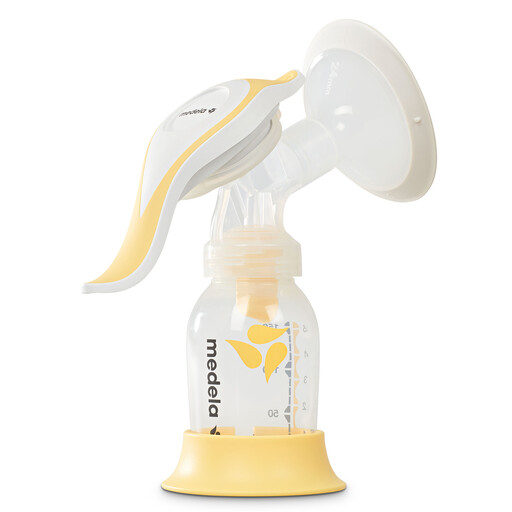
Why This Fits Their Persona: A practical entry point for occasional expressing, a backup pump or parents who do not want to manage batteries and cables.
It avoids relying on battery claims and has a compact format with fewer components to manage.
Manual operation, included 150 ml bottle and stimulation and expression handle phases.
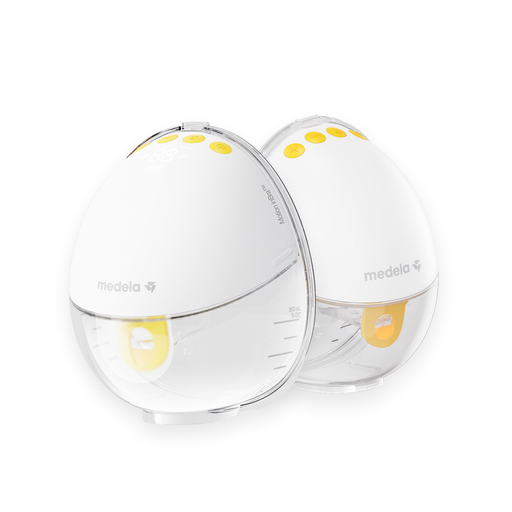
Why This Fits Their Persona: Suits users who want a fully wearable double electric pump with multiple fit options for regular home, office or travel sessions.
The specification lists three silicone insert sizes alongside the 24 mm shield, helping reduce dependence on a single fit.
Double electric operation, 9 suction levels, USB-C rechargeable battery and three detachable cleaning parts.

Why This Fits Their Persona: A double-pack option for parents expressing frequently and needing cordless use across workdays, journeys or busy household routines.
It provides multiple modes, 9 suction levels and several flange inserts instead of relying on one fixed setting or size.
Two wearable units, BPA-free silicone components, rechargeable battery and stated use of up to 180 minutes per charge.
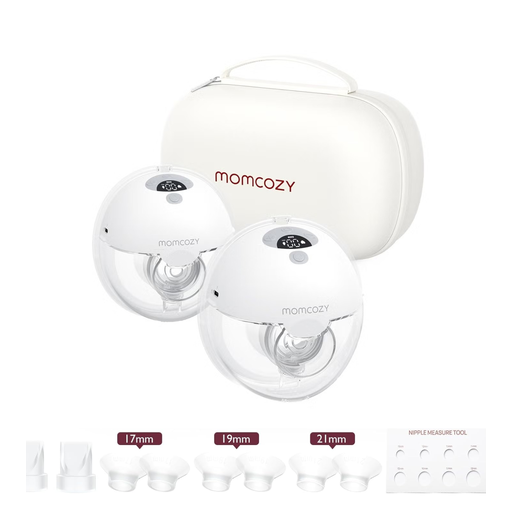
Why This Fits Their Persona: Its wireless format is suited to discreet expressing during a working day, provided your bra offers adequate support and the fit is checked beforehand.
The double-sealed shield, four listed flange sizes and 9 adjustable suction levels address common fit and comfort uncertainties.
Three modes, 9 suction levels, 225 g stated weight and BPA-free food-grade materials.
We have compiled a complete, real-time list of products that fully satisfy these strict selection criteria and UK safety regulations.
It can be suitable if the pump fits securely inside a supportive nursing bra, operates quietly enough for your setting and has sufficient battery capacity for your planned sessions. Pack spare charging equipment, milk storage containers and replacement valves where practical. Always follow workplace guidance for expressing and storing milk.
The replacement interval depends on the manufacturer, frequency of use and condition of the parts. Inspect membranes, valves, seals and silicone components regularly. Replace any part that is cracked, stretched, cloudy or no longer maintains suction. Some product guidance suggests replacing silicone components approximately every three months, but the supplied instructions should take priority.
Not necessarily. A wireless model may reduce the need for mains access, but it has a rechargeable battery and may require replacement valves, membranes, shields or inserts. Compare the initial price, included accessories, charging method, cleaning requirements and replacement-part availability before deciding.