
24/7 Customer Support

Free returns

Same-day & Next-day Delivery

Quality Guaranteed

Unlock Your Welcome Offers: FREE Delivery | Up to 80% OFF | Free 30-day JoyPlus trial
Download the APP
A wearable hands-free breast pump can make expressing easier at home, at work or while travelling around the UK. However, a compact design does not automatically mean comfortable, quiet or practical. The right choice depends on fit, cleaning, battery life and whether you need a single or double breast pump.
Before comparing models, watch for three common purchasing traps.
Marketing often focuses on powerful suction, but the highest setting may not suit your body. Excessive suction can feel uncomfortable and may discourage regular use. A useful hands-free electric breast pump should offer several modes and adjustable levels, allowing you to start gently and increase intensity only when comfortable.
A breast shield that is too large or too small can affect the seal, comfort and collection performance. A pump supplied with only one flange size may require an additional purchase. Check whether the package includes inserts such as 17 mm, 19 mm and 21 mm options alongside a standard 24 mm shield.
Your nipple should sit centrally in the tunnel without rubbing. Transparent or wide-angle shields can make alignment easier, particularly when using a discreet breast pump under a nursing bra.
A wireless breast pump is only convenient if it is ready when you need it. Complicated assemblies, small valves and lengthy charging times can become frustrating after several daily sessions. Review the number of milk-contact parts, dishwasher guidance, charging port and stated battery duration before ordering.
The flange is one of the most important parts of a wearable electric breast pump. Look for multiple insert sizes, a stable seal and a shape that sits comfortably inside a supportive nursing bra. An anatomical or wide-angle design may help reduce pressure points, but personal fit remains more important than appearance.
A good fit should not require the bra to feel excessively tight. Check for leaks after assembly and inspect the nipple position during the first session.
Many portable breast pumps include stimulation and expression phases. Some also offer a mixed mode. Adjustable suction allows you to find a setting that feels manageable for longer sessions. Nine levels are available on several models in this selection, while some app-controlled pumps offer up to 15 levels.
Treat claims about milk volume or supply carefully. A pump’s settings can support personal preferences, but results vary between users. Stop using the device if it causes pain or unusual discomfort and seek suitable professional advice.
For commuting or workplace use, compare the stated run time with your likely routine. Some rechargeable breast pumps specify up to six, eight or ten sessions per charge, while others state their operating time in hours. USB-C charging can be useful when travelling, but take the supplied cable and use a suitable power adaptor.
For milk-contact components, look for clear material information. BPA-free polypropylene, silicone or food-grade materials are common specifications. This does not remove the need for careful cleaning. Follow the manufacturer’s instructions, keep the motor away from water and check whether parts are dishwasher-safe.
Where applicable, check the product listing and packaging for appropriate UK conformity information, instructions and warnings. Electrical products should be used only with the specified cable or adaptor.
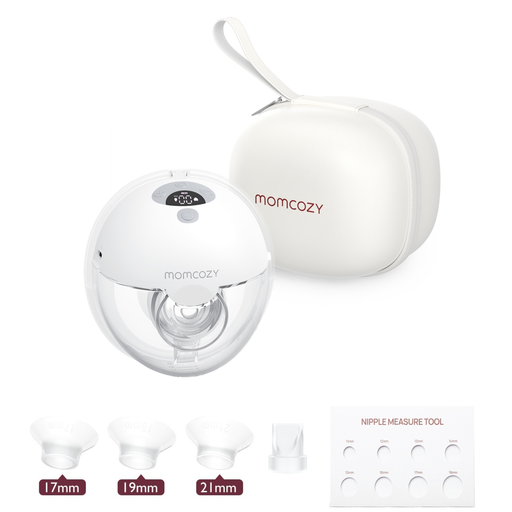
Why This Fits Their Persona: A single-pump format is suitable for mothers who are beginning to express, pumping occasionally or wanting to try a wearable design before choosing a double set.
It includes four stated flange sizes, three modes and nine suction levels, rather than relying on one fixed fit or intensity.
225 g stated weight, rechargeable USB operation and BPA-free food-grade materials.
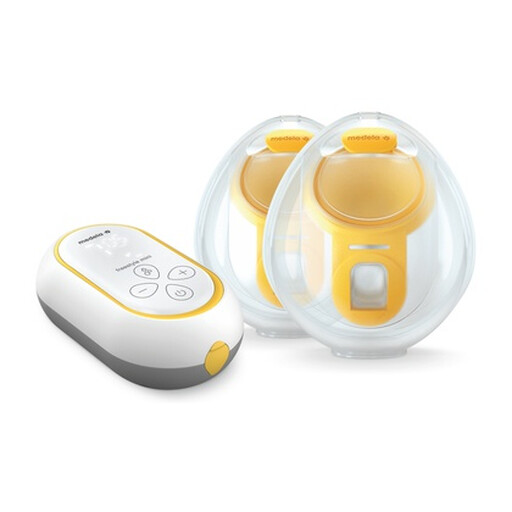
Why This Fits Their Persona: A double breast pump with separate motor and collection cups suits mothers who express regularly and value a compact set-up for home, work or travel.
Three insert sizes are listed, and the three main parts are dishwasher-safe according to the product information.
The built-in rechargeable battery is stated to provide up to two hours or eight sessions, and milk-contact parts are not made of BPA.
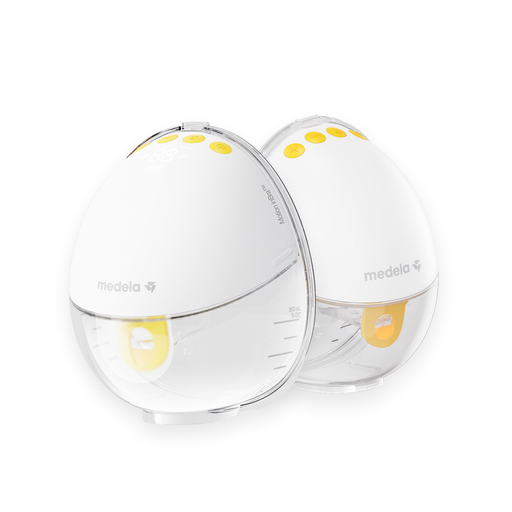
Why This Fits Their Persona: This double electric model is aimed at frequent expressers who prioritise multiple settings, a wide-angle shield and longer stated battery duration.
It lists nine suction levels, several insert sizes and three detachable cleaning parts, helping address fit and maintenance concerns.
The listing states operation below 45 dB and up to 2.5 hours or 10 sessions per charge.
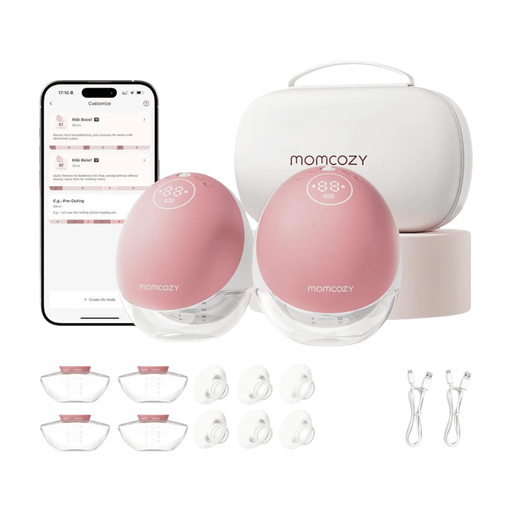
Why This Fits Their Persona: App control may appeal to working mums who want to adjust settings from a smartphone while expressing discreetly at home or in an office.
The package lists inserts for 17 mm, 19 mm and 21 mm nipples alongside 24 mm shields, rather than offering a single fixed fit.
Double pack, USB-C charging, storage case and up to 15 adjustable suction levels are listed.
We have compiled a complete, real-time list of products that fully satisfy these strict selection criteria and UK safety regulations.
It can be useful for expressing during breaks, particularly when the cups fit inside a nursing bra and the motor is quiet enough for your environment. Check workplace privacy, charging access, storage arrangements and local hygiene requirements before relying on it for every session.
Battery duration varies by model, suction setting and session length. The products above state between around six and ten sessions, or up to 2.5 hours, but these figures are not guarantees for every user. Charge the pump before commuting and consider carrying the correct cable.
There is no single lifespan for every component. Silicone valves, membranes and seals can wear faster with frequent use, repeated sterilisation or incorrect cleaning. Follow the manufacturer’s replacement guidance and change any part showing cracks, distortion, reduced suction or a poor seal.