What to check before buying
Set the browser and device test plan first, then choose an operating-system route and a display arrangement; size the remaining hardware for the local work you will run at the same time.
Compact Windows or Linux desktop
Choose when: You need local Windows or Linux tools in a small enclosure beside or beneath the standing desk.
Trade-off: Operating-system options, display connections and included peripherals depend on the exact configuration; Lenovo lists the monitor, keyboard and mouse as optional for its cited ThinkStation P3 Tiny Gen 2 configuration.
Larger Windows or Linux tower
Choose when: Web testing runs alongside demanding local work for which you need the expansion options offered by a particular tower.
Trade-off: Allow space for the case and confirm that the extra hardware serves your workload rather than assuming routine browser testing needs workstation-class graphics.
Mac desktop
Choose when: Safari testing on macOS is required; Apple Developer documents Safari on macOS and iOS.
Trade-off: A Mac does not replace required Windows-environment tests or testing on physical mobile devices.
| Concern | Buying checks | Who this matters to |
|---|
| Browser and device coverage |
List required browsers, operating systems and physical devices. Check that the desktop runs your local tools; plan real-device tests separately where needed. |
I need to catch problems across the browsers and devices my pages target, not just inspect a simulated phone screen. Around 42% of consumers put this coverage first. |
| Desk and display fit |
Check case placement, display connections, cable reach and peripheral inclusion against the complete workstation. The Health and Safety Executive advises assessing the whole setup. |
My screens and keyboard need usable positions when I stand, with space left for the computer and cables. For around 33% of consumers, that setup is the primary concern. |
| Concurrent local work |
List tools and virtual environments you will run together, then check the exact processor, installed memory, storage and expansion options. |
Browsers are only part of my workload; local services or virtual environments also need room to run. That capacity comes first for around 25% of consumers. |
Joybuy desktop choices
These desktops cover compact macOS, small-form-factor and tower setups. Choose among them by your required operating system, concurrent workload and available desk space; check each model’s display arrangement separately.
 No image available
Apple Mac mini (2026), M6, 24GB, 512GB SSD
Consider this macOS desktop if Safari on macOS is part of your test plan; plan Windows and physical-device testing separately where required.
The product name specifies an M6 with a 12-core CPU and 12-core GPU, 24GB RAM and a 512GB SSD. Confirm the selected configuration’s display support and which desk peripherals you will need.
Joybuy
 No image available
SOYO S5Air, Ryzen 5 7535HS, 16GB, 512GB SSD
Consider this mini PC where case space is limited and your required local tools suit the operating system supplied.
The product name specifies a Ryzen 5 7535HS, 16GB LPDDR5 memory and a 512GB NVMe SSD. Confirm the supplied Windows 11 Pro configuration, simultaneous display support and peripheral inclusion before planning a multi-screen desk.
Joybuy
 No image available
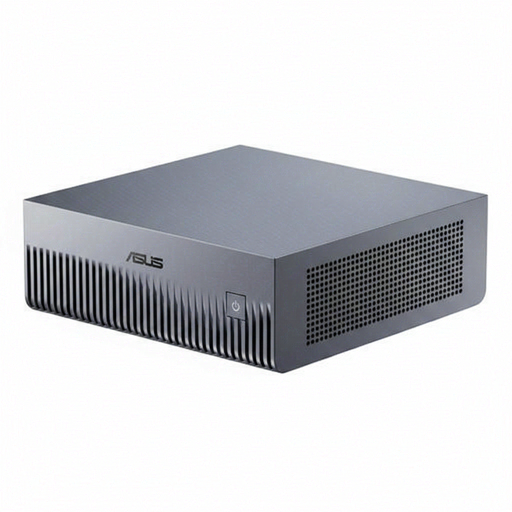
ASUS Ascent GX10, NVIDIA GB10, 128GB, 1TB SSD
Consider this specialised desktop only if your web-testing work also calls for its AI-development and Linux-based environment; check that your required browsers and tools run on NVIDIA DGX OS.
The product name specifies 128GB unified memory and a 1TB NVMe SSD. Check display compatibility, peripheral inclusion and the required power-source specification for your setup.
Joybuy
 No image available
HP M02-0005na OmniDesk, Ryzen 5 8500, 8GB, 1TB SSD
Consider this Windows desktop for a browser-testing setup after checking that its installed memory suits the local tools you intend to run together.
The product name specifies 8GB RAM, a 1TB SSD and Windows 11 Home. Check its dimensions and simultaneous display support against your desk and monitor plan.
Joybuy
 No image available
Stormforce Defiance, Ryzen 7 5700X, 32GB, 2TB SSD, RTX5070
Consider this tower if your Windows web-testing setup also involves substantial concurrent local work, rather than choosing its graphics hardware for browser testing alone.
The product name specifies 32GB RAM, a 2TB SSD, RTX5070 and Windows 11. The stated tower measures 42.2 × 32.8 × 53.3 cm and weighs 24kg, so check stable placement and cable reach; also confirm display support and peripheral inclusion.
Joybuy
Common questions
Is Chrome Device Mode enough for mobile testing?
No, not when your test plan requires behaviour on a physical mobile device. Chrome for Developers describes Device Mode as an approximation that does not run code on a mobile device; use actual devices for the journeys where that distinction matters.
Do I need a Mac desktop to test web pages?
A Mac is a route when Safari testing on macOS is in your agreed browser matrix. Apple Developer documents Safari on macOS and iOS, but a Mac desktop does not replace required Windows-environment or physical mobile-device tests.
Does a compact computer make a standing-desk setup suitable?
No; case size is only one part of the setup. The Health and Safety Executive says employers should assess the whole workstation for employees who use display screen equipment daily as part of normal work continuously for an hour or more, including equipment, furniture and working conditions.
Where should I position the screen and keyboard when standing?
The Health and Safety Executive advises placing the top of the screen at eye level, the screen about an arm’s length away and the keyboard just below elbow height. Arrange the computer and cables so they do not prevent that positioning.
Is a workstation-class desktop necessary for browser testing?
Not automatically. Check your concurrent local tools, virtual environments, storage and display needs before choosing workstation capacity; HP positions its Z desktop range for heavier technical and creative workloads, which are not part of every web-testing task.


