Discussion-led club hosts
You mainly lead seated discussions and want members to see and hear you without a complicated camera setup.


For a seated, face-to-camera club meeting, start with a 1080p webcam that fits your lighting, framing and privacy needs. If you regularly show objects on your desk or move while presenting, look for a suitable presentation or framing feature; consider 4K when extra image detail matters, but test your audio setup separately.
You mainly lead seated discussions and want members to see and hear you without a complicated camera setup.
You need to shift attention between your face and notes, crafts, documents or small objects during a session.
You want control over how much of your room appears on calls and a physical way to block the lens between meetings.
Start with how you run the meeting: a seated discussion, a desk demonstration and a presentation involving movement place different demands on framing.
| Concern | What to check | Who this matters to |
|---|---|---|
| Face-and-voice clarity | Check the stated video mode and light correction, then decide whether a built-in mic or separate audio setup suits your room. | If I lead seated discussions, members need to follow what I say and see my expressions without distraction. Around 33% of consumers put routine face-and-voice clarity first. |
| Desk presentation and movement | Check for a desk-presentation mode or auto-framing, including any companion software needed to use it. | When I show notes or crafts, a fixed view of my face will not show members the item I am discussing. For around 25% of consumers, presenting materials or moving is the primary need. |
| Room visibility and privacy | Check the field of view at your intended camera position and whether there is a physical shutter or cover. | I want members to see me without exposing more of my home office than intended, and I want to block the lens afterwards. Roughly 25% of consumers prioritise privacy and controlled framing. |
| Image detail and difficult light | Compare the resolution and frame-rate modes you would actually use, alongside the available image controls. | If I need to show fine detail or sit near a bright window, I may want more control over the image. About 17% of consumers place detail or challenging lighting first. |
More pixels will not correct an unsuitable camera position or room echo. Logitech specifies different maximum modes for MX Brio: 4K at 30 fps and 1080p at 60 fps.
Choose the video mode for what you actually show on calls, and check your lighting and audio before making resolution the deciding factor.
A wider frame can include a guest or display board, but it can also reveal more of a private home office. AnkerWork lists selectable fields of view for PowerConf C200 through its software.
Check the picture from your actual monitor position before the meeting, and look for a physical lens cover if privacy between calls matters.
Manufacturer-stated noise reduction does not establish how members will hear you in your particular room.
Run a short test call where you plan to sit. If your voice is difficult to follow, consider a headset or separate microphone rather than changing the video specification alone.
A club recording may include members' images, voices or material visible in their surroundings. The Information Commissioner's Office advises organisations sharing information to share only what is necessary and send it securely to the intended recipient.
Decide what needs to be recorded and who will receive it, and check current ICO guidance for the club's circumstances before sharing.
Its UK webcam range includes straightforward meeting models, options for desk presentation and a 4K model with more image controls.
PowerConf C200 is a meeting-focused option for hosts who want to change the camera view and cover the lens between calls.
Its Kiyo X is a streaming-oriented Full HD webcam that may also suit a stationary club host.
These webcams offer different starting points for home-office club calls, from an HD model with a focus switch to models listing 2K or 4K capture. Check each camera's framing and computer fit against the way you host.
 No image available
Consider this model if you want to adjust the meeting frame remotely or show detailed material. Its title specifies 5x digital zoom and a remote control; check whether its video mode and framing suit your meeting platform.
 No image available
This is an option to assess if your meeting needs a wider camera view. The title lists a 98° adjustable field of view, fixed focus and a four-microphone array; check the frame from your seat so it does not show more of the room than intended.
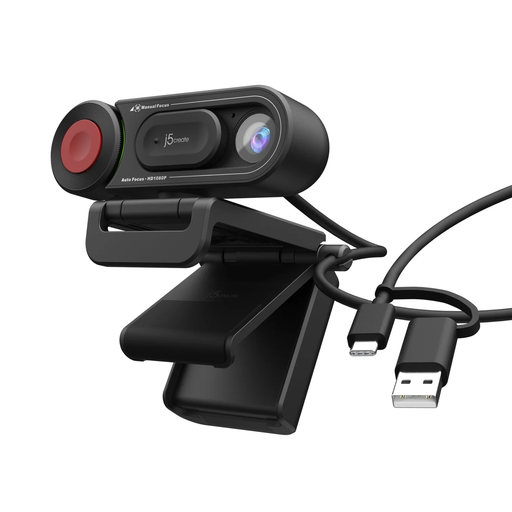 No image available
For a fixed, face-to-camera discussion, consider whether this HD webcam provides the detail you need. Its title specifies an auto/manual focus switch; check your intended mounting position and any privacy controls you require.
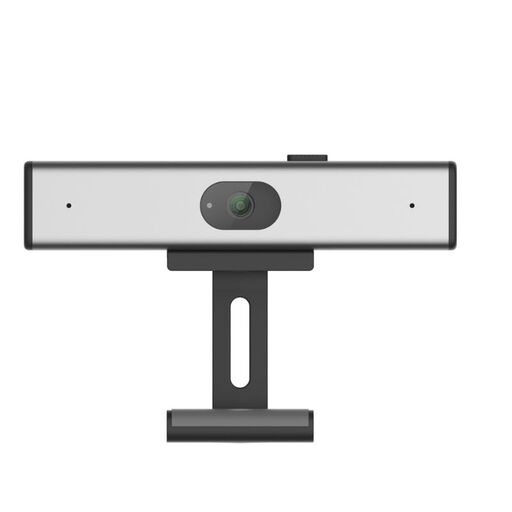 No image available
This clip-on option may suit a desktop or laptop meeting position when 2K QHD capture is a priority. Its title also lists a noise-reduction microphone; confirm computer and meeting-platform compatibility, along with the framing and privacy controls you need.
A 1080p webcam can suit a standard face-to-camera discussion if its framing, lighting and audio setup work in your room. Consider more image detail when you need to crop the view or show small physical materials.
Choose a wider view when you need to include another person, a display board or a larger desk area. For a host-only view, check how much background appears; AnkerWork specifies software-selectable 65°, 78° and 95° views for PowerConf C200.
Some advanced features need companion software even when basic video calling does not. Logitech identifies Logi Tune for Brio 500 auto-framing, while AnkerWork uses its software to change PowerConf C200's field of view; check what your computer permits before choosing either feature.
Close the physical shutter or cover if your chosen model has one. Logitech specifies an integrated shutter for Brio 100, and AnkerWork specifies a built-in cover for PowerConf C200.
Decide what needs to be captured and who should receive the recording before sharing it. The Information Commissioner's Office advises organisations to share only necessary information securely with the intended recipient; check current ICO guidance for the club's circumstances.