For a seated learner who only needs to appear on screen, start with a webcam that offers straightforward framing and a physical privacy cover. If the class needs to show a board, written work or several people, look for framing that suits the actual camera position; test the meeting platform, classroom audio and what else appears in the shot before choosing.
Who needs which view?
Facilitator moving around the classroom
If you stand, gesture or move between a desk and board, check whether the camera can keep the intended teaching area in view and stay securely positioned. Adjustable framing and focus may matter more than a fixed face-only view.
Small-group classroom participant
If several speakers need to appear together, check the field of view from the planned camera position. A wider setting may include the group, but it can also show unrelated people or teaching materials.
Seated individual learner
If you stay near the computer and only need to show your face, a fixed view may be sufficient. Logitech lists its C920s as a 1080p/30 fps webcam with a 78° field of view and privacy shutter; those specifications do not establish how it will look or sound in your classroom.
What matters when choosing?
Decide what the class needs to see, then check whether speech, written materials and the classroom computer change that choice. Each percentage below refers to consumers who would put that concern first when choosing one webcam for this classroom use.
| Concern | What to check | Who this matters to |
|---|
| Framing the teaching area |
Check the field-of-view settings and the picture from the planned camera position. Find out whether changing the view needs companion software. |
If I need classmates to see a speaker, board or small group, the frame has to include them without showing unrelated people. Around 36% of consumers would put framing first. |
| Understanding speech |
Test a call from normal speaking positions with typical room noise. Check whether a separate audio device is needed for distant speakers. |
When practising spoken language, I need the other side to hear me from where I will actually sit or stand. Clear speech would be the main concern for around 27% of consumers. |
| Showing written material |
Check focus behaviour and whether text is legible at the intended camera distance on the actual meeting platform. |
If I show handwriting or flashcards, viewers need to make out the detail, not just see my face. Around 19% of consumers would prioritise showing materials clearly. |
| Simple, private setup |
Check the computer connection, platform compatibility and any permissions needed for camera software. Consider a physical lens cover between sessions. |
On a shared classroom computer, I want to connect the camera without relying on settings I cannot change and cover the lens when it is idle. Setup and privacy would come first for around 18% of consumers. |
Mistakes to avoid
-
Choosing the widest view without checking the frame
A wide shot can include a board or group, but also unrelated people and classroom materials. The intended speaker may occupy less of the picture.
Test a call with the camera in its planned position. If the view will alternate between one person and a group, check that you can change the framing and control any automatic reframing.
-
Expecting built-in microphones to cover the whole room
Microphone features do not establish how clearly distant speakers will be heard. Logitech states a range of up to 1.2 m for the Brio 4K microphones.
Test the normal speaking positions with typical classroom noise before relying on webcam audio.
A separate microphone or room-audio device may be needed when people speak from different parts of the classroom.
-
Choosing capture features the classroom computer cannot use
Higher-resolution capture does not mean a video-call platform will transmit at that resolution. Some framing controls also depend on companion software; AnkerWork specifies its software for changing the PowerConf C200 viewing angle.
Check the computer connection, operating system, meeting platform and software permissions before choosing a model for those features.
-
Assuming a lens cover settles classroom privacy
A shutter covers the lens between uses; it does not address what happens when identifiable people are captured. The Department for Education says schools must handle identifiable images as personal data in line with data-protection legislation.
Use the cover when the camera is idle. For school use, follow the school's process for deciding who may appear, how people are informed and how any images are handled.
Relevant brands to consider
Logitech
Its C920s and Brio models offer different approaches to an individual view and more flexible classroom framing.
- Logitech lists the C920s with a fixed 78° view, 1080p/30 fps capture and a privacy shutter. Its Brio 4K specifications include selectable 65°/78°/90° views, autofocus and a tripod thread.
- Check the particular model's connection and software requirements on the classroom computer; these specifications are not a comparison of picture quality in your room.
AnkerWork
The PowerConf C200 is relevant when one camera needs to switch between a close speaker view and a wider classroom view.
- AnkerWork lists selectable 65°/78°/95° fields of view, autofocus and a built-in privacy cover for the C200.
- Changing its viewing angle requires AnkerWork software, so confirm installation is allowed on a managed classroom computer.
OBSBOT
The Meet 4K is an option to investigate when the people in a small-group shot may change during a lesson.
- OBSBOT describes a Group Mode that adjusts framing as people enter or leave the image, alongside 4K/30 fps and 1080p/60 fps capture modes.
- Test the resulting composition before class, particularly where people or materials outside the lesson must stay off camera.
Joybuy webcam options
These webcams cover individual participation and options for showing more of a classroom or teaching material. Match the camera's stated features to the view you need, then check the computer connection and audio in the room where it will be used.
 No image available
j5create JVCU435 USB 4K Webcam with 5x Digital Zoom and Remote Control, Black and Silver
Consider this model if you expect to adjust the shot while presenting, rather than keeping one fixed view.
Its name specifies 4K capture, 5x digital zoom and a remote control. Check the required computer connection, the view from your mounting position and whether the class platform can use the capture mode you want.
Test speech pickup from the intended positions; a camera lens cover does not replace the classroom's arrangements for identifiable people in the shot.
View on Joybuy
 No image available
Targus 2K Webcam with Auto Focus
Consider this for a seated participant, then check whether its view includes everyone who needs to appear.
The product name specifies autofocus. Check the exact video resolution against the detailed technical listing before relying on the 2K wording, and test focus and microphone pickup in the intended position.
View on Joybuy
 No image available
EMEET All-in-One 4K Webcam with Sony Sensor, Fixed Focus and 98° Adjustable View
Consider its wider view if a small group needs to appear together, provided the frame excludes people and materials that should stay off camera.
The product name specifies a 98° adjustable field of view, fixed focus, a four-microphone array and dual AI speakers. Check whether the planned camera distance keeps faces or written work clear, and test audio in the actual room.
Confirm the computer connection, meeting-platform compatibility and privacy controls before use.
View on Joybuy
 No image available
j5create JVU250 HD Webcam with Auto and Manual Focus Switch, Black
Consider this for basic individual participation if you can position the camera to show the speaker clearly.
Its name specifies a switch between automatic and manual focus. Check the video resolution and field of view against the needs of your class, particularly if you must show a board or group; test audio at the intended speaking distance.
View on Joybuy
 No image available
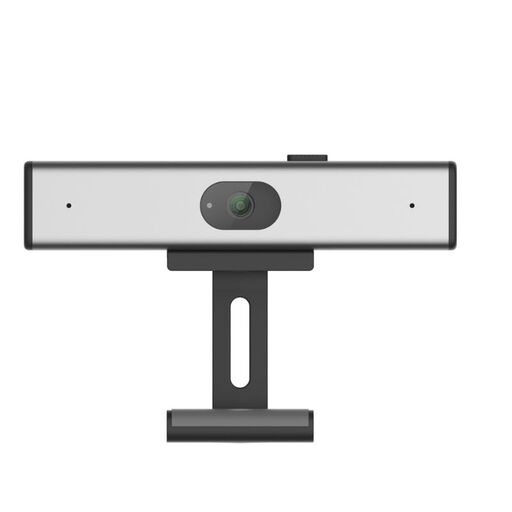
Philips SPL6308S/00 2K QHD Clip-on PC Webcam, EU Version, Silver
Consider this clip-on model for a computer-based class, after checking what its frame will show from the screen position.
The product name specifies 2K QHD and describes its microphone as noise-reducing. Check the connection, focus behaviour and meeting-platform compatibility, and test speech pickup rather than assuming the microphone will cover the classroom.
View on Joybuy
Common questions
Do I need a 4K webcam for a classroom language class?
No, not if you only need to show a seated speaker and a lower-resolution view works on the class platform. Logitech lists the C920s at 1080p/30 fps; consider a higher-resolution capture mode when you need to show finer detail, but check what the meeting platform will actually transmit.
What field of view works for one learner or a small group?
Choose a view that includes the intended speakers from the camera's planned position without unnecessarily showing the rest of the room. AnkerWork lists 65°/78°/95° settings for the PowerConf C200, while Logitech lists 65°/78°/90° for Brio 4K; test the exact shot before class, especially when other people may be nearby.
Will a webcam microphone pick up a whole classroom?
Do not assume it will capture distant speakers clearly. Logitech states a microphone range of up to 1.2 m for Brio 4K; test every normal speaking position with typical room noise and consider separate audio equipment if several people need to be heard.
What if pupils or classmates appear in the video?
For school use, follow the school's process before capturing or sharing identifiable people. The Department for Education says identifiable images are personal data that schools must handle in line with data-protection legislation; check who will appear, what will be recorded or shared and how the school will inform those involved.


