Laptop-camera upgraders at a fixed desk
If your built-in camera is inadequate for routine meetings, focus on a webcam that works with your calling platform and sits securely at a useful height on your screen.


For a quiet desk, start with a USB webcam whose stated operating-system and meeting-platform support matches your setup, then check its mount, framing and privacy controls. If calls happen in a noisy or shared room, consider using the webcam for video with a separate headset or microphone. If your employer requires Microsoft Teams certification, check that status for the exact model.
If your built-in camera is inadequate for routine meetings, focus on a webcam that works with your calling platform and sits securely at a useful height on your screen.
If you sit against a window, work in a dim room or show objects on camera, check the exact model’s lighting, focus and framing controls rather than choosing by resolution alone.
If background voices, echo or confidential conversations affect your calls, decide whether a webcam microphone suits the room or whether you need to select a separate audio device.
Match the webcam to your meeting environment and computer first, then decide whether its microphone can handle your usual calls.
| Concern | What to check | Who this matters to |
|---|---|---|
| Usable video | Check the stated video mode, lighting and focus controls, and whether the mount gives you the framing you need. An advertised 4K mode does not establish what your meeting app will transmit. | If I work in changing light or need to show something on camera, I want my framing and focus to suit the task. Around 42% of consumers would put usable video first. |
| Clear speech | Check whether the microphone works well in your usual room and whether your meeting app lets you select a separate headset or microphone. | In a shared or echo-prone room, I need colleagues to hear my voice without repeated interruptions. For around 33% of consumers, reliable audio would be the primary concern. |
| Setup and privacy | Confirm operating-system and meeting-platform support, screen-mount fit and any physical lens cover. Check camera and microphone permissions before a call. | If I use a managed work computer, I need the camera to be permitted and ready when a meeting starts. Straightforward setup and privacy controls would come first for around 25% of consumers. |
A higher advertised capture mode does not resolve poor lighting or unsuitable framing, and a meeting app may not use the camera’s highest mode.
Check the lighting, focus and field-of-view controls you would actually use. Confirm whether adjustments require the maker’s software.
Microsoft Teams offers noise suppression, but microphone placement, other voices and speaker volume can still affect a call.
Test the microphone in your usual meeting room. If audio remains troublesome, select a separate headset or microphone in Teams while keeping the webcam for video.
Windows and macOS can restrict app access to a connected camera or microphone.
Allow the relevant app to use both devices, select the intended camera and microphone in Teams, and make a test call before relying on the setup for work.
A webcam’s technical compatibility does not establish that personal equipment is approved for confidential work.
Check your employer’s equipment and meeting policies. The Information Commissioner’s Office advises using approved technology when handling personal data while working from home.
Its webcam range includes basic meeting models and business-oriented options; check features and certification by model.
Its work-focused webcam models include options for adjustable framing and higher advertised capture modes.
Kiyo X is a creator-oriented option that may interest workers who want to adjust their image settings.
These webcams combine a camera and microphone for work-meeting setups. Consider the EMEET model if you need a wider adjustable frame and integrated speakers, or the Philips model if you want a clip-on camera for a desk screen; check platform compatibility and audio in your own setup.
 No image available
Consider this USB model when your meeting setup calls for integrated video, microphones and speakers with a wider adjustable view.
The product name specifies a 4-microphone array, fixed focus and a 98° adjustable field of view. Check whether fixed focus suits your position, and confirm Microsoft Teams operation with your computer before buying.
 No image available
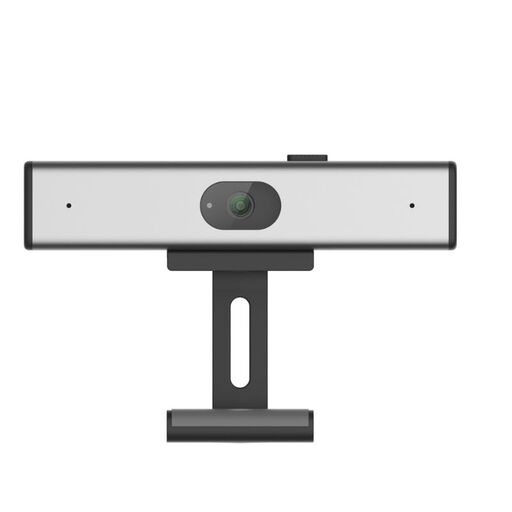
Consider this clip-on model for a laptop or monitor meeting position when you want a webcam with an integrated microphone.
The product name states 2K QHD video and a noise-reduction microphone. Confirm the connection, operating-system support and Microsoft Teams compatibility for your device, then test the microphone in your usual room.
It can if the exact model works with your computer and Teams can access it. Check the model’s stated compatibility and any workplace requirements, then select the camera in Teams and make a test call. Microsoft Teams certification is a separate model-specific consideration when your employer requires it.
Start with the connection and the camera and microphone permissions for your meeting app. Microsoft and Apple provide per-app access controls in Windows and macOS respectively; once access is allowed, select the intended devices in Teams and test them.
It may suit one person at a quiet desk, but test it where you normally take calls. If other voices, echo or confidential conversations are recurring concerns, use Teams’ separate microphone selection to try a headset or another microphone.
It is useful if you want a visible way to block the lens between calls. It does not replace operating-system camera permissions or your employer’s security policy, so check those controls as part of the setup too.
Confirm that your employer permits the equipment and meeting software for the information you handle. The Information Commissioner’s Office advises home workers to use approved technology for handling personal data; position your camera and screen with the confidentiality of your calls in mind.