For a seated participant joining a local history talk, a 1080p webcam is a sensible starting point: prioritise a frame that keeps the room out of view, suitable light correction and a physical shutter if you want one. Adjustable framing is more useful when you also show books or maps; 4K capture is worth considering for cropping or recording, but a meeting service may transmit at a lower resolution.
Who needs which features?
Regular seated attendee
If you join discussions from the same desk position, concentrate on a clear face-and-shoulders frame and a connection that suits your computer. A 1080p webcam is a sensible starting point without making recording features the focus of your choice.
Participant in uneven light
A window behind your desk or changing daylight makes lighting controls worth examining alongside resolution. Check how the camera preview looks at the time you normally join the talk.
Privacy-conscious contributor
If you want less of your home office on screen, compare framing options and physical lens covers. An adjustable view can also help when you occasionally show a book, map or photograph.
What matters when choosing?
Start with your usual seated view and computer connection, then decide whether difficult lighting, room privacy or showing historical material changes what you need.
| Concern |
What to check |
Who this matters to |
| Clear participation |
Check the video resolution, the clip’s fit, your USB connection and support for the meeting service. |
If I stay at one desk, I want to join the discussion with a clear face-and-shoulders view and little setup. Around 36% of consumers put straightforward participation first. |
| Uneven lighting |
Look for model-specific light correction and check the preview under your usual room lighting. |
When daylight changes or a window is behind me, I need my face to remain visible. Keeping that view clear is the main concern for around 29% of consumers. |
| Privacy and framing |
Check whether the field of view is fixed or adjustable, whether adjustment needs software, and whether the model has a physical shutter. |
If the camera shows too much of my room, I want a closer frame but may still need to show an item occasionally. Around 21% of consumers make that control their priority. |
| Showing fine detail |
Check capture resolution, focus options and the meeting service’s video requirements if you plan to show printed material. |
To discuss a small photograph or a line on a map, I may need room to crop or make a recording outside the live call. That extra detail comes first for around 14% of consumers. |
Choices to think through
-
Choosing 4K for the live call alone
A 4K camera does not mean everyone in a group meeting will receive a 4K picture. Zoom Support says group-meeting HD activates 720p video in the active-speaker layout, while 1080p has further account and technical requirements.
Consider higher-resolution capture when cropping or recording matters beyond the talk; otherwise, give framing, lighting and compatibility equal attention.
-
Choosing the widest view by default
A wider field of view includes more of the home office. PCMag UK advises considering a narrower view when you want to show mainly your face.
Check the view from your normal seat, and widen it only when you need to show material or include someone else.
-
Relying on microphone claims to fix room noise
Microphone features described by webcam makers do not guarantee that other participants will hear you clearly in every room.
Test your audio before the talk. If background noise is frequent, compare the webcam microphone with headphones or a separate microphone.
-
Treating a lens shutter as the whole privacy check
A shutter covers the lens between calls, but it does not control what others can see or overhear while you participate.
Check camera permissions and the visible background before joining. For work calls involving personal data, follow your organisation’s rules; the Information Commissioner's Office advises using approved technology to handle personal data.
Brands to consider
Logitech
Logitech offers several webcam configurations relevant to a seated call, changing light or higher-resolution capture.
- According to Logitech’s specifications, the C920s has 1080p video at 30fps, a fixed 78° field of view and a privacy shutter. The Brio 500 offers automatic light correction and software-enabled auto-framing.
- The Brio 4K offers selectable framing and 4K capture, but the meeting service may transmit at a lower resolution. Check software requirements before relying on auto-framing.
AnkerWork
The PowerConf C200 is relevant if you want to change how much of your desk and room appears on screen.
- AnkerWork specifies 2K capture, a built-in privacy cover and 65°, 78° or 95° views selectable through its software.
- Check that AnkerWork software works on your computer before relying on those view settings. A live meeting may not transmit the camera’s native 2K picture.
HP
The HP 625 FHD Webcam is another model to examine if adjustable framing and a physical privacy cover matter to you.
- The Microsoft Teams enabled devices listing describes 1080p video, selectable 66°, 78° and 92° views, and a physical privacy cover.
- Before relying on its software controls or Windows Hello capability, check support on your own computer and operating system.
Webcams for this setup
These Joybuy webcams offer different capture resolutions and features to consider for a home-office talk. Check each model’s framing and connection against your desk setup rather than assuming a higher resolution will improve the live meeting picture.
 No image available
j5create JVCU435 USB 4K Webcam with Remote Control
Consider this model if you want to adjust the image while discussing an item on your desk.
Its name specifies 4K capture and a remote control for 5x digital zoom. Check the field of view from your usual seat; digital zoom does not establish how much of the room the camera initially captures.
Joybuy
 No image available
EMEET All-in-One 4K Webcam with Sony Sensor
Consider this all-in-one camera if you also want the listed microphone and speaker setup for calls.
The product name specifies a four-microphone array, dual speakers, fixed focus and an adjustable 98° field of view. Check how far the view can be narrowed before choosing it for a private home-office frame.
Joybuy
 No image available
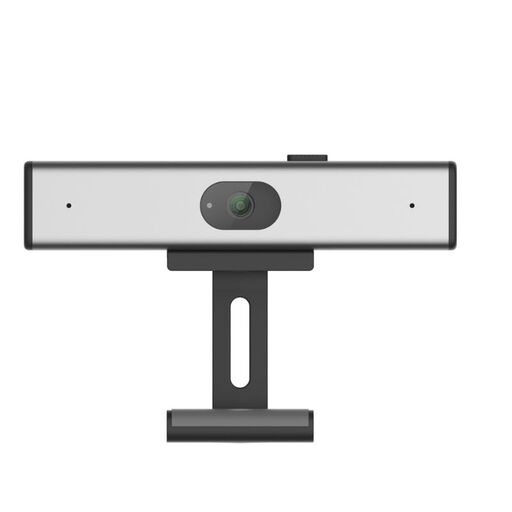
Philips SPL6308S/00 2K QHD Clip-on PC Webcam, EU Version
This clip-on model is worth examining if your monitor or laptop needs a separate camera for calls.
The product name specifies 2K QHD capture and a microphone described as having noise reduction. Confirm the connection and meeting-software compatibility for your computer, as well as the view you would get from your desk.
Joybuy
 No image available
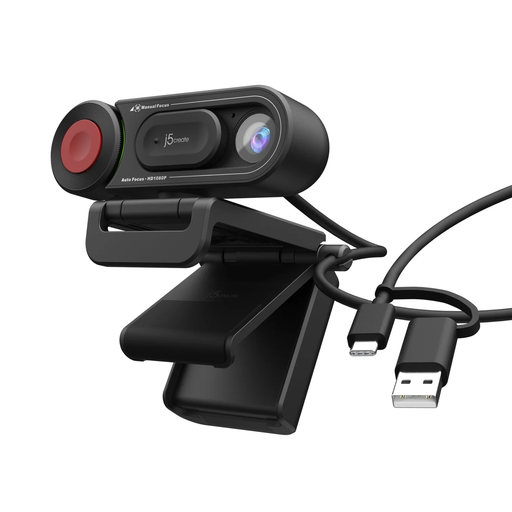
j5create JVU250 HD Webcam with Auto and Manual Focus Switch
Consider this model if switching between automatic and manual focus matters more to you than higher-resolution capture.
The listed video resolution is 720p, below the 1080p starting point discussed for a seated talk. Check whether its framing and focus controls suit the way you plan to appear or show materials.
Joybuy
Common questions
Do I need a 4K webcam just to join a local history talk?
Usually not: 1080p is a sensible starting point for a seated video call. Consider 4K if you also need room to crop or want higher-resolution recordings; Zoom Support says group-meeting HD activates 720p video in the active-speaker layout, and 1080p has further account and technical requirements.
What field of view suits one person at a desk?
A view around 65°–78° is a useful starting point if you want mainly your face and shoulders on screen. A wider or adjustable view can help when you show a book or map, but check how much of the room it reveals from your usual seat.
Will a USB webcam work with my meeting software?
A USB plug-in webcam is among the camera options listed in Zoom Support’s system requirements, but check your computer’s USB port, operating system and the particular app or browser you will use. Check the requirements of the actual service hosting the talk before buying.
Is a personal webcam suitable for a work-related talk from home?
Use it only if it meets your organisation’s requirements for the discussion. If personal data is involved, the Information Commissioner's Office advises home workers to use approved technology; also consider who can see your screen or overhear the call.


