For study-group calls from a noisy office, start with a webcam that specifies microphone noise reduction, then use the noise-suppression controls in your meeting app; neither step guarantees that nearby voices will disappear. Choose a narrow or adjustable view if you usually appear alone, and consider 4K when you regularly need more image detail for showing notes or changing the frame. Check the privacy cover, connection and software requirements for the model you choose.
Who needs which webcam features?
Study caller surrounded by office noise
If colleagues, keyboards or doors compete with your voice, look at the webcam’s stated microphone processing and the noise-suppression settings in your usual call app. Logitech and AnkerWork describe noise-reducing microphones on particular models; Microsoft and Zoom also document app-level controls.
Solo caller who sometimes shares notes
A tighter view can keep the call focused on you, while an adjustable view or desk-sharing mode gives you another option for showing written work. Check how you change the framing and whether autofocus suits the distance at which you hold materials.
Office caller managing light and privacy
If your desk is dim or backlit, compare the models’ stated light-correction features and preview the image in your room. A physical lens cover is worth checking if the webcam stays connected between calls; also inspect what appears behind you at your chosen field of view.
What matters when choosing a webcam?
For a noisy-office study call, decide how you will be heard before weighing framing, note sharing and the lighting around your desk.
| Concern |
What to check |
Who this matters to |
| Speech clarity |
Look for a stated noise-reducing microphone feature and noise suppression in your usual call app. Make a test call with office noise present. |
If I have to speak while colleagues are nearby, I need the group to follow my contributions without repeated interruptions; roughly 50% of consumers put speech clarity first. |
| Framing and notes |
Check whether the field of view can be narrowed or widened and whether focus suits how you show notes. |
For a solo call, I want a view that keeps the shared office out of shot but can accommodate written work when needed; around 30% of consumers prioritise framing and note sharing. |
| Lighting and lens privacy |
Check the stated light-correction features and whether the model has a physical privacy cover. |
At a dim or backlit desk, I want my face to remain visible and the lens blocked between sessions; roughly 20% of consumers place lighting and lens privacy first. |
Common buying mistakes
-
Choosing 4K without checking the audio setup
Resolution changes the picture, not whether your study group can understand you over office noise. Microsoft Teams and Zoom provide noise-suppression controls alongside any processing stated for the webcam microphone.
Check the microphone feature, enable the relevant setting in your usual app and make a test call from the place where you study.
-
Leaving a wide view selected for a solo call
A wider frame can include colleagues, screens or other parts of a shared office that you did not mean to show.
Preview the background and use a narrower view for routine calls; widen it deliberately when you need to show materials.
-
Assuming camera controls work without software setup
Some adjustable framing features depend on a vendor utility, while call-app noise suppression depends on the app and its settings. AnkerWork, for example, specifies software control for the PowerConf C200’s field of view.
Confirm operating-system and software requirements for the controls you plan to use, then check them before an important session.
-
Treating a conformity mark as the only purchase check
GOV.UK’s guidance for Great Britain recognises CE marking alongside or in place of UKCA marking where the relevant product-regulation requirements are met. A mark does not tell you whether a webcam suits your computer or study-call setup.
For a purchase in England, Scotland or Wales, check the model identity, seller, stated compatibility and applicable support terms as well as its marking.
Webcam brands to consider
Logitech
Its Brio models cover different combinations of video resolution, framing and desk-sharing controls relevant to study calls.
- Logitech specifies noise-reducing microphones on Brio 500, selectable 65°/78°/90° framing and active noise cancellation on Brio 4K, and Show Mode with dual beamforming noise-reducing microphones on MX Brio.
- Those microphone descriptions are manufacturer specifications, not a promise that nearby office conversations will be removed. Check the controls and connections of the particular Brio model you are considering.
AnkerWork
The PowerConf C200 is a 2K option for consumers weighing adjustable framing and lens privacy alongside microphone features.
- AnkerWork specifies a privacy cover, autofocus, dual microphones with AI noise cancellation and 65°/78°/95° field-of-view settings for the PowerConf C200.
- Changing its field of view requires AnkerWork software. Its stated microphone processing should not be taken as a guarantee against nearby speech.
OBSBOT
The Meet 2 is a compact 4K route for consumers interested in automatic framing and focus.
- OBSBOT’s product material specifies 4K at 30 fps, 1080p at 60 fps, autofocus, AI auto-framing and dual microphones with noise reduction for Meet 2.
- OBSBOT’s own store page describes shipping from the US. Check delivery and support arrangements for your location, and test the stated audio processing in your calling environment.
Joybuy webcams for study calls
These Joybuy webcams offer two video-resolution routes for study calls and both have a stated microphone noise-reduction feature. Compare their framing and focus details against how you usually call and whether you show notes.
 No image available
EMEET All-in-One 4K Webcam with Sony Sensor, 4-Mic Array and 98° Adjustable View
Consider this model if you want a wider view for showing materials as well as a stated noise-reduction feature for calls.
Its name specifies 4K video, a four-microphone array, fixed focus, a 98° adjustable field of view and USB connection. Preview how much of the office appears in frame, check the available adjustment settings and make sure fixed focus suits the distance at which you show notes. Test the microphone with your call app’s noise suppression rather than assuming nearby voices will disappear.
Joybuy
 No image available
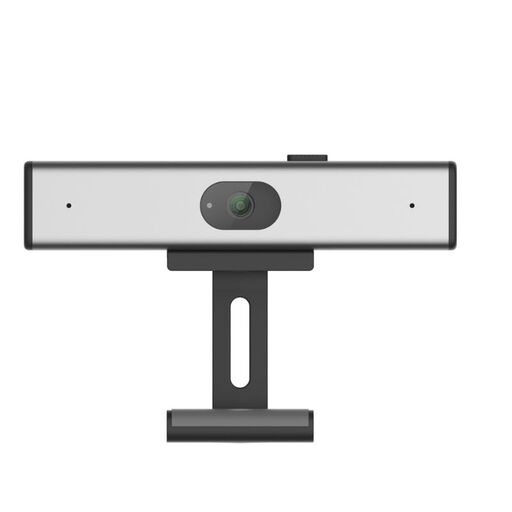
Philips SPL6308S/00 2K QHD Webcam, EU Version, Silver
Consider this clip-on desktop or laptop webcam if your study group mainly needs face-to-face calls rather than a 4K view.
The product name specifies 2K QHD video and a noise-reduction microphone. Check its field of view, focus, connection and compatibility with your usual call setup before ordering. Treat the microphone wording as a product claim and test it with app-level noise suppression in your office.
Joybuy
Frequently asked questions
Will a noise-reducing webcam microphone handle a noisy office on its own?
No webcam microphone feature guarantees that nearby conversations will disappear. Use the microphone’s stated processing alongside the noise-suppression controls documented by Microsoft Teams or Zoom, and make a test call. If nearby speech remains the main problem, compare a separate close-mic headset.
Do I need a 4K webcam for study-group calls?
Choose 4K if you regularly need more image detail for showing notes or adjusting your frame; resolution alone will not improve noisy-office audio. For face-to-face calls, a 1080p or 2K model with suitable microphone features and framing may meet your needs.
What should I check before joining a study call from the office?
Preview the frame and background, select the intended microphone in your call app and make a short test call with noise suppression enabled. If the room is particularly loud, review the app’s suppression options; Zoom notes that a loud office may call for a higher setting.
Must a webcam bought for Great Britain have UKCA rather than CE marking?
Not necessarily: GOV.UK guidance says Great Britain continues to recognise CE marking alongside or in place of UKCA marking where the relevant product-regulation requirements are met. That guidance covers England, Scotland and Wales; Northern Ireland has different processes, so do not apply the same conclusion there without checking its applicable guidance.


