What matters when buying?
Decide what the instructor needs to see, then check how the webcam connects and behaves in the training service. Add wider framing or presentation features only for activities that need them.
| Concern |
What to check |
Who this matters to |
| Face and voice clarity |
Consider 1080p for a routine personal view; check lighting support and test the microphone in your room. |
If I am answering questions on camera, I want the instructor to see my face and hear me without repeated adjustments. Around 31% of consumers put dependable face and voice clarity first. |
| Setup and platform use |
Confirm the connection fits your computer, whether you can install any required software, and how to select the camera in the meeting service. |
When a session starts promptly, I need the camera to be ready in the service I actually use. For around 23% of consumers, straightforward setup and operation are the primary concern. |
| Materials and movement |
Look at framing and focus controls if you show objects or move; check whether desk-view or auto-framing features need software. |
If I demonstrate a task or hold up notes, I need those actions to remain visible rather than just my seated face. Showing materials or movement comes first for around 23% of consumers. |
| Privacy in shared spaces |
Check for a physical lens cover, frame out sensitive surroundings and review the meeting service’s privacy controls. |
In a shared room, I want control over what others can see before and after I speak. Around 23% of consumers make privacy their primary purchasing concern. |
Webcams for training on Joybuy
These webcams cover personal video calls and, in some models, adjustable framing for practical activities. Compare each one with the view you need to show, your computer and your training service.
 No image available
j5create JVCU435 4K Webcam with 5x Digital Zoom Remote, Black and Silver
Consider this model if you need to adjust framing during a practical session. Its title specifies 4K capture, 5x digital zoom and a remote control; check that you have a battery for the remote, and test what video quality the training service delivers.
View on Joybuy
 No image available
Targus 2K Webcam with Auto Focus
Consider this for seated training if autofocus matters to you. Confirm the video resolution before buying: the product title says 2K, while its technical details specify Full HD 1080p.
View on Joybuy
 No image available
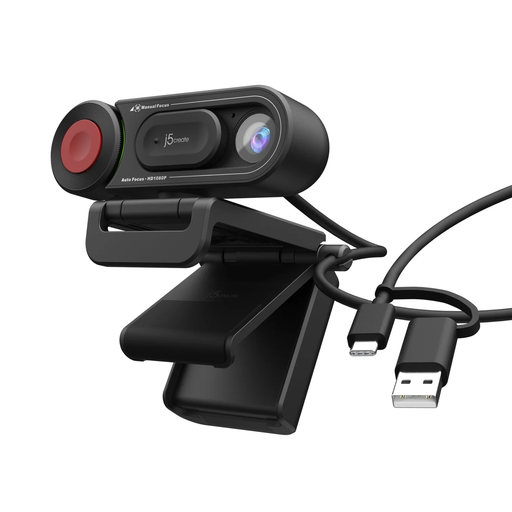
j5create JVU250 HD Webcam with Auto and Manual Focus Switch, Black
The auto and manual focus switch may matter if you occasionally change what the camera points at during a session. Check whether its video resolution meets your needs, and confirm whether it has a physical lens cover if that is important in your workspace.
View on Joybuy
 No image available
EMEET All-in-One 4K Webcam with Sony Sensor, 98° Adjustable View and Fixed Focus
An adjustable view may help when a training exercise involves more of the room or several participants. The title also specifies a four-microphone array and dual speakers. Its fixed focus makes close-up demonstrations worth checking before purchase; confirm the privacy mechanism if you need a physical lens cover.
View on Joybuy
 No image available
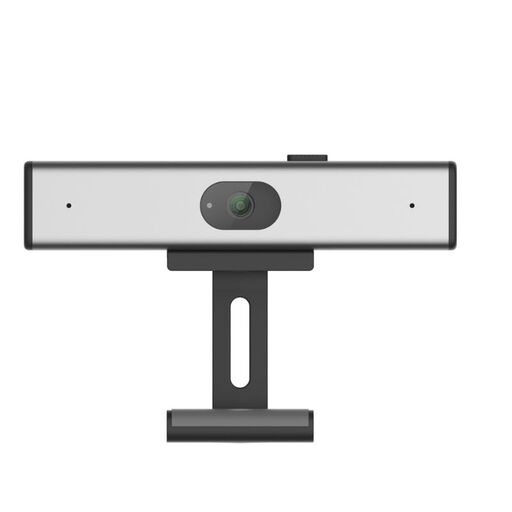
Philips SPL6308S/00 2K QHD PC Webcam, EU Version, Silver
This clip-on webcam is worth comparing if you want the stated 2K QHD capture for online learning. Its title also identifies a noise-reduction microphone. Check its connection and compatibility with your training computer, and whether a physical lens cover is available if you need one.
View on Joybuy
Training webcam questions
Do I need a 4K webcam for online training?
Usually not if you remain seated and need to show your face; a 1080p webcam is a simpler starting point. Consider 4K capture if you regularly crop the image or present small physical materials, but check the service and connection too. Zoom’s HD guidance places plan and other conditions on 1080p video, so camera resolution alone cannot tell you what other attendees will receive.
How do I test a webcam before training starts?
Test it in the same meeting service you will use for training, with the camera and microphone selected as active devices. Check operating-system and app permissions first. Microsoft provides a Teams Device Test, and Zoom lets you preview and test your selected camera before joining.
Should I choose a wide-angle webcam?
Choose a wider view if the instructor needs to see materials, movement or more than one person; a tighter view may suit seated attendance and show less of your surroundings. If both situations occur, check how the view changes: AnkerWork specifies 65°, 78° and 95° settings for its PowerConf C200 through its software.
Is a privacy shutter useful for training calls?
A physical shutter is useful if you want to block the lens when the webcam is not in use, particularly in a shared space. It does not control what is shown during a call. The National Cyber Security Centre advises checking your surroundings and the meeting’s privacy settings before joining.


