Solo reader hosts
If only the reader needs to appear on camera, a close-to-medium shot matters more than room-wide coverage. Consider whether the camera can frame a standing reader, keep a book in view and handle the room’s lighting.


Choose a personal webcam when one reader is the focus and the computer can sit close to them. If a reader, host and other contributors must be seen and heard from around the room, consider an all-in-one small-room conference camera instead. Check framing and microphone placement before prioritising resolution: a sharper picture will not fix distant speech or unsuitable meeting-app audio settings.
If only the reader needs to appear on camera, a close-to-medium shot matters more than room-wide coverage. Consider whether the camera can frame a standing reader, keep a book in view and handle the room’s lighting.
If a host or audience contributors will join the reading, plan for their voices as well as their faces. A front-of-room conference camera is one route when a single position needs to serve several people.
Microphone position and meeting-app settings deserve a rehearsal when changes in the reader’s voice matter. Zoom notes that its default audio filters can interfere in situations where the full captured sound range is wanted.
Choose it when: One reader is the intended subject and the computer can be positioned nearby.
Allow for: A separate audio arrangement if contributors speak away from the computer.
Choose it when: Several people need to be covered from one front-of-room camera and audio position.
Allow for: Power, placement and a wider shot that may make a solo reader appear smaller.
| Concern | What to check | Who this matters to |
|---|---|---|
| Room coverage | Preview the field of view from the planned camera position; check whether every intended contributor stays in frame. | If several people may take part, I need them visible without leaving the reader lost in a wide shot. Around 42% of consumers put room coverage first. |
| Spoken-word audio | Test the reader-to-microphone distance and the meeting app’s audio settings with the planned speakers. | When voices come from different positions, I want remote listeners to follow the words without changing settings mid-reading. For around 33% of consumers, voice capture is the primary concern. |
| Solo-reader image | Check focus, lighting and framing in a live preview, including any movement or book held up during the reading. | If one poet remains the visual focus, I need a clear composition that follows their normal movement. Image control comes first for around 25% of consumers. |
More image detail does not establish how well a microphone will pick up voices across a room. Logitech states a microphone range of up to 1.2 m for Brio 4K, while its room-oriented MeetUp 2 specifies pickup of up to 7 m; those stated ranges are not a substitute for a room rehearsal.
Measure where the reader and other speakers will stand or sit. If they are away from a personal webcam, plan a separate microphone or assess a room-camera setup.
Zoom says its default suppression and echo-cancellation filters can interfere when the full sound captured by a microphone matters. A setting that controls room noise may not preserve the spoken-word sound the host wants.
Rehearse with the intended microphone, platform and room noise, then keep the settings that work for that reading rather than adjusting them after the event starts.
A broad view can include contributors, but it can also leave a solo reader small on a remote attendee’s screen. The useful composition depends on camera position as well as its field of view.
Preview the shot as an attendee would see it and mark the reader’s position. Choose a view that accommodates expected movement without showing unnecessary room background.
Microsoft identifies privacy settings, drivers and conflicts with another app among reasons a Windows camera may fail to work.
Test the camera and chosen microphone in the hosting account and meeting app. Check the connection and any physical camera switch or privacy shutter before attendees join.
Its personal webcams and small-room conference cameras illustrate the choice between a close reader-focused setup and a front-of-room device.
Relevant to a close reader shot with adjustable framing, or to a setup that adds a separate speakerphone.
A reference point for a solo reader considering a compact webcam with auto-framing.
These choices cover personal webcams for a nearby reader and an all-in-one webcam for a room-oriented position. Decide who must be heard and seen before comparing their camera features.
 No image available
Consider this personal webcam when a nearby reader needs framing adjustments during setup.
The product name specifies 4K video, 5x digital zoom and a remote control. Test the intended shot and voice capture from the reader’s actual position.
 No image available
Consider this room-oriented setup when the reading includes people speaking from more than one position.
The product name specifies an adjustable 98° field of view, fixed focus, four microphones, dual speakers and USB connection. Check the mounting position and host-device compatibility, then rehearse speech pickup and focus at the planned distances.
 No image available
This personal-webcam option is relevant when one reader will stay near the computer and focus control matters.
The product name specifies HD video and a switch between auto and manual focus. Preview the framing and test the microphone from the reading position before relying on it for the event.
 No image available
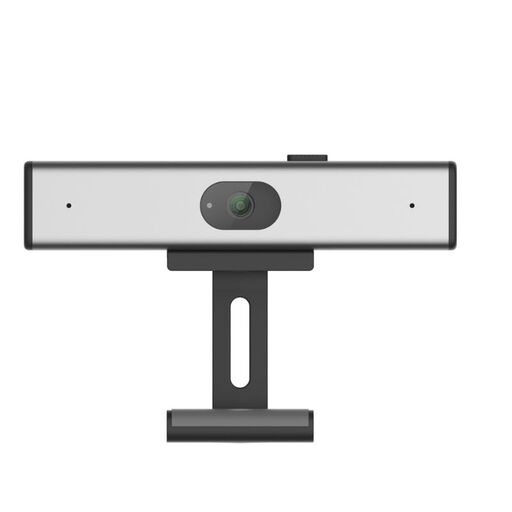
Consider this clip-on personal webcam for a reader positioned near a desktop monitor or laptop.
The product name specifies 2K QHD video and a noise-reduction microphone. Check the field of view and voice capture in the room, and confirm that the EU-version connection suits the intended UK setup.
A personal webcam can be enough when one nearby reader is the only intended subject. If other people will speak from around the room, plan their audio separately or consider a room-oriented conference camera; rehearse with everyone in their intended positions.
A wider view helps when the reader will be joined on camera, but can make a solo reader appear small. Preview the expected movement before choosing a setting: AnkerWork lists 65°, 78° and 95° views for PowerConf C200, while Logitech lists 65°, 78° and 90° for Brio 4K.
Rehearse with the actual microphone, readers and room before settling on an audio setting. Zoom says its default suppression and echo cancellation can interfere when the full captured sound range matters, so compare available settings while checking that unwanted room noise remains controlled.
Check the connection, physical camera switch or shutter, and camera permissions in the account and meeting app you will use. For Windows, Microsoft also identifies drivers, restrictive privacy settings and another app using the camera as possible causes.