Who needs which view?
Start with what learners must see: your face, the work surface, or both. That determines the framing you need before capture resolution becomes useful.
Tabletop demonstrators
If you teach with handwriting, worksheets, ingredients or small objects, check whether the camera can hold a stable view of the required area. Logitech describes a desk-sharing Show Mode on MX Brio, while its Brio 4K offers selectable fields of view; neither feature should be assumed to provide the exact view your table needs.
Face-to-camera tutors
For discussion or explanation from one seat, a repeatable head-and-shoulders frame may matter more than tracking. Check focus, camera position and how much of the kitchen appears behind you; Logitech lists a fixed 78° view for C920e.
Tutors working in changing light
Window and ceiling lighting can change the view during a lesson. Check the exact model for exposure controls or automatic adjustment, then try it at your usual teaching time. Elgato lists HDR for Facecam MK.2, but that feature alone cannot predict the result in your room.
What matters when choosing?
Choose the camera position and movement your lesson requires, then check whether your computer and calling service can use the features you are considering.
Fixed 1080p webcam
Consider it: When you teach mostly from one seat and show materials only occasionally.
Trade-off: A fixed face-focused position offers less flexibility for close tabletop detail; Elgato also specifies separate audio equipment for Facecam MK.2.
Fixed 4K webcam
Consider it: When you regularly alternate between speaking to camera and showing notes or objects, and can position the camera for both.
Trade-off: Extra capture detail does not ensure equally detailed live video; Zoom places conditions on 1080p transmission, and framing still depends on the mount.
Tracking webcam
Consider it: When you repeatedly leave your seat or switch between explanation and hands-on work.
Trade-off: Tracking needs deliberate setup and a trial run so that movement does not pull the frame away from the material learners need to see.
| Concern |
What to check |
Who this matters to |
| Tabletop framing |
Check the exact model’s field of view and whether its mount or tilt lets you show the required table area. |
If learners must follow my writing or practical steps, I need the work surface to stay in frame without losing the explanation. Roughly 40% of consumers put tabletop framing first. |
| Face visibility |
Check the exact model’s light-adjustment or exposure controls, and try the intended camera position at lesson time. |
With a window or overhead light near my seat, I want learners to see my face consistently. Around 30% of consumers make face visibility their primary concern. |
| Working setup |
Confirm the required computer connection and calling-platform settings; check whether your chosen webcam provides the audio arrangement you need. |
I need the camera and sound to work with the computer I already use, without troubleshooting as a lesson begins. Roughly 30% of consumers prioritise a dependable setup. |
Brands to consider for this setup
These examples illustrate different camera approaches; features belong to the named models, not every webcam from the brand.
Logitech
Relevant to both fixed face-focused framing and desk-oriented teaching. Logitech lists a 78° view for C920e, selectable views for Brio 4K and a tilt-down Show Mode for MX Brio.
- The named models offer different ways to plan a seated or tabletop frame.
- Show Mode belongs to MX Brio; do not assume it is available on C920e or Brio 4K. Live-video resolution also depends on the calling setup.
Elgato
Facecam MK.2 is a fixed, face-focused option for tutors who want camera controls. Elgato lists HDR up to 1080p60 for the model.
- Camera controls are relevant when you want to adjust the image for a repeatable seated position.
- Elgato specifies separate audio equipment and directs Facecam users to a USB 3.0-or-better port rather than a hub.
OBSBOT
Tiny 2 Lite is relevant when lessons involve changing position. OBSBOT describes tracking, hand-tracking modes and position presets for this model.
- The stated modes offer framing options to try when alternating between speaking and demonstrating.
- These are manufacturer-described functions, not a guarantee of how tracking will behave in your kitchen; practise with the intended mode before a lesson.
Joybuy webcam options
These are fixed webcam options for seated teaching and possible tabletop framing. Compare their stated controls with the camera position your lesson requires; this selection is not a list of tracking webcams.
 No image available
j5create JVCU435 4K Webcam with Remote Control
Consider its remote-controlled framing if you want to adjust a fixed camera view during a seated tutorial. The title specifies 4K capture and 5x digital zoom; check whether its physical position can show the part of the table you teach from.
View on Joybuy
 No image available
EMEET All-in-One 4K Webcam with Sony Sensor
Consider its stated adjustable 98° field of view if your seated lesson needs a broader frame. The title also specifies fixed focus, a four-microphone array and dual speakers; confirm that the focus and camera position suit your actual table distance.
View on Joybuy
 No image available
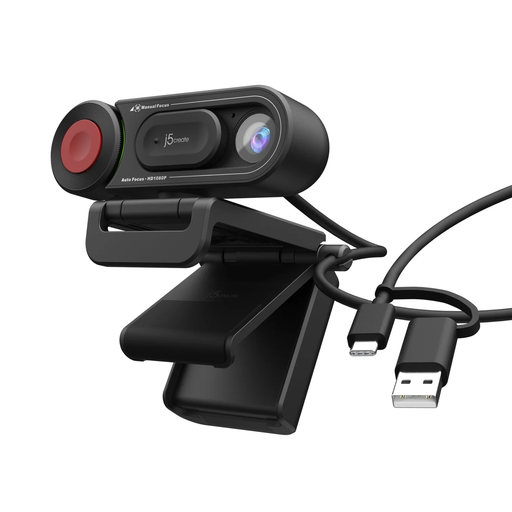
j5create JVU250 HD Webcam with Auto and Manual Focus
Consider the stated focus switch if you want control over focus during a mostly seated lesson. Before using it for demonstrations, check that your intended camera position captures the materials learners need to see.
View on Joybuy
 No image available
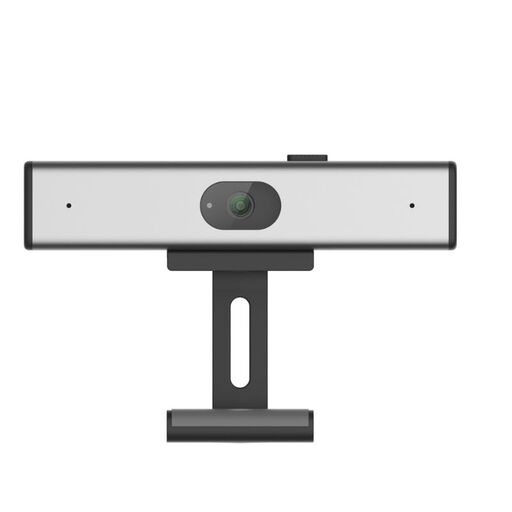
Philips SPL6308S/00 2K QHD Clip-on Webcam, EU Version
The stated clip-on design suits a monitor or laptop position if that position gives learners the view they need. The title also specifies a noise-reduction microphone; check the available camera angle before relying on it to show work laid out on the table.
View on Joybuy
Frequently asked questions
Do I need a 4K webcam for a kitchen-table tutorial?
No, not if a fixed face-focused view shows everything learners need. Consider 4K capture when framing flexibility or small tabletop detail matters, but check the mount as well as the resolution. Zoom places conditions on sending 1080p video, so camera capture resolution alone does not establish live-call resolution.
How can I show both my face and work on the table?
Test the required view from the camera position before buying. A suitable mount or a desk-sharing feature may help you switch views: Logitech lists tripod mounting for Brio 4K and C920e, and describes MX Brio’s Show Mode for tilting down towards notes and sketches. Check that the chosen position keeps the work legible.
Will I need a separate microphone?
That depends on the exact webcam and the sound in your kitchen. Logitech lists built-in microphones for Brio 4K, whereas Elgato specifies separate audio equipment for Facecam. Record a short test with your usual background noise before relying on either arrangement for a lesson.
What should I check on my computer before ordering?
Check its available ports against the exact webcam’s connection requirements, then check your teaching platform’s video settings and your intended audio device. Elgato instructs Facecam users to connect directly to a USB 3.0-or-better port rather than through a hub; other models should be checked against their own instructions.


