What matters when choosing
Decide whether the camera will mainly show the teacher or the work surface, then test the smallest markings in the view pupils will actually receive.
Conventional webcam
Choose it when: You mainly show the teacher and need occasional close demonstrations from a position the camera can hold steadily.
Trade-off: A monitor clip may not give you a stable view of a ruler or worksheet from above.
USB visualiser
Choose it when: Overhead views of measuring materials are central to the lesson; the IPEVO V4K PRO 120, for example, is presented with an adjustable arm for material capture.
Trade-off: Check the desk space, cable route and computer setup, particularly if you also need a teacher-facing view.
| Concern |
What to check |
Who this matters to |
| Close-up detail and focus |
Test the smallest ruler marks at the intended camera distance and lighting; check that focus holds when hands move. |
I need pupils to read a graduation rather than just recognise the ruler, so the received image must stay legible during the demonstration. Around 46% of consumers put close-up detail first. |
| Framing and position |
Check that the mount holds the work surface steadily and the frame includes both hands and materials without excessive background. |
When I turn from explaining to measuring, I need the work to remain in view without making its markings tiny. Framing is the primary need for around 27% of consumers. |
| Lesson delivery and privacy |
Test the school’s video platform and receiving screen; plan the camera view and any recording under school procedures. |
I need remote pupils to receive a usable picture while avoiding unnecessary capture of classmates. Around 27% of consumers prioritise lesson delivery and controlled capture. |
Joybuy webcam choices
These webcams are options for teacher-facing lessons with occasional views of a measuring activity. Check their focus and mounting position with the actual work surface before relying on either for overhead demonstrations.
 No image available
Targus 2K Webcam with Auto Focus
For lessons moving between the teacher and desk work, its listed autofocus and tripod thread give you options to test at the intended angle.
The title says 2K, but the detailed listing says Full HD 1080p; confirm the capture resolution before choosing it for small markings. A tiltable mount and 67° field of view are listed, though you will still need to check stability and framing with your materials.
Joybuy
 No image available
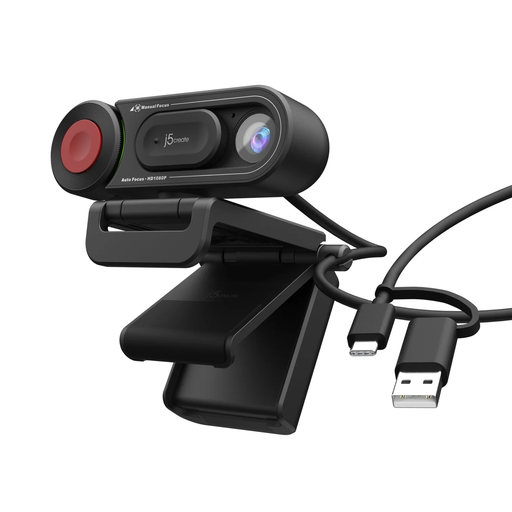
j5create JVU250 HD Webcam with Auto & Manual Focus Switch, Black
For a monitor-based lesson with occasional demonstrations, its adjustable clip and focus modes are worth testing against the angle and distance your exercise needs.
The listing specifies 720p video, auto and manual focus modes, and a clip for monitors, laptops and flat surfaces. Test the smallest marks on the receiving screen; the clip alone does not establish a stable overhead position.
Joybuy
Common questions
Do I need a 4K webcam to show a ruler?
Not necessarily: first test whether pupils can read the smallest markings with the camera focused and positioned at the distance you will use. Higher capture resolution may offer more detail, but the video platform and connection affect what reaches pupils.
How should I position a camera for a desk-based measurement exercise?
Use a stable position that shows the markings and your hands without casting shadows or blocking the work. Check whether the webcam’s mount can hold that angle; for repeated overhead views, a USB visualiser with an adjustable arm is another option.
Will pupils receive the resolution stated for the webcam?
Not always: the conferencing service, its settings, the devices and the connection all affect delivered video. For its Web App group video, Zoom recommends 2.6 Mbps upload and 1.8 Mbps download for 720p, compared with 3.8 Mbps upload and 3.0 Mbps download for 1080p; check the requirements of the service your school uses.
What if pupils might appear in the camera view?
Plan the view and any recording under your school’s data-protection procedures. The Department for Education says identifiable images are personal data; consult your school’s data protection officer or leadership about capturing, using or sharing them, and exclude pupils from the frame where they do not need to appear.


