Close-up observation presenters
You need to keep a specimen, model, worksheet or experiment central in the frame, often with the camera pointing down at the work.


Choose a USB visualiser when the science observation needs to stay in view from above: an adjustable arm and a specified shooting area suit that setup. A conventional webcam suits a presentation centred on the pupil with occasional object views, provided it can focus and remain stable at the intended working distance.
You need to keep a specimen, model, worksheet or experiment central in the frame, often with the camera pointing down at the work.
You mainly need to explain the observation on camera, showing an object occasionally. Camera position and focus matter when you switch between the presenter and the work.
You need a workable recording and sharing plan if pupils may be identifiable. The Department for Education treats identifiable images as personal data.
Choose it when: A specimen, worksheet or changing experiment needs to remain beneath an adjustable camera.
Allow for: Desk space and a shooting area large enough for the work. Check that the camera works with the computer and recording software you will use.
Choose it when: The pupil’s explanation is central and views of the observation are occasional.
Allow for: A separate positioning plan if the camera must point down; autofocus alone does not establish how well it will capture a small specimen.
| Concern | What to check | Who this matters to |
|---|---|---|
| Observation framing | Check whether the camera can point down and whether its shooting area fits the specimen, tray or paper. | If my experiment must stay visible while I explain it, I need room to frame the work without holding it up to the lens; around 42% of consumers put the observation view first. |
| Computer setup | Confirm the computer connection and whether the project software can select the camera as a video source. | When I have limited time to set up on a school or home computer, I need the camera to work with the device I can use; roughly 33% of consumers make straightforward setup their main concern. |
| Presenter and observation | Check the planned camera position and field of view; agree how identifiable pupil footage will be handled. | If I need to explain the experiment on camera, I want the presenter and the relevant work to be easy to follow; about 25% of consumers prioritise this mixed presentation. |
A camera positioned for a person at a desk does not automatically provide a stable view of materials laid flat. IPEVO and AVer specify shooting areas for their visualisers; Logitech specifies a fixed 78° field of view for the C920s webcam.
Lay out the experiment first, then check whether the proposed camera position can frame the whole observation.
An overhead arrangement may require a separate stable stand or mount.
Autofocus does not, by itself, tell you whether a particular specimen will look clear at your planned working distance.
Check focus with an object of the intended size, in its container and under the lighting you plan to use.
Department for Education guidance treats images of identifiable pupils as personal data. Recording and sharing therefore need to follow the school’s data-protection process.
Consider whether hands, materials and narration will tell the story. If pupils will be identifiable, check the school’s arrangements before recording or sharing.
Its DO-CAM is a USB visualiser intended to show physical materials and can also function as a webcam.
Its U50+ visualiser uses a flexible arm for positioning over physical materials and also offers webcam use.
Its C920s is a conventional webcam suited to a presenter-facing desk setup.
These conventional webcams are options for a presenter-led explanation with occasional object views. For an overhead science observation, check the mounting position and focus at the distance your work requires.
 No image available
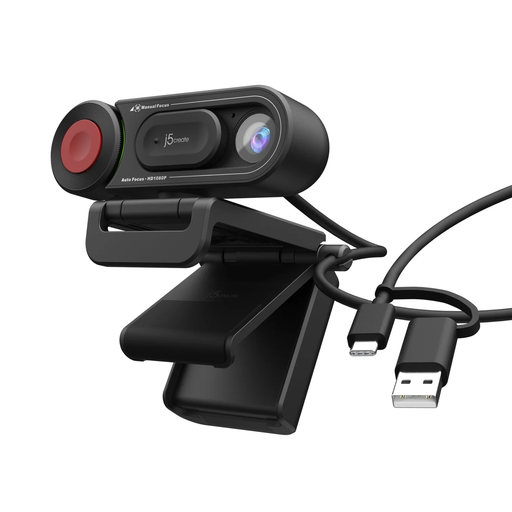
Consider it for explaining a project on camera with occasional object views. Its auto/manual focus switch gives you a choice of focus mode; check the actual specimen and mounting position before relying on it for overhead footage.
 No image available
Consider it for a presenter-led explanation where remote-controlled framing is useful. Its stated 5x digital zoom does not establish that a small specimen will be in focus; check working distance and the proposed overhead position.
Choose a visualiser if the physical observation needs to remain central and be shown from above; choose a conventional webcam if the pupil mainly explains the work on camera. In either case, check the specimen’s framing and focus at the planned working distance.
No conclusion about the finished observation follows from those labels alone. IPEVO specifies an 8 MP lens for the DO-CAM, while Logitech specifies 1080p video at 30 fps for the C920s; how the specimen appears also depends on focus, framing and lighting in the planned setup.
A school can plan a recording, but identifiable pupil images must be handled as personal data. Department for Education guidance calls for an appropriate lawful basis and suitable handling of storage and sharing; check the school’s process and intended audience before recording or publishing.