Page-first storytellers
If illustrations and words must remain the main view as you turn pages, look for physical control over the camera’s position above the book. Logitech describes Reach as an adjustable camera for presenting physical content.


Choose an overhead content camera when the picture-book pages need to stay on screen throughout the reading: adjustable positioning makes it easier to keep the book in frame while turning pages. A conventional webcam is a more relevant choice when viewers mainly need to see the storyteller, but check how you will aim it at the book and whether the pages stay sharp. For an online or recorded reading, check permission to share the book and plan how identifiable attendees will be handled.
If illustrations and words must remain the main view as you turn pages, look for physical control over the camera’s position above the book. Logitech describes Reach as an adjustable camera for presenting physical content.
If facial storytelling and discussion take up much of the session, a face-facing webcam that can also tilt towards the desk may suit occasional book shots. Logitech describes this desk-facing use for MX Brio’s Show Mode.
If you can leave the book and camera at a measured distance, a fixed-focus webcam on a separate mount is another option. Check the working distance before relying on it: Elgato specifies a 30–120 cm focus range for Facecam MK.2.
For a community-group reading, decide whether viewers will spend most of their time looking at the page or the storyteller; that determines which camera position is worth setting up and testing.
Choose it when: The book needs to remain the main view through repeated page turns.
Trade-off: It is a specialised arrangement; Logitech Reach offers adjustable positioning and autofocus, but its stated output is up to 1080p/60fps rather than 4K.
Choose it when: The storyteller is usually on screen and book shots are occasional.
Trade-off: A desk-facing mode does not provide the articulated positioning of a content camera; check the book view at the angle you will actually use.
| Concern | What to check | Who this matters to |
|---|---|---|
| Full-page view | Check the downward angle and whether the largest open book fits, stays level and remains in focus. | If viewers need to follow the pictures and words through each page turn, I would put a steady, readable book view first. Around 50% of consumers put page clarity above their other camera needs. |
| Reader-and-book switching | Check how easily you can change between the face and desk views, including the camera selected in your calling app. | When discussion breaks up the story, I want people to see my face without losing the option to show a page. For around 30% of consumers, that flexibility is the primary need. |
| Fixed-position setup | Measure lens-to-book distance and check the focus range, computer connection and mounting arrangement. | For occasional sessions, I would rather prepare one repeatable camera position than keep adjusting it during the reading. A straightforward fixed setup comes first for around 20% of consumers. |
A high-resolution webcam can still give viewers a tilted or cropped book view if it cannot be positioned securely above the pages.
Frame the largest spread you expect to show, then turn pages while watching the preview. Compare resolution only after checking position and focus.
A webcam that cannot point towards the book securely may need a separate tripod, arm or clamp.
Elgato specifies a 30–120 cm focus range for Facecam MK.2. Moving the book outside the range could leave its pages out of focus.
Measure from the proposed lens position to the page and test several page turns at that distance.
Scottish Book Trust warns that sharing a reading of published material online can raise copyright issues, including when the audience is a small group. An in-person reading without recording is a different use.
Before streaming or distributing a recording, ask the rightsholder for permission or confirm that a licence covers your book, audience and method of sharing. The Copyright Licensing Agency’s Read Aloud Licence concerns school staff; do not assume it covers a community group.
A camera or recording may capture identifiable attendees as well as the storyteller. The Information Commissioner’s Office gives particular guidance to organisations handling children’s personal information.
Keep attendees out of frame where possible. If identifiable people will be recorded, decide on an appropriate lawful basis and provide relevant privacy information; if using consent, the ICO says it must be specific and informed.
Its Reach and MX Brio lines address different ways of showing a book: a dedicated physical-content view and an occasional desk-facing webcam view.
Tiny 2 is relevant when the storyteller’s movement, rather than a stationary book view, is the main framing concern.
Facecam MK.2 is relevant to a measured, fixed-position camera arrangement.
These conventional webcams are options to assess for a reader-and-book session. Before choosing one for page presentation, check its mounting position, working distance and full-spread view.
 No image available
Consider this webcam if you want to adjust a narrator-led view with a remote, provided you can position it securely for book shots.
The product name specifies 4K and 5× digital zoom. Check that the planned angle keeps a full spread level and that pages are sharp at your chosen distance.
 No image available
For a book view that may need refocusing, assess this autofocus webcam at the position you intend to use.
Confirm its actual video output if resolution matters to you, and check that the mounted camera can keep an open book level and sharp.
 No image available
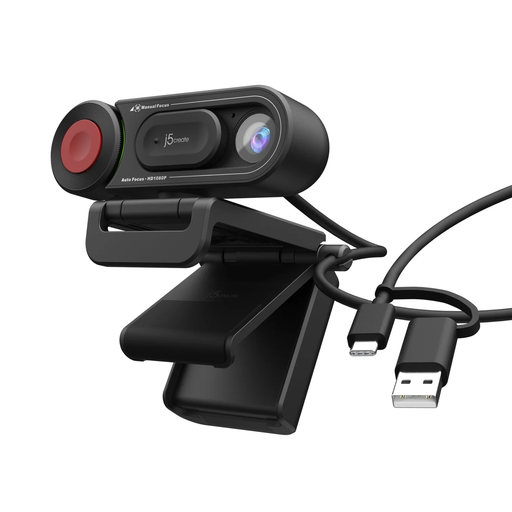
For a repeatable book position, consider whether its auto/manual focus switch suits the way you will set up each session.
Check the page preview for legible text and illustrations, and test the mounting angle and working distance before the reading.
Yes, if you can aim it securely at the book and keep the whole spread level and in focus. For frequent page shots, an overhead content camera offers more direct positioning; Logitech describes Reach as adjustable for presenting physical content.
Check permission before sharing the reading online rather than assuming a small group is exempt. Scottish Book Trust warns that online sharing of published material can raise copyright issues; confirm permission from the rightsholder or a licence covering the particular book and distribution method. The Copyright Licensing Agency’s Read Aloud Licence is described for school staff, so do not assume it applies to a community group.
Plan for their personal information before recording or streaming identifiable attendees. The Information Commissioner’s Office advises organisations handling children’s information to consider an appropriate lawful basis and children’s best interests. Keeping attendees out of frame can reduce what is captured; if consent is the chosen basis, the ICO says it must be specific and informed.
Put the largest expected book spread in its reading position, turn several pages and check the preview in the app you will use for the session. Measure the lens-to-page distance for a fixed-focus camera: Elgato specifies 30–120 cm for Facecam MK.2.