Participants concerned about privacy
If flatmates or private living areas might appear behind you, prioritise a frame that shows only what you intend and a way to cover the lens after the workshop.


For a seated writing-workshop discussion, start with a 1080p webcam and check whether its frame keeps the rest of your shared flat out of view; a physical shutter is useful when the call ends. Look at adjustable framing, microphone options or desk-sharing modes if household activity enters the shot, your voice is hard to hear or you regularly show handwritten work. Confirm that the camera and any software-dependent controls work with your computer and workshop app.
If flatmates or private living areas might appear behind you, prioritise a frame that shows only what you intend and a way to cover the lens after the workshop.
If nearby conversations or appliances interrupt readings and feedback, consider how your voice sounds at your usual seat. Treat microphone noise-reduction features as something to test, not a promise that other sounds will disappear.
If you regularly hold up annotated drafts or show a notebook on your desk, framing controls or a document-oriented mode may matter more than they would for a face-to-face discussion.
Start with what the camera will show from your normal seat, then consider speech, lighting and whether the workshop requires a live view of your pages.
| Concern | What to check | Who this matters to |
|---|---|---|
| Room privacy | Inspect the frame from your workshop seat. Check for a narrower field of view and whether a physical lens cover is built in. | If people pass behind me, I want my face visible without showing them or my belongings. Around 36% of consumers put background privacy first. |
| Household noise | Test voice pickup at your usual distance with ordinary household sounds present; check which microphone the workshop app selects. | I need other writers to understand my comments even when the flat is busy. Clear speech is the primary concern for roughly 29% of consumers. |
| Room lighting | Check the image at your usual workshop time, particularly if a window is behind you. Consider the camera's light-correction features. | My desk position makes it difficult to keep my face visible on a call. Around 21% of consumers would prioritise image clarity in that situation. |
| Showing drafts | Check whether you need a live view of paper and whether the app keeps writing legible; look for suitable framing or desk modes. | I want others to see handwritten edits without awkwardly repositioning the camera. For about 14% of consumers, showing physical work comes first. |
A wider shot may include flatmates or private areas. PCMag UK notes that a narrower field of view helps when you want the camera to capture only your face.
Make a test call from your usual seat and inspect the edges of the picture before deciding how much framing control you need.
AnkerWork, Insta360 and Logitech describe microphone noise-processing features, but their claims do not establish how clearly your voice will come through in your room and workshop app.
Test your voice while normal household activity is going on. If it remains difficult to understand, try a headset or another suitable microphone.
PCMag UK describes 1080p as a good starting point for a webcam. Extra resolution is more relevant if you need room to crop the image or regularly show physical work.
Decide whether you will share pages live before choosing a higher-resolution camera for that purpose.
AnkerWork says the PowerConf C200's field-of-view settings use its software, while Logitech says Brio 500 auto-framing requires Logi Tune.
Check your operating system, available USB connection, permission to install the required software and workshop-app compatibility before ordering.
Logitech offers models for different workshop needs: its Brio 100 specifications list 1080p video and an integrated privacy shutter, while Brio 500 adds framing and presentation features.
AnkerWork positions the PowerConf C200 for buyers who want to change how much of a shared room appears on screen.
Insta360 presents its Link 2 range for calls that may involve showing a desk or whiteboard as well as speaking to camera.
These webcams are options for joining a writing workshop by video. Compare how each would frame your room and handle your voice before choosing one for a shared-flat setup.
 No image available
Consider this model if you want to adjust the shot during a workshop without reaching for the camera. Its stated features include 4K video and a remote for 5x digital zoom; check how the view looks from your seat and how clearly your voice comes through amid household noise.
 No image available
If spoken discussion is your priority, the four-microphone array is worth testing with sounds typical of your flat. The title also specifies a 98° adjustable field of view; confirm that its settings can give you a sufficiently narrow shot and check how its stated privacy protection works if you need a physical lens cover.
 No image available
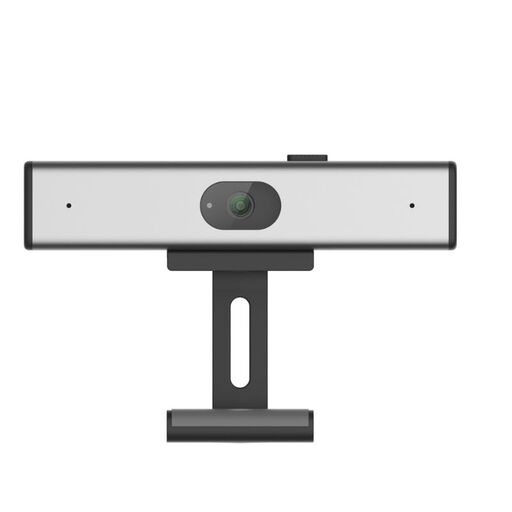
This clip-on webcam is an option for seated video calls when you want to assess a built-in noise-reduction microphone. Check voice pickup in your workshop app, and confirm the framing and lens-cover arrangement if keeping the shared room out of view matters to you.
For a seated discussion, 1080p is a sensible starting point; PCMag UK describes it as a good starting resolution for a webcam. Consider higher resolution if you need to crop the picture or frequently show physical pages, and check whether the workshop app keeps those pages legible.
Test the camera from your normal chair and use a narrower view if the frame includes people or private areas. PCMag UK notes that a narrow field of view helps capture only your face; a physical shutter or cover is useful for blocking the lens when the camera is not in use.
Check the exact webcam's operating-system and software requirements before relying on adjustable framing. AnkerWork says its PowerConf C200 field-of-view settings use AnkerWork software, so confirm you can install and use it on the computer you bring to the workshop.
Check the seller's cancellation information and any applicable exceptions before ordering. GOV.UK says customers can cancel eligible online orders up to 14 days after delivery without giving a reason; keep the seller's terms so you can distinguish a change-of-mind cancellation from a problem with a faulty or misdescribed item.
If an employer or organisation runs the workshop, follow its rules for equipment and meeting platforms before showing confidential material on camera. The Information Commissioner's Office advises home workers to use approved technology when handling personal data.