Hosts planning a self-serve drinks table
Individual ready-to-drink bottles avoid mixing at the buffet. If the bottles themselves are part of the display, confirm their material and the case quantity for the exact drink before ordering.


For a self-serve wedding buffet, individually bottled black cold brew involves the least preparation, provided the supplier confirms the bottles are glass if that presentation matters. A reusable glass brewing bottle suits a smaller display when someone can brew, chill and replenish the coffee; concentrate suits separately prepared servings but needs dilution and serving vessels. Whichever route you choose, check the exact product’s ingredients, storage instructions and quantities before the event.
Individual ready-to-drink bottles avoid mixing at the buffet. If the bottles themselves are part of the display, confirm their material and the case quantity for the exact drink before ordering.
A reusable glass brewing bottle gives you a confirmed glass vessel, but someone must make the coffee, keep it chilled and replenish the display. Whittard of Chelsea specifies a 650ml glass bottle with an integrated filter.
Concentrate allows drinks to be mixed for service rather than supplied as individual bottles. Grind specifies a 1:1 mix with water or milk, so the caterer needs to plan the mixing step, serving vessels and ingredient information.
Choose the serving format first, then check its packaging, preparation and storage requirements against the way the buffet will operate.
Choose when: Guests should be able to pick up a finished black coffee without staff mixing drinks.
Allow for: A bottle is not necessarily glass; confirm the current packaging and enough suitable bottles for the event.
Choose when: A confirmed glass vessel matters and you can prepare the coffee before a smaller buffet.
Allow for: Brewing, chilling, cleaning and refilling rather than sealed individual servings.
Choose when: You can prepare drinks in batches and supply your own glass bottles or carafes.
Allow for: Dilution and a clear distinction between drinks mixed with water and those mixed with milk.
| Priority | What to check | Your needs |
|---|---|---|
| Glass presentation | Confirm the material of the exact ready-to-drink bottle, or choose a specified glass serving vessel. Whittard of Chelsea lists its brewing bottle as glass with a 650ml capacity. | I want the drinks table to use glass, rather than relying on the word “bottle” to tell me what the packaging is made from. |
| Preparation and quantity | Check bottle or vessel capacity, the intended serving size and who will refill it. Grind states that 500ml of its concentrate makes 1 litre when mixed 1:1 with water or milk. | If guests will serve themselves, I want enough finished drinks ready without an unplanned mixing or refill step. |
| Ingredients | Read the label on each purchased drink and identify any milk-based option separately. The Sandows case listing gives coffee and water as ingredients; M&S lists semi-skimmed milk in its Classic Latte Cold Brew Coffee. | Guests should be able to tell black coffee from a milk-based drink before taking one. |
| Storage and service | Follow the exact pack’s chilled-storage and after-opening instructions. The Sandows listing says to keep its drink refrigerated and consume it within three days of opening. | I need a practical plan for keeping drinks chilled and for handling bottles once opened. |
The Sandows ready-to-drink case is described as bottles, but that description does not establish their material. Packaging that differs from your plan changes the look of a self-serve display.
Ask the supplier to confirm the material and case quantity for the exact current product before arranging the table around it.
M&S lists semi-skimmed milk in its Classic Latte Cold Brew Coffee, while the cited Sandows black coffee listing gives coffee and water as ingredients. The distinction matters when guests need clear ingredient information.
Keep the options identifiable and check the label on each purchased pack before service.
Grind’s stated 1:1 mixture doubles the liquid volume, but it also requires water or milk and a vessel for the finished drink. A carton of concentrate is not a ready-to-serve glass bottle.
Work out the intended finished serving size, then plan the mixing and chilled serving vessels.
These examples illustrate different drink and glassware formats; a retailer’s range does not establish that a particular ready-to-drink coffee comes in glass.
The Whisky Exchange describes a case of 12 Sandows cold-brew bottles with coffee and water as ingredients.
Its Classic Latte Cold Brew Coffee is a milk-based chilled drink, not a black-coffee equivalent.
The cited Waitrose cold-brew-related examples are a coffee liqueur and an espresso martini.
Its iced-coffee category includes examples of 1L and 750ml multi-serve chilled coffees.
Tesco Groceries lists marketplace glass bottles, carafes, jugs and decanters as separate serving equipment.
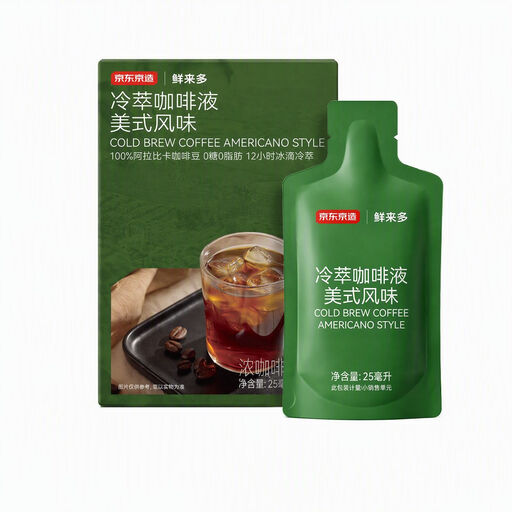
This coffee-liquid option is for a buffet where drinks can be prepared before service and served in separately chosen vessels. Check its preparation method if cold-brew extraction is essential to your choice.
 No image available
The 25ml × 10 pouch format may suit drinks prepared before buffet service. The product wording also describes the coffee as instant soluble, so check the extraction method if cold brew is essential; check the mixing directions and arrange glass serving vessels if needed.
Whittard of Chelsea specifies its 650ml cold-brew brewing bottle as glass, with an integrated filter. It is a vessel for making coffee, not a ready-filled drink, so plan brewing, chilling and refills.
No. The cited Sandows case is described as bottled cold brew, but the listing does not identify the bottle material. Confirm the packaging for the exact product before ordering it for a glass-bottle display.
Start with the product’s stated dilution ratio and your intended serving size. Grind says its 500ml concentrate makes 1 litre when mixed 1:1 with water or milk; provide a separate vessel for the finished drink.
Check the ingredients and allergen information on the exact purchased pack. M&S lists semi-skimmed milk in its Classic Latte Cold Brew Coffee and advises customers to read the product label, as product information can change.