Hosts serving a shared fruit dish
For a communal bowl, trifle layer or dessert table, a roughly 410g–432g tin is a starting format when you want more fruit from each opened can. Check its drained weight against the amount the dish requires.


Choose a 220g–227g tin if you plan to put out small amounts and replenish them; a roughly 410g–432g tin is a more relevant starting point for a shared fruit dish. Match the fruit cut and juice or light-syrup packing to the recipe, then check the drained weight and the exact tin’s instructions for any fruit left after opening.
For a communal bowl, trifle layer or dessert table, a roughly 410g–432g tin is a starting format when you want more fruit from each opened can. Check its drained weight against the amount the dish requires.
For garnishes, pineapple slices or dessert toppings put out gradually, a 220g–227g tin offers a smaller batch to open at one time, though repeated replenishment means opening more tins.
If the dish calls for slices, halves, chunks or mixed fruit, check the cut as well as the fruit name. The label also matters when the recipe specifies juice rather than light syrup.
Decide how much fruit to open at once, then match the cut and packing liquid to the dishes you will serve.
| Concern | What to check | Who this matters to |
|---|---|---|
| Tin size | Compare net and drained weights with the planned batch; decide between a 220g–227g tin and a roughly 410g–432g tin. | If I am filling one shared bowl, I need enough fruit from each opened tin; if I am replenishing toppings, I would rather open a smaller batch. About 45% of consumers put batch size first. |
| Fruit cut | Check whether the named product contains slices, chunks, halves or fruit cocktail. | A garnish that needs pineapple slices will not have the same presentation as one made with chunks or mixed fruit. For about 33% of consumers, matching the cut to the dish is the main concern. |
| Packing and label | Confirm juice or light syrup, ingredients and the exact product’s after-opening instructions. | When a recipe specifies juice, or guests may need to check ingredients, I need the correct tin and its label available. Label and packing details come first for about 22% of consumers. |
Single tins listed by Tesco include both 220g–227g and roughly 410g–432g formats. The weight on the front is not a guest-serving count.
Use the exact product’s drained weight and your recipe or caterer’s portion plan to work out the amount to open.
Pineapple slices and chunks, peach slices, pear halves and fruit cocktail may suit different dishes or presentations.
Check the full product name before ordering, particularly when the recipe calls for a particular shape.
Tesco listings distinguish juice-packed from light-syrup products, including tins with similar fruit names.
Read the packing description and ingredients on each selected tin, and keep its label available during service.
After-opening instructions can differ. Joybuy’s listing for Princes Pineapple Slices In Juice 227g says to transfer leftovers to a sealed container, refrigerate them and use them within two days; that period should not be applied to other products.
Follow the exact tin’s instructions and the caterer’s food-safety procedure.
Tesco lists Princes fruit cocktail, peach and pineapple options in smaller and larger single-tin formats.
Tesco’s own-brand listings include different fruit cuts and tin sizes, including pineapple slices at 227g and peach slices at 410g.
Tesco listings include Del Monte peach slices and fruit cocktail in both juice-packed and light-syrup options.
These single tins offer larger batches of peach slices, peach halves, mango slices or pineapple slices, packed in either juice or light syrup. Match the named cut and liquid to your buffet dish, and check drained weight when planning portions.
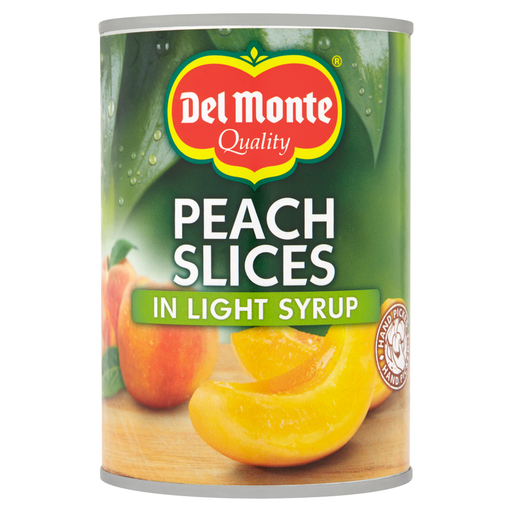 Image unavailable
Consider this single tin for a larger peach-slice dish when light syrup matches the recipe. Check its drained weight against the amount you plan to serve.
 Image unavailable
This single tin suits a dish calling for peach halves packed in juice. Choose slices instead if the recipe or presentation requires them, and check drained weight for batch planning.
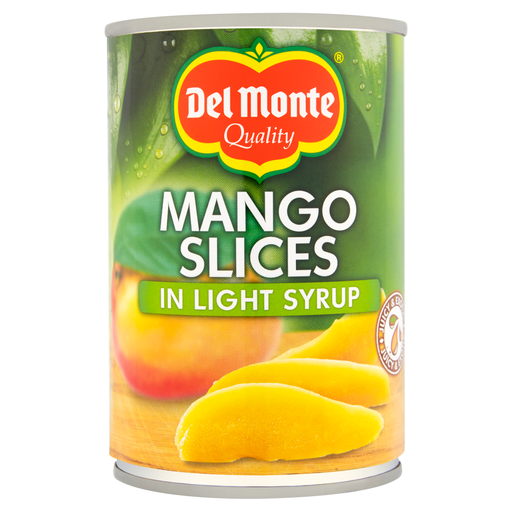 Image unavailable
Consider this single tin when the dish calls for mango slices in light syrup. Its 425g net weight should not be used as the drained fruit quantity when planning the batch.
 Image unavailable
This single tin is an option for a dish requiring pineapple slices in juice. At 435g, it is a different size from the smaller replenishment tins; check drained weight before deciding how many to open.
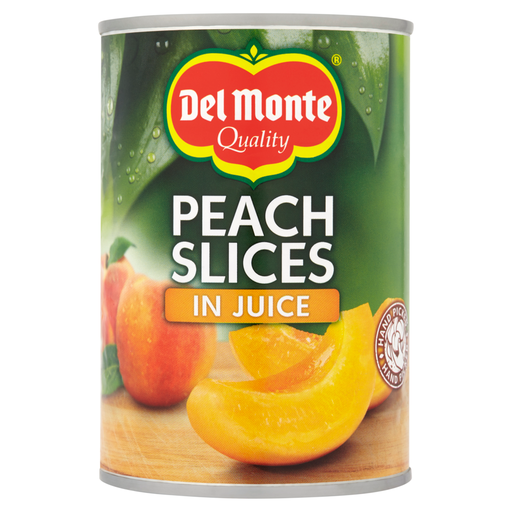 Image unavailable
Consider this single tin for a peach-slice dish that calls for fruit in juice. Check the drained weight on the can before using its 415g net weight to plan portions.
Choose the liquid that matches your wedding-buffet recipe or intended serving style. Tesco listings show both juice-packed and light-syrup options for some fruit types, so check the exact tin rather than substituting by fruit name alone.
Do not assume it can stay out for the whole event. For food that needs chilled display, Food Standards Agency caterer guidance says to set chilled display equipment at 5°C or below. Follow the exact product’s instructions and agree a serving and replenishment plan with the caterer.
Follow that product’s after-opening instructions. Joybuy’s listing for Princes Pineapple Slices In Juice 227g calls for a sealed container, refrigeration and use within two days; do not apply that period to every fruit tin.
Yes, keep the packaging available so the caterer can check ingredients and respond to guests’ allergen questions about the exact products served. GOV.UK guidance on providing food at community and charity events encourages making allergen information available where possible; check the arrangements for your wedding with the caterer.