
24/7 Customer Support

Free returns

Same-day & Next-day Delivery

Quality Guaranteed

Unlock Your Welcome Offers: FREE Delivery | Up to 80% OFF | Free 30-day JoyPlus trial
Download the APP
Setting up a home gym is an exciting step, but choosing the right equipment can feel overwhelming. A quality weight bench is the cornerstone of any effective strength training space, providing the stable support you need for a huge range of exercises. But with so many options on the market, how do you find the one that fits your space, goals and budget?
This guide is designed to help you navigate the key features to look for in a weight bench for your home gym. We will break down the essential considerations and highlight a few carefully selected options to help you make an informed decision.
Before diving into specific products, let's cover a few key points to consider during your search. Focusing on these areas will ensure you select a bench that serves you well for years to come.
The first major decision is whether you need an adjustable or a flat bench.
This is a critical safety consideration. The bench's weight capacity must safely support your body weight plus the maximum weight you intend to lift. Look for the dynamic weight capacity, which accounts for the movement of lifting. A heavy duty exercise bench made from a robust steel frame is essential for anyone serious about strength training. Pay attention to the thickness of the steel and the quality of the welds and bolts, as these contribute to overall stability.
Your available space will heavily influence your choice. Measure the area where you plan to use the bench, leaving enough clearance on all sides for safe movement and for a barbell if you use one. If you're working with limited room, a foldable workout bench can be an excellent solution, allowing you to store it upright or under a bed when not in use.
Here are a few recommendations for different needs, based on their features, construction and user-focused design.
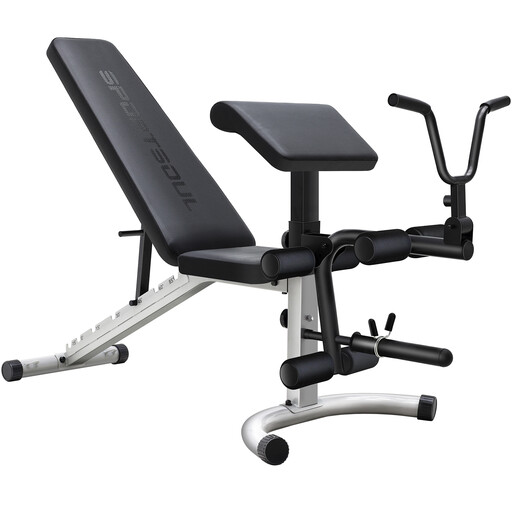
Why It Stands Out This bench is a versatile piece of home gym equipment designed for comprehensive training. Its key feature is the 7+4 multi-angle adjustment system, which allows for seven backrest positions and four preacher pad positions. Constructed from alloy steel, it offers a high dynamic weight capacity of 610 lbs (277 kg). It also includes removable preacher curl and leg extension attachments, effectively expanding your exercise options without needing separate machines.
Pros
Who is it for? This is a great option for home fitness enthusiasts who want a single, versatile strength training bench that can support a full-body workout routine and adapt as they grow stronger.
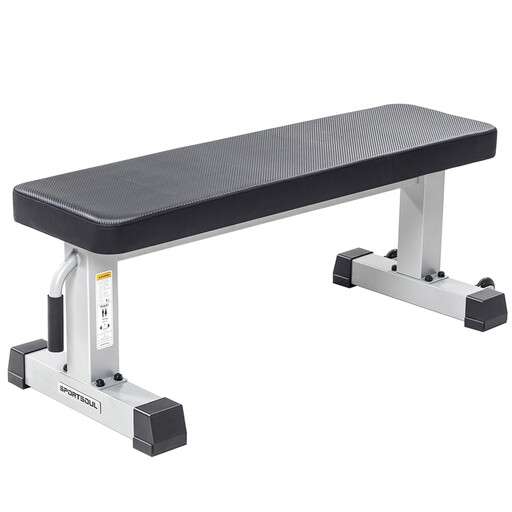
Why It Stands Out For those who prioritise stability and simplicity, this flat bench delivers. It is built with a heavy-duty carbon steel frame and also supports up to 610 lbs (277 kg), providing a solid, unmoving platform for heavy lifts. The design is straightforward and robust. A thoughtful feature is the breathable leathaire seat, which incorporates a latex layer to help reduce heat build-up during intense sessions. It also has built-in wheels, making it easy to move and store.
Pros
Who is it for? Ideal for lifters who need a reliable, no-fuss flat weight bench for core exercises like the bench press and dumbbell work. It's also a practical choice for those who want a sturdy secondary bench in a larger home gym setup.
A new weight bench is an investment in your strength. To see the results of your hard work, consistent tracking is key.
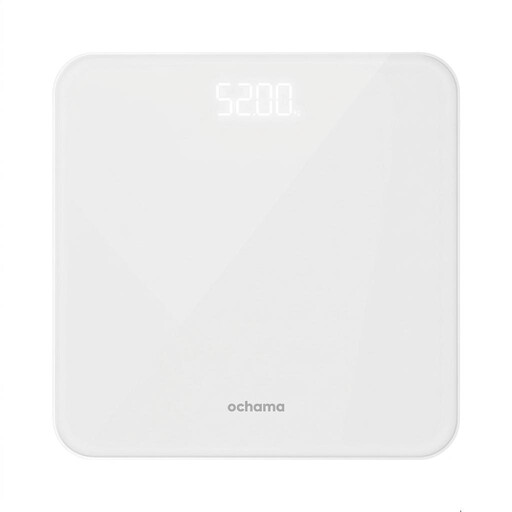
Why It Stands Out While not a piece of workout equipment, a reliable scale is an essential tool for any fitness journey. The Ochama Digital Scale offers accurate weighing with a clear, high-contrast LED display. Its durable 5mm tempered glass platform and minimalist design make it a practical addition to any home. With a long battery life, it's a low-maintenance way to monitor your progress as you pursue your fitness goals.
Pros
Who is it for? Anyone committed to a fitness routine who wants a simple and reliable tool to track their body weight over time.
A bench is a fantastic start, but you'll need weights to go with it. To get the most out of your new strength training bench, a good set of dumbbells is essential.
Explore our selection of dumbbell bars to find the right weights to pair with your new bench and complete your home gym setup.
1. What is a good weight capacity for a home gym bench? A good benchmark for most users is a bench with a dynamic weight capacity of at least 250 kg (approx. 550 lbs). This provides a safe margin for your body weight plus the weights you are lifting. Always check the manufacturer's specifications, as a heavy duty exercise bench designed for advanced lifters may offer a much higher capacity.
2. Is an adjustable weight bench necessary for a beginner? Not strictly necessary, but highly recommended. A flat bench is sufficient for learning foundational movements. However, an adjustable weight bench provides far more exercise variety, allowing you to target different muscle groups more effectively. It's a feature that adds significant long-term value as your routine evolves.
3. How much space do I need for a weight bench? Measure the bench's footprint and add at least 60-90 cm (2-3 feet) of clear space on all sides for safe movement. If you plan to use a standard 7-foot barbell, you will need a width of at least 2.5-3 metres (8-10 feet) to accommodate the bar and plates. For smaller rooms, a foldable workout bench combined with dumbbells is a more space-efficient option.