
24/7 Customer Support

Free returns

Same-day & Next-day Delivery

Quality Guaranteed

Unlock Your Welcome Offers: FREE Delivery | Up to 80% OFF | Free 30-day JoyPlus trial
Download the APP
Transitioning your little one from a bottle to their first cup is a significant milestone, but the journey can often feel like a series of trial-and-error purchases. The market is flooded with options, all promising a mess-free experience. As a Joybuy Product Recommendation Officer, my role is to help you navigate the marketing claims and focus on what truly matters. Many parents find themselves with a cupboard full of cups that leak, are impossible to clean or simply frustrate their child. Before you make another purchase, let’s look at the common pitfalls to avoid.
To ensure you choose a cup that is safe, functional and durable, focus on these non-negotiable parameters.
It is a legal requirement in the UK and EU for baby feeding products to be free from Bisphenol-A (BPA). However, you should still look for confirmation that the cup is made from high-quality, food-grade materials.
The mechanism inside the lid is what separates a good cup from a great one. For toddlers learning to drink independently, a weighted straw cup is a game-changer. The weight at the bottom of the straw follows the liquid, allowing your child to drink from any position. This design transforms a standard cup into an any angle sippy cup, eliminating the frustration of a straw that can't reach the drink. Furthermore, a well-engineered valve will only release liquid when the child sips, effectively preventing spills when the cup is dropped or tipped over.
A cup should be designed for a child to use. A toddler cup with handles provides the stability little hands need to hold and control the cup themselves. Another key feature is a hygienic flip-top lid that covers the straw when not in use, keeping it clean in your nappy bag or on the floor.
Instead of a one-size-fits-all approach, we've matched our recommendations to specific parental needs and priorities.
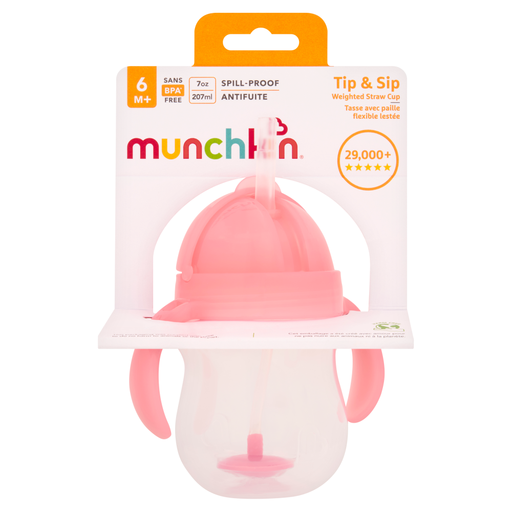
Why This Fits Their Persona: This cup is ideal for parents helping their baby make the first move from bottle to cup. The design is focused on making the learning process as intuitive and frustration-free as possible for the child.
It directly solves the "Angle of Frustration" with its weighted straw. The patented Munchkin Click Lock cup technology provides an audible click to confirm the lid is secure, addressing the "Spill-Proof Myth".
The weighted straw allows for drinking at any angle, which is crucial for a baby learning to sip independently. It also includes a straw-cleaning brush.

Why This Fits Their Persona: For the parent whose top priority is ensuring every part of the cup is perfectly clean and free from mould, this cup's unique design is a standout feature.
This cup was designed specifically to solve the "Cleaning Nightmare". The straw zips open, allowing you to clean the interior thoroughly without needing a special tiny brush.
The zip-open straw offers unparalleled ease of cleaning for complete hygiene. It also features a reliable spill-proof valve and durable, BPA-free construction.
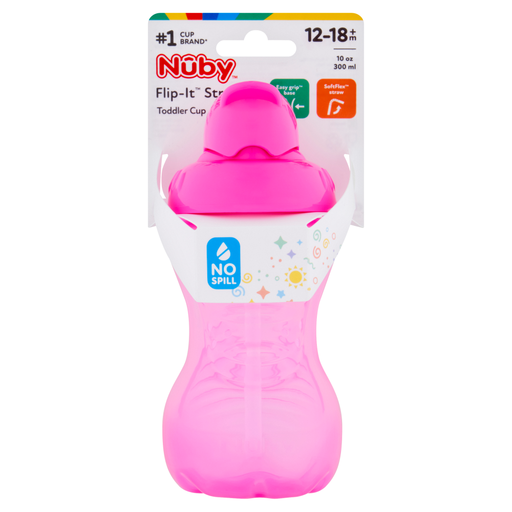
Why This Fits Their Persona: This is a great choice for parents of slightly older toddlers who need a durable, no-fuss cup for nursery, days out and travel. It's a reliable workhorse from a trusted UK brand.
Its No-Spill valve is designed to be leak-resistant for travel, and the simple construction makes it less of a "Cleaning Nightmare" than more complex models. The flip-cap is a key feature for hygiene on the go.
The robust flip-top cap is excellent for keeping the straw clean in a bag. Its easy-grip base is shaped for small hands, promoting independent drinking.
A great cup is a practical essential, and can also be a thoughtful present. If you're searching for more inspiration for a little one's big day, we've compiled a complete list of products that satisfy strict selection criteria and UK safety regulations.
Most weighted straw cups are designed for babies from 6 months onwards. This is typically when babies are developing the motor skills to hold a cup and the oral skills to sip from a straw. However, always check the manufacturer's age recommendation and use the product with adult supervision.
Disassemble the cup completely after every use—this means removing the lid, straw and weight. Wash all parts in warm, soapy water. Use the small brush often included with the cup to scrub the inside of the straw and the weight. Rinse thoroughly and allow all parts to air dry completely before reassembling. Many cups are also top-rack dishwasher safe, which can help with sanitisation.
For many parents, the answer is yes. The primary benefit is that they reduce frustration for the child, as they can drink from any angle. This can make the transition from bottle to cup smoother and quicker. While they may have a slightly higher initial cost, their ability to prevent spills and promote independent drinking skills often provides excellent value.