
24/7 Customer Support

Free returns

Same-day & Next-day Delivery

Quality Guaranteed

Unlock Your Welcome Offers: FREE Delivery | Up to 80% OFF | Free 30-day JoyPlus trial
Download the APP
A warm cup of tea is a cornerstone of British life, but the world of wellness tea extends far beyond a simple builder's brew. With promises of better sleep, improved digestion and a sense of calm, the shelves are filled with options. However, navigating the marketing claims to find a genuinely beneficial herbal tea can be a challenge.
As a Joybuy Product Recommendation Officer, my role is to help you see past the hype. Many shoppers find themselves disappointed by products that don't deliver, often due to a few common purchasing pitfalls. Let's look at what to avoid so you can choose a functional tea that truly suits your lifestyle.
To make an informed choice, focus on these three practical parameters instead of marketing slogans.
The ingredients list is your most reliable source of information. For a pure herbal tea, the list should be short and simple. Look for products that state 100% natural ingredients, such as "100% Peppermint Leaves" or "Moringa Leaf (100%)". This ensures you are not consuming unnecessary fillers, sugars or artificial additives. If a tea is a blend, the primary functional ingredients should be listed first, indicating they are present in the highest concentration.
Understanding the key botanicals helps you match a tea to your needs. Different herbs have different properties traditionally associated with them.
The format of the tea matters for both convenience and purity.
Instead of a generic list, we've matched specific products to different user needs, helping you find a tea that aligns with your goals.
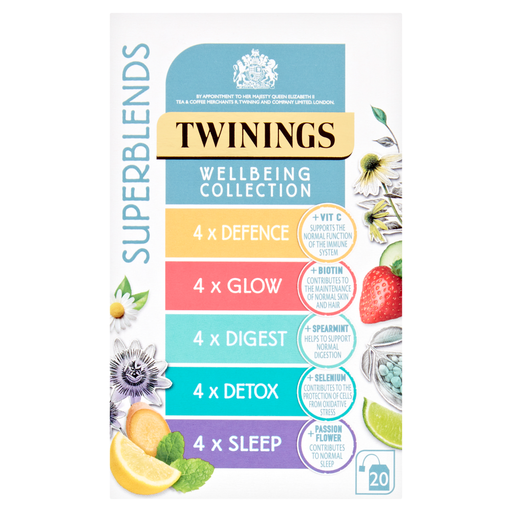
Why This Fits Their Persona: Perfect for those new to functional teas who want to try different blends without committing to multiple full-sized boxes. This collection offers a curated tour of wellness teas for various needs.
It counters the "vague claims" pitfall by offering clearly labelled blends like 'Sleep', 'Digest' and 'Defence', each with specified functional ingredients like passionflower, spearmint and added Vitamin C.
Includes five different functional blends in one pack. The ingredients are clearly listed for each blend, allowing you to discover what works for you.
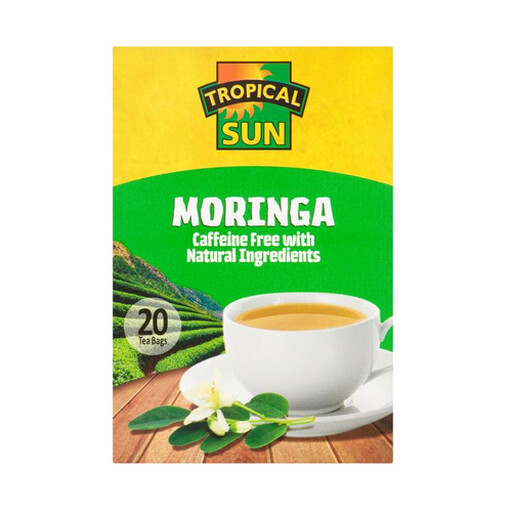
Why This Fits Their Persona: For the individual who wants a clean, single-ingredient tea with no additives. They value purity and are interested in the properties of specific plants like moringa tea.
This tea is the antithesis of the "hidden sugars and additives" pitfall. The ingredient list is as simple as it gets: Moringa Leaf (100%). There is no room for anything else.
A 100% pure and natural product. It is naturally caffeine-free and offers a unique, earthy flavour for those looking to expand their herbal tea palate.

Why This Fits Their Persona: Specifically for those seeking a dedicated sleep tea to incorporate into their evening routine. Their goal is to find a pleasant, calming brew to help them unwind before bed.
This blend avoids being a "fairy dust" product by featuring passionflower (35%) and camomile (14%) as primary ingredients, both well-regarded botanicals for relaxation.
A purpose-built blend for relaxation with a pleasant spiced apple and vanilla flavour. It is completely caffeine-free, making it ideal for evening consumption.
We have compiled a complete, real-time list of products that fully satisfy these strict selection criteria and UK safety regulations.
For most common herbal teas like chamomile, peppermint or ginger, daily consumption is generally fine for healthy adults. However, for a functional tea that contains more active ingredients, such as the senna found in some "slimline" or detox tea blends, it is crucial to follow the package directions. These are not typically recommended for daily, long-term use. Always check the label for specific guidance.
The effect of a sleep tea is less like a medicine and more about creating a relaxing pre-sleep ritual. The act of brewing and sipping a warm, caffeine-free tea can signal to your body that it's time to wind down. Blends containing chamomile or passionflower can enhance this calming sensation. For best results, incorporate it into your routine 30-60 minutes before you intend to sleep.
No, not necessarily. While most infusions made from flowers, fruits and roots (tisanes) are naturally caffeine-free, some "wellness" blends use a green tea or black tea base, which does contain caffeine. If you are looking for a caffeine-free tea, always check the packaging for confirmation. This is especially important if you plan to drink it in the afternoon or evening.