
24/7 Customer Support

Free returns

Same-day & Next-day Delivery

Quality Guaranteed

Unlock Your Welcome Offers: FREE Delivery | Up to 80% OFF | Free 30-day JoyPlus trial
Download the APP
Navigating the world of wellness tea can feel overwhelming. Shelves are filled with boxes promising everything from better sleep to a boosted immune system. But with so much marketing noise, it's easy to choose a product that doesn't quite live up to its claims. As a Joybuy Product Recommendation Officer, my role is to help you see past the hype and make informed choices.
Many of us have bought a promising-looking herbal tea only to be disappointed. This often comes down to a few common purchasing pitfalls:
By learning to read the box like a pro, you can ensure the wellness tea you choose is perfectly suited to your needs.
To avoid disappointment, focus on a few key details on the packaging. These non-negotiable factors separate a high-quality functional tea from a simple flavoured drink.
The ingredients list is your most powerful tool. It's listed in order of weight, so the first few ingredients make up the bulk of the tea. When looking for a tea for sleep, for example, you should expect to see ingredients like chamomile, valerian root or lavender high up on the list.
For a digestion tea, look for peppermint tea or blends with fennel and ginger. If you're seeking an organic herbal tea, check for an official certification logo (like the EU Organic logo) on the box. This ensures the ingredients were grown without synthetic pesticides and fertilisers, adhering to strict standards.
The market for wellness tea is split between traditional herbal tea and modern functional tea.
This may seem obvious, but it's a critical check, especially if you're looking for a relaxing tea to drink in the evening. While most herbal infusions are naturally caffeine-free, some functional blends, particularly those for energy or metabolism, may use green tea as a base. Always look for a clear "caffeine-free" statement on the packaging if you want to avoid it.
Instead of a one-size-fits-all approach, we've matched some well-formulated wellness teas to specific needs and lifestyles.
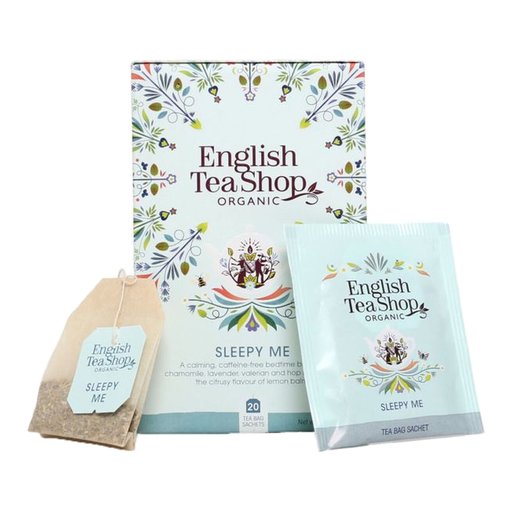
Why This Fits Their Persona: This person is looking for a caffeine-free, relaxing tea to help them unwind before bed. They value pure, organic ingredients and a blend specifically designed to promote a sense of calm.
It avoids the filler trap by leading with 62% chamomile, followed by other purposeful herbs like lavender, hop leaves and valerian roots. The ingredients are clear and certified organic.
A harmonious blend of four classic botanicals associated with relaxation. Being certified organic and naturally caffeine-free makes it a trustworthy choice for a bedtime routine.

Why This Fits Their Persona: This user wants a functional tea to enjoy after meals to support their digestive comfort. They are interested in products with added benefits that go beyond a simple herbal infusion.
This is a true functional tea, not a "miracle brew". It clearly states its purpose and backs it with an added ingredient, Zinc, which contributes to normal macronutrient metabolism. The primary ingredients are fennel and mint (39% each).
The combination of traditional herbs (mint, fennel) with a functional mineral (Zinc) and active probiotics offers a multi-faceted approach to digestive wellbeing in a single, refreshing cup.
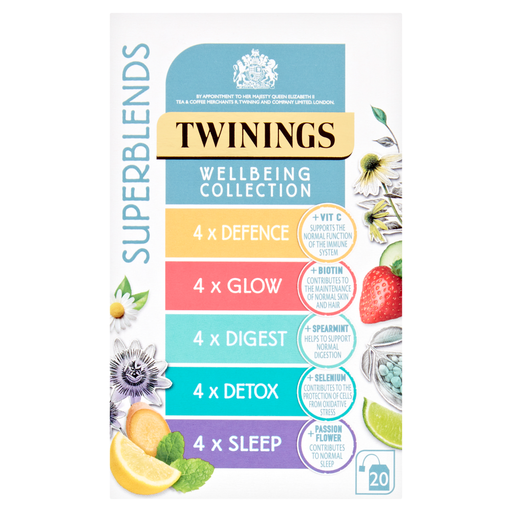
Why This Fits Their Persona: This person is new to functional teas or simply enjoys variety. They want to try different blends for different needs—like immune support, digestion and sleep—without committing to a full box of each.
A herbal tea selection box is the perfect antidote to buying on hype. It allows you to sample five different, clearly labelled functional blends (Defence, Detox, Glow, Digest, Sleep) to discover what you genuinely enjoy and find useful.
This collection offers excellent variety and value, providing a curated introduction to the world of functional teas. Each blend is fortified with a relevant vitamin or mineral, such as Vitamin C or Biotin.
We have compiled a complete, real-time list of products that fully satisfy these strict selection criteria and UK safety regulations.
1. How long should I steep wellness tea? Most herbal and functional teas benefit from a longer steeping time than black tea. A good rule of thumb is to infuse the bag in freshly boiled water for at least 3-5 minutes. For blends with dense roots like valerian or ginger, or for a stronger flavour, you can extend this to 10 minutes. Always check the on-box instructions, as some functional teas require a specific time for vitamins to infuse properly.
2. Can I drink functional tea every day? For most herbal infusions like peppermint or chamomile, daily consumption is generally fine for healthy adults. For functional teas with added vitamins and minerals, it's wise to be mindful of your total daily intake from all sources (including food and other supplements). The packaging will often provide guidance, such as "Enjoy 2 cups a day as part of a varied and balanced diet".
3. Are organic herbal teas really better? "Better" can be subjective, but choosing an organic herbal tea provides specific assurances. The organic certification means the ingredients are grown without the use of synthetic pesticides and herbicides. For many consumers, this provides peace of mind about the purity of what they are drinking and supports farming practices that are kinder to the environment.