
24/7 Customer Support

Free returns

Same-day & Next-day Delivery

Quality Guaranteed

Unlock Your Welcome Offers: FREE Delivery | Up to 80% OFF | Free 30-day JoyPlus trial
Download the APP
Wellness powders can make it easier to add nutrients, protein, greens or electrolytes to a busy day. However, attractive packaging and broad promises can make it difficult to compare products fairly. A powder described as a “complete” solution may contain only small amounts of its headline ingredients, while a large tub may offer fewer servings than expected.
This guide explains the practical checks that UK shoppers should make before buying wellness powders, from ingredient transparency and serving information to dietary suitability, flavour and value.
A product may feature dozens of ingredients, but the label may not show the quantity of each one. This makes it difficult to understand what you are actually buying. A shorter formula with clearly stated amounts can be easier to compare with other daily wellness supplements.
Check:
Natural ingredients can still cause allergies, interact with medicines or be unsuitable during pregnancy and breastfeeding. For example, green formulas may contain celery, sulphites, wheat, barley or oats. Some sleep support powders include ingredients such as 5-HTP, L-tryptophan or herbal extracts that require additional caution.
Always read the current packaging, warnings and directions before use. If you take prescribed medication or have a medical condition, ask a healthcare professional before choosing a supplement.
A powder that remains unused in the cupboard is poor value, even if the ingredient profile looks appealing. Earthy greens powder, spirulina powder and chlorella powder can have strong flavours. Unflavoured products offer flexibility but may need to be blended into smoothies or yoghurt. Flavoured products can be more convenient, although they may contain sweeteners or natural flavourings.
The format affects both use and value. Raw powders, extracts, flakes and sachets are not directly interchangeable.
For example, Applied Nutrition 8 Mushroom Superblend lists eight mushroom extracts and specifies a 10:1 extract format. That is a clearer comparison point than simply seeing “mushroom blend” on the front of a pack.
Per-100g figures can make a product appear highly concentrated, but most people consume only a few grams at a time. Compare the actual serving:
For shoppers seeking vegan supplements or vegan-friendly supplements, look beyond the word “plant-based”. Check for animal-derived ingredients, capsule materials, dairy traces and manufacturing warnings. Also consider:
Organic certification can be valuable when buying an organic superfood powder, but it should not replace checking the ingredient panel and serving size.
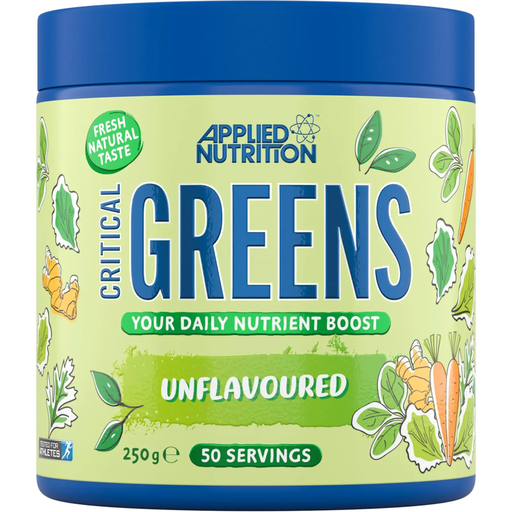
Why This Fits Their Persona: The larger 250g pack and one 5g serving per day suit shoppers who want to establish a simple greens routine without committing to several separate powders.
The product lists its named ingredients and quantities per 5g serving, rather than relying only on broad “super greens” wording.
Unflavoured formula; includes spirulina, grass powders, vegetables, beetroot extract and green tea extract.
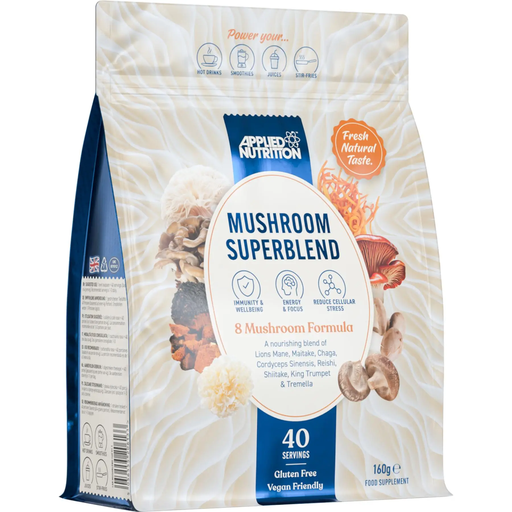
Why This Fits Their Persona: A suitable option for adults who prefer a stimulant-free, unflavoured mushroom formula that can be added to coffee, tea, soups or smoothies.
It identifies eight mushroom extracts and states a 10:1 extract ratio, giving shoppers more detail for comparison.
Unflavoured; vegan and vegetarian suitable according to the supplied product information.
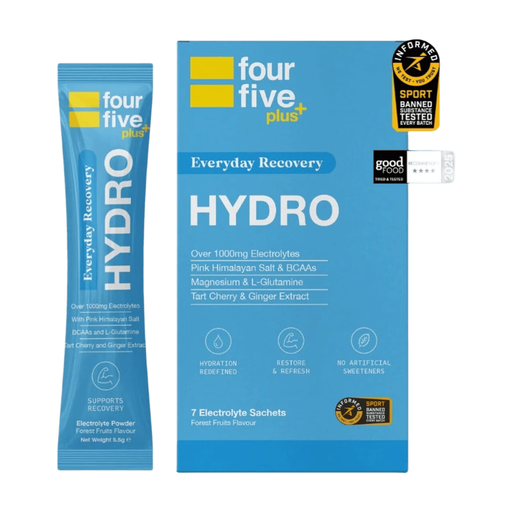
Why This Fits Their Persona: Individual sachets are practical for gym bags, commuting, travel and use after exercise or heavy sweating.
The directions specify one sachet mixed with 500ml of water, helping users measure preparation consistently.
Contains electrolytes, B vitamins, BCAAs and L-glutamine; seven pre-portioned sachets.
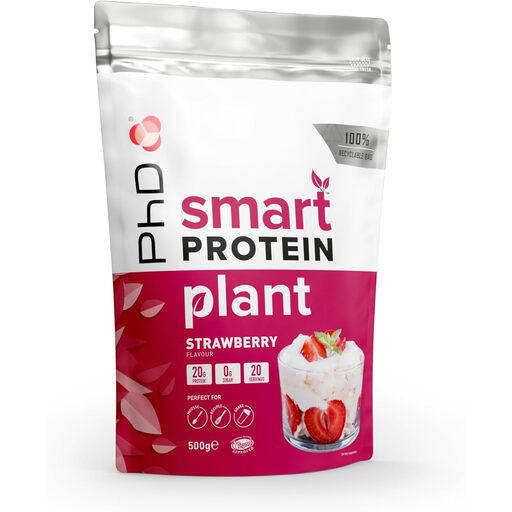
Why This Fits Their Persona: Adults following vegetarian or plant-focused diets can use it in shakes, smoothies, baking and breakfast recipes.
The label states 20g of protein per 25g serving, making it easier to assess against daily protein needs.
Zero sugar per stated serving; includes pea and soya protein plus selected vitamins and minerals.
We have compiled a complete, real-time list of products that fully satisfy these strict selection criteria and UK safety regulations.
Start with the stated serving rather than adding several products at once. Greens and algae powders can be blended into smoothies, while cacao powder works in porridge, yoghurt and baking. Maca powder has a naturally malty flavour and can be mixed into breakfast recipes. Hydration recovery powder is generally prepared with a measured volume of water, making it convenient for training or travel.
Store powders in a cool, dry place and reseal the pouch or tub after use. Moisture can cause clumping and may affect texture. For products with short recommended use-after-opening periods, note the date opened and plan servings accordingly.
No. They are designed to complement food, not replace a varied diet. Check the serving information and avoid using several products that duplicate the same vitamins or minerals without advice.
It depends on the pack size and serving recommendation. A 250g tub used at 5g per day provides approximately 50 servings, while a 160g product used at 4g per day provides approximately 40 servings. Always calculate value using servings, not tub weight alone.
Some are, but not all. Look for clear vegan or vegetarian suitability statements and check for milk, soya, honey, shellfish-derived ingredients and capsule materials. Allergen information can vary between products and should be checked on the current label before purchase.