
24/7 Customer Support

Free returns

Same-day & Next-day Delivery

Quality Guaranteed

Unlock Your Welcome Offers: FREE Delivery | Up to 80% OFF | Free 30-day JoyPlus trial
Download the APP
Spilled drinks, muddy paw prints and everyday dust rarely stay on one type of surface. A suitable wet and dry vacuum cleaner can reduce the need for separate appliances, but the wrong model may leave you with damp carpets, a small tank that needs constant refilling or a machine that cannot handle your main cleaning tasks.
As the Joybuy Product Recommendation Officer, I focus on practical specifications rather than promotional wording. Before comparing models, consider the following common buying traps.
Some appliances vacuum dry debris and wash sealed hard floors, while others are designed only for spot cleaning fabric. A hard floor mop vacuum is not automatically suitable for deep carpet washing, and a carpet washer should not be used on delicate or water-sensitive upholstery unless the instructions permit it.
Check the listed surface compatibility carefully. “Multi-surface” may refer to sealed floors and rugs rather than untreated wood, delicate fabrics or thick pile carpets.
Power ratings and suction figures can be useful, but they do not describe the whole cleaning process. A carpet washer also relies on brush agitation and water extraction. A wet floor cleaner needs a roller, squeegee or equivalent system to collect liquid effectively.
Look for the complete arrangement: brush design, water separation, extraction path and floorhead width. These details often matter more to day-to-day results than a single headline number.
Wet appliances require more care than a standard portable vacuum cleaner. Dirty tanks, brush rolls and filters must normally be emptied, rinsed and dried after use. If these components are difficult to remove, maintenance can become an unwelcome chore.
A self-cleaning vacuum cleaner can simplify brush and internal rinsing, but it does not remove every task. Tanks still need emptying, and removable parts may need drying before storage.
First, identify the exact cleaning modes. A wash-and-dry floor cleaner is suitable for liquid spills and routine washing on compatible hard flooring. A spot cleaner applies solution, agitates a small area and extracts moisture from carpets, stairs, sofas or car seats. A traditional dry vacuum, by contrast, must not be used to pick up liquids.
For whole-floor cleaning, check whether the machine supports carpets, rugs, sealed hard floors or only one of these categories. For isolated accidents, a compact upholstery cleaner may be more practical than a large carpet washer.
Dual tanks keep clean solution separate from extracted dirty water. This is preferable to repeatedly spreading used water across the floor. Capacity is important for larger homes: small cordless spot cleaners are convenient for individual stains, while larger tanks reduce interruptions during room-by-room cleaning.
For example, the Gtech Koala SC02 has a 1.8-litre clean water tank and a 1.5-litre dirty water tank. The Tower AquajetPro has smaller 0.3-litre and 0.4-litre tanks, which suit quick, targeted jobs rather than extensive carpet cleaning.
A cordless wet and dry vacuum cleaner avoids cable management, but battery runtime and charging time affect how much cleaning can be completed in one session. Also consider the machine’s weight when cleaning stairs or moving between floors.
Measure your storage space before buying. Compact models can fit in a cupboard, whereas upright carpet washers and floor cleaners may need dedicated floor space. For dry vacuuming, check dustbin capacity, filter washing instructions and the availability of appropriate attachments for pet hair, crevices and upholstery.
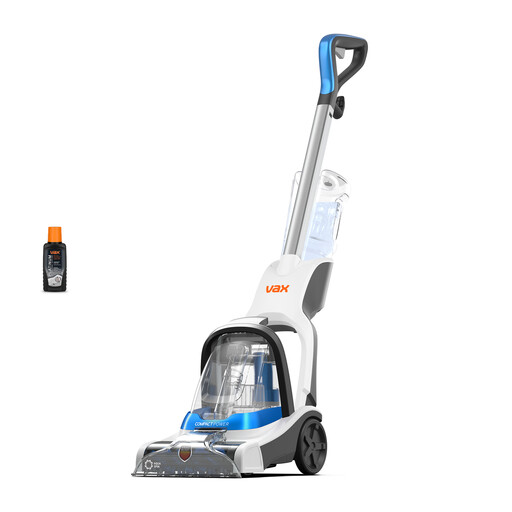
Why This Fits Their Persona: A compact option for UK households needing regular carpet refreshes, high-traffic area cleaning and occasional pet-mess removal without storing a full-size machine.
Its twin-tank design separates clean and dirty water, while the listed carpet-and-rug suitability avoids implying that it is a universal hard-floor mop vacuum.
800W power, AQUASPIN rotating brush bar, 5.47kg weight and a narrow floorhead for a small footprint.
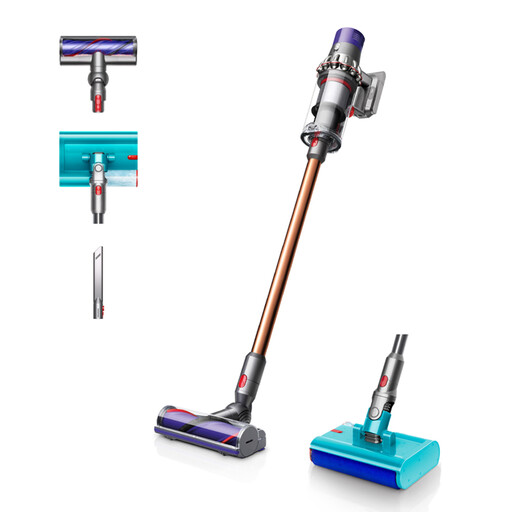
Why This Fits Their Persona: Useful for shoppers seeking one cordless system for dry vacuuming, sealed hard-floor washing, stairs, upholstery and vehicle interiors.
The wet Submarine roller head is specified for hard-floor washing, while the separate Motorbar head handles dry vacuuming on carpets and hard floors.
Up to 60 minutes’ listed runtime, three cleaning modes, detachable handheld format and a 0.77-litre bin.
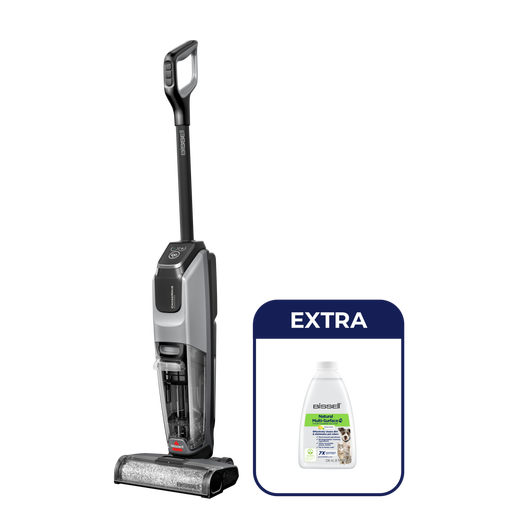
Why This Fits Their Persona: A practical match for busy families and pet-owning homes that regularly clean sealed floors, everyday spills and area rugs.
Digital controls distinguish hard-floor and rug modes, and the dual-tank system avoids mixing fresh and recovered water.
Vacuum-only and turbo modes, self-cleaning cycle, removable brush roll and 0.82-litre clean-water tank.
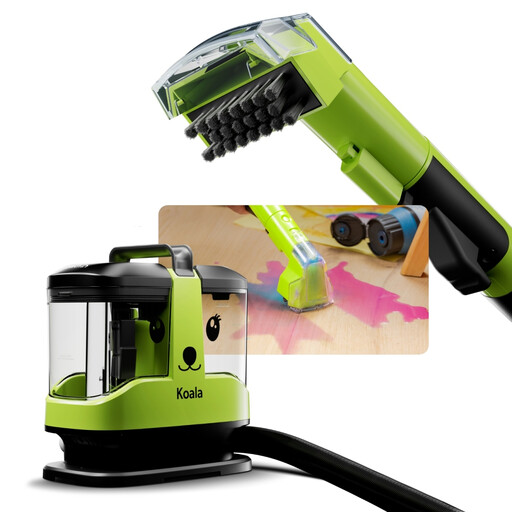
Why This Fits Their Persona: Designed for quick treatment of sofa marks, stairs, car seats, small carpet stains and pet accidents where a full carpet washer would be inconvenient.
Its stated purpose is targeted fabric cleaning rather than whole-home floor washing, making the purchase more closely aligned with occasional spot work.
Spray, scrub and suck action, 450W motor, 1.8-litre clean tank, 1.5-litre dirty tank and washable filters.
We have compiled a complete, real-time list of products that fully satisfy these strict selection criteria and UK safety regulations.
Follow the appliance manual and use only compatible, low-foaming cleaning solutions where specified. Before washing a carpet or rug, vacuum loose dust first and check an inconspicuous area for colour or fabric sensitivity.
After wet cleaning:
Never use a dry-only vacuum to collect liquid. Do not pick up hot ash, burning materials, flammable liquids or sharp objects unless the manual specifically states otherwise. When cleaning stairs, keep the appliance stable and avoid pulling it by the cable or hose.
Not always. A multi-surface floor cleaner is generally intended for routine washing of compatible hard floors and may handle some rugs. A dedicated carpet washer uses a brush system and water extraction designed for carpet fibres. If deep carpet cleaning is your main requirement, compare carpet-washer specifications rather than choosing solely by the “wet and dry” label.
Running cost depends on electricity use, charging frequency, battery condition, cleaning solution and replacement filters or rollers. Cordless models can be convenient for short jobs, but a corded appliance may be more suitable for lengthy cleaning sessions without recharging. Check the stated runtime and charge time against the size of your home.
Lifespan varies with construction, frequency of use, maintenance and replacement-part availability. Regularly clearing hair, rinsing tanks and allowing filters to dry can help preserve normal operation. Before purchasing, check the warranty, care instructions and whether consumables such as filters, brush rolls and batteries are available for your model.