
24/7 Customer Support

Free returns

Same-day & Next-day Delivery

Quality Guaranteed

Unlock Your Welcome Offers: FREE Delivery | Up to 80% OFF | Free 30-day JoyPlus trial
Download the APP
Choosing wet cat food in the UK can seem straightforward until you compare ingredient lists, feeding claims and pack sizes. A pouch described as “natural” may be complementary rather than nutritionally complete, while a large multi-pack can create waste if your cat refuses the flavour.
The practical approach is to assess three things before buying: whether the food is complete or complementary, whether the recipe suits your cat’s life stage and whether the portion format matches your routine.
Terms such as “natural”, “premium” and “grain-free” describe aspects of a recipe, but they do not automatically mean the food supplies every nutrient your cat needs. For example, fish fillets in broth may contain a high proportion of named fish yet still be labelled complementary cat food.
Complementary food is intended to be served alongside a complete diet, as a topper, treat or occasional meal. Check the packaging for wording such as “complete pet food” or “complete and balanced cat food” before using it as your cat’s sole diet.
A grain-free wet cat food recipe can be useful for owners avoiding particular ingredients, but grain-free is not a guarantee of superior nutrition or improved tolerance. The full composition and analytical constituents remain more useful than the front-of-pack claim.
Also check whether the recipe contains other ingredients your cat has previously struggled with, including fish, beef, dairy derivatives or particular thickeners.
A 40-pouch multi-pack may offer convenient daily feeding, but it is a poor-value purchase if your cat rejects the texture. Gravy cat food, jelly cat food, shredded fillets and pâté-style recipes can be very different experiences for a fussy eater.
Once opened, wet food should generally be refrigerated and used within the period stated on the label. Smaller cat food pouches or cat food tins are practical when you are introducing a new flavour.
This is the most important distinction. Complete wet food is formulated for a stated life stage and can provide the main diet when fed according to the label. Complementary food, such as some tuna-in-broth products, needs to be paired with a complete food.
The UK label should also identify the intended species, feeding guidance, ingredients, analytical constituents, net quantity and storage instructions. Look for a clear age recommendation, particularly when selecting adult wet cat food or kitten wet food.
Adult cats, kittens and senior cats can have different nutritional requirements. A recipe for cats aged 12 months and above should not automatically be used for a young kitten. Some products are suitable for kittens over eight weeks, while others are restricted to adult cats.
Compare the stated feeding guide with your cat’s weight and activity. Feeding amounts are starting points, not fixed rules: adjust portions to help maintain an appropriate body condition and provide fresh water at all times.
Wet food commonly contains a high percentage of moisture, which contributes to its soft texture and can help make meals more appealing. Protein and fat figures should be read alongside the moisture percentage rather than viewed in isolation.
A 70g tin or pouch may suit a small meal or topper, while 85g and 100g portions can be easier for routine feeding. For households with several cats, a multi-pack cat food option reduces frequent reordering, but always calculate the cost per 100g and the amount fed per day.

Why This Fits Their Persona: The 680g selection pack lets new owners trial chicken and chicken-and-turkey recipes without committing to a very large case.
It is labelled for adult cats aged one year and above, with feeding quantities and storage guidance supplied for portion control.
Eight 85g pouches; chicken-based recipes with 14% crude protein and 82% moisture.

Why This Fits Their Persona: Owners prioritising a meat-led, grain-free recipe can review its named chicken and beef composition in a manageable 1kg pack.
The product information identifies it as suitable for adults and kittens over eight weeks, while clearly listing moisture, protein and fat values.
93% free-run chicken and grass-fed beef stated in the description; 10 x 100g pouches; added taurine and vitamins.
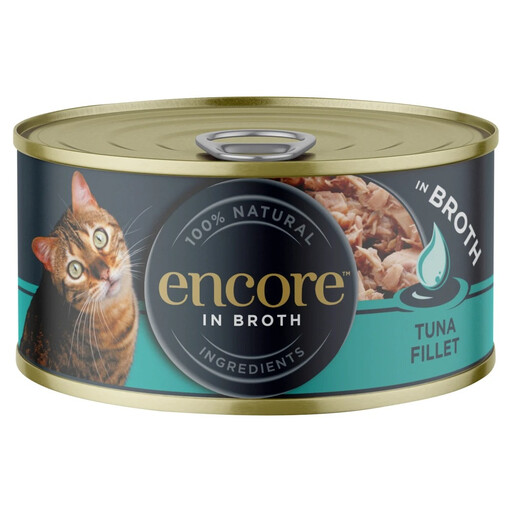
Why This Fits Their Persona: A single 70g tin suits owners who want a fish wet food topper or occasional variety alongside a complete daily diet.
It is explicitly described as complementary, reducing the risk of mistaking a fish treat for a complete daily diet.
75% tuna fillet; broth-based texture; no artificial flavours or additives listed.

Why This Fits Their Persona: The 3.4kg case provides a consistent routine for homes feeding multiple adult cats or owners who prefer fewer repeat orders.
It is stated as complete and balanced for adult cats, with a clear guide of three pouches daily for an average 4kg cat.
Four fish recipes; individual 85g cat food pouches; 80% moisture and 12.5% protein listed.
We have compiled a complete, real-time list of products that fully satisfy these strict selection criteria and UK safety regulations.
The answer depends on the product, portion size and feeding amount. Compare the cost per 100g and the daily feeding recommendation rather than the pack price alone. Large multi-packs can reduce the unit cost, while small tins may suit occasional feeding but cost more per serving.
Follow the product label. The products above specify periods ranging from 24 hours to three days after opening. Store leftovers in a sealed container or securely covered pouch, refrigerate promptly and discard food that looks or smells unusual.
Yes, provided the overall daily amount is adjusted and the wet food is suitable for your cat’s age and dietary needs. Complementary fish wet food should be paired with a complete product, while a complete wet recipe can form part or all of the diet according to its feeding instructions. Introduce changes gradually over 7–10 days where the label recommends it.