
24/7 Customer Support

Free returns

Same-day & Next-day Delivery

Quality Guaranteed

Unlock Your Welcome Offers: FREE Delivery | Up to 80% OFF | Free 30-day JoyPlus trial
Download the APP
Navigating the cat food aisle can feel overwhelming. With shelves stacked high with colourful cat food pouches and multipacks, it's easy to fall for clever marketing or simply grab the most familiar box. However, not all wet cat food is created equal, and a few common purchasing mistakes can lead to a fussy cat, wasted money and even nutritional gaps in your pet's diet.
As the Joybuy Product Recommendation Officer, my role is to help you see past the hype and make informed choices. Let's break down the most frequent pitfalls UK cat owners encounter and how to avoid them.
adult cat food to a growing kitten or a less active senior can cause problems. Kittens need more calories and specific minerals for development, while senior cats often benefit from formulas that are easier to digest and support joint health.To ensure you're bringing home the right food for your feline friend, focus on these three key parameters on the packaging.
Before you even look at the flavour, find the nutritional statement on the box or pouch. It will clearly state whether the product is a "complete" or "complementary" pet food. For your cat's main meals, you should always choose a complete food to ensure they are getting a fully balanced diet. Complementary foods, often those with very high fish or meat content, are excellent as an occasional treat or to add variety.
Cat food is formulated for three main life stages.
Senior cat food is often lower in calories to prevent weight gain and may contain added nutrients like glucosamine for joint support and antioxidants for immune health.Take a moment to scan the composition list. Ingredients are listed in order of weight. Look for a named protein source (e.g., 'Chicken', 'Tuna', 'Beef') high up the list. This gives you a better idea of the main protein your cat is eating. For those concerned about sensitivities, a grain free wet cat food might be a suitable option, as these recipes replace common grains like wheat and corn with alternatives like potatoes or peas. Multipacks like a fish selection cat food can also help you identify which specific proteins your cat prefers.
To help you match a product to your needs, here are a few options that align with common UK cat owner profiles.

Why This Fits Their Persona: For busy households with one or more adult cats, value and convenience are paramount. A large 40-pouch wet cat food multipack from a trusted brand like Whiskas simplifies the weekly shop and offers variety to keep cats interested.
This is a "complete" adult cat food, ensuring you are providing a fully balanced diet without needing to supplement. It's also clearly marked for the "1+" adult life stage.
Provides four different poultry flavours in jelly to prevent flavour fatigue. Formulated with zinc for skin and coat health.
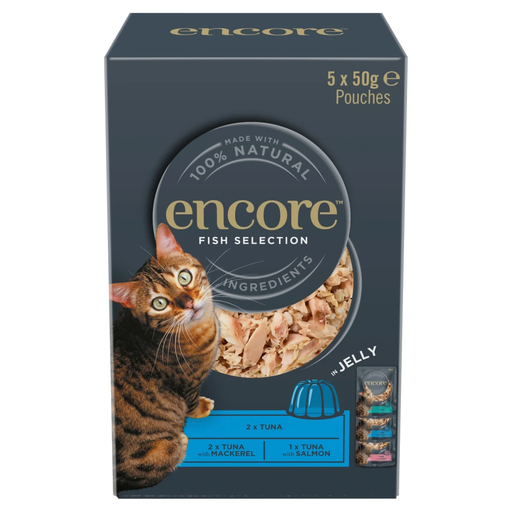
Why This Fits Their Persona: This owner prioritises natural ingredients and a high, identifiable meat or fish content. They read labels carefully and want to avoid fillers and ambiguous "derivatives".
This product directly counters the "low meat content" trap by stating its high fish percentage (55%) upfront. However, it is a "complementary" food, perfectly illustrating the need to check the label and serve it alongside a complete dry food.
Made with a very short list of natural ingredients and a high percentage of real fish. It's a natural source of Omega-3 for skin and coat health.
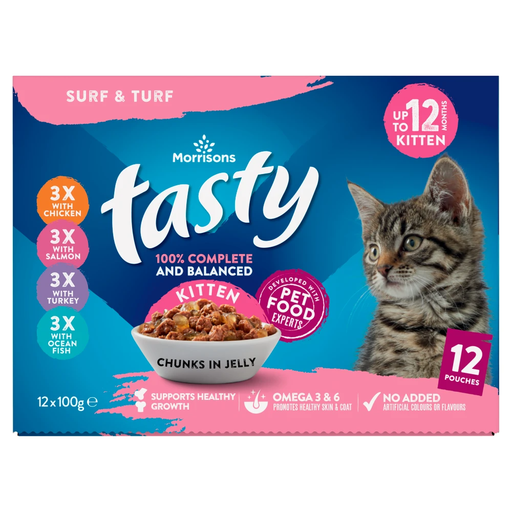
Why This Fits Their Persona: First-time kitten owners want peace of mind that they are providing the correct nutrition for healthy development. They need a product that is specifically and safely formulated for a growing cat.
This food is explicitly formulated as a "complete and balanced" meal for kittens up to 12 months, avoiding the life stage mismatch pitfall. You can feed it with confidence, knowing it meets their specific developmental needs.
Enriched with essential vitamins and minerals for growth, plus Omega 3 & 6 for coat and skin health. The soft chunks in jelly are easy for small mouths to manage.
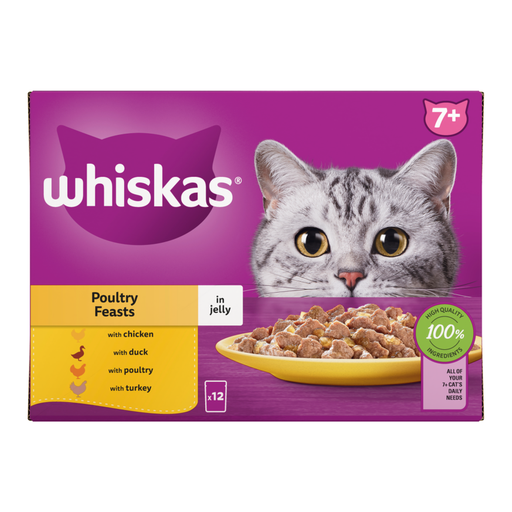
Why This Fits Their Persona: Owners of older cats (7+) are looking for food that supports their pet's changing needs, such as maintaining a healthy weight and supporting vitality, while still being highly palatable.
This is a "complete" food specifically for the 7+ life stage. It avoids the trap of feeding an adult food that may be too high in calories or lack the specific vitamin profile beneficial for a senior cat.
The recipe is tailored for senior cats, with balanced minerals to support urinary tract health and added Taurine for heart health. The jelly texture also helps with hydration.
We have compiled a complete, real-time list of products that fully satisfy these strict selection criteria and UK safety regulations.
1. How much wet food should I feed my cat? The feeding guide on the packaging is your starting point. An average 4kg adult cat typically needs around 3-4 pouches (85g-100g each) per day, split into at least two meals. However, this can vary based on your cat's age, breed and activity level. Adjust the amount to maintain a healthy body condition—you should be able to feel their ribs but not see them.
2. Can I mix wet and dry cat food? Yes, mixed feeding is a popular choice. It offers the dental benefits and free-feeding convenience of dry food, combined with the high moisture content and palatability of wet food. To do this, simply reduce the portion of each food type to ensure you're not overfeeding. For example, you could feed two pouches of wet food and a small bowl of dry kibble per day.
3. How long do wet cat food pouches last once opened? Once a pouch is opened, any unused food should be transferred to an airtight container, refrigerated and used within 48 hours. Serving it straight from the fridge can be unappealing for some cats, so you may want to let it sit at room temperature for 15 minutes before mealtime.