
24/7 Customer Support

Free returns

Same-day & Next-day Delivery

Quality Guaranteed

Unlock Your Welcome Offers: FREE Delivery | Up to 80% OFF | Free 30-day JoyPlus trial
Download the APP
As a nation of pet lovers, we want to provide our feline companions with food that is both delicious and nutritious. Navigating the aisles of wet cat food pouches, however, can feel overwhelming. With so many brands, flavours and formulas, it's easy to fall into common purchasing traps that are costly for you and not ideal for your cat. As the Joybuy Product Recommendation Officer, my role is to help you see past the marketing and make informed choices.
Here, we’ll break down what really matters when selecting wet cat food, helping you avoid the pitfalls and find a food that suits your cat's specific needs.
To ensure you're bringing home a quality meal, focus on these three core parameters.
The ingredients are always listed in order of weight, so what you see first is what the food contains most of. Look for a named meat or fish source (e.g., "Chicken," "Salmon") as the first ingredient. A higher, specified percentage is a good indicator of quality. For cats with digestive issues, a grain free cat food can be a suitable option, as it removes common irritants like wheat and corn.
A cat's nutritional needs change dramatically throughout its life.
If you have the storage space, purchasing a cat food multipack or bulk cat food pouches is almost always more economical. It significantly lowers the cost per meal and reduces the frequency of your shopping trips. Brands like Whiskas cat food and Felix cat food often offer large variety packs that provide both value and a range of flavours to keep your cat interested.
While our focus here is on our feline friends, the same principles of checking ingredients and life-stage suitability apply when choosing wet dog food. For instance, products like Cesar senior dog food are specifically formulated for the dietary needs of older dogs, just as senior cat foods are for cats.
Based on transparent ingredients, life-stage suitability and overall value, here are some recommendations matched to different UK households.

Why This Fits Their Persona: For households with multiple cats, cost and convenience are paramount. This large 40-pouch multipack from a well-known brand provides a reliable, complete meal solution that simplifies daily feeding without breaking the bank.
By offering a bulk-buy option, it directly counters the higher cost-per-pouch of smaller packs. It provides a straightforward, complete diet, avoiding the need to constantly analyse more complex, expensive options for everyday feeding.
Excellent cost-per-meal from a bulk cat food pouch pack. The poultry variety keeps mealtime interesting for multiple cats.

Why This Fits Their Persona: This owner is attentive to their ageing cat's health, seeking a food that is easy to eat and digest. This formula is specifically for cats aged 7+, with balanced minerals to support their changing needs.
It sidesteps the "one-size-fits-all" trap by providing targeted nutrition for a specific life stage. It's not just adult food with a different label; it's formulated to meet the needs of senior cats.
Specifically formulated senior cat food to support urinary tract health. The jelly consistency aids hydration, which is crucial for older cats.
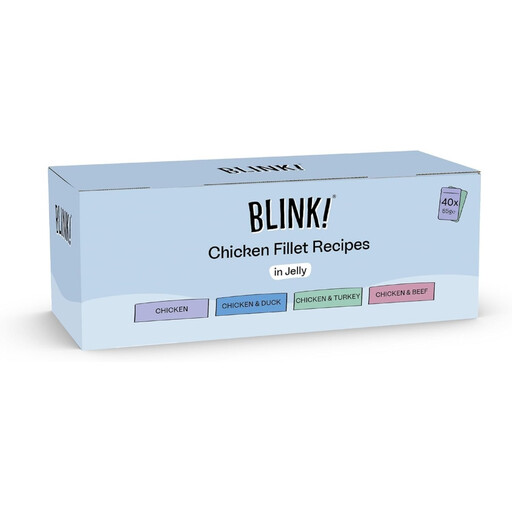
Why This Fits Their Persona: This owner prioritises transparent, high-quality ingredients and wants to avoid common fillers and allergens. They are willing to invest in a product with a clear, simple recipe for their cat's well-being.
It directly counters the "named meat mirage" by stating a high percentage of a single protein source (65% UK chicken breast). It also avoids the "empty filler" trap by being a grain free cat food.
Features a high, specified meat content from a quality source. The simple, grain-free recipe is suitable for cats with sensitive digestion.
We have compiled a complete, real-time list of products that fully satisfy these strict selection criteria and UK safety regulations.
To avoid an upset stomach, transition your cat to a new food gradually. Start by mixing a small amount of the new food (around 25%) with their old food (75%). Over the next 7-10 days, slowly increase the proportion of the new food until you have fully switched over.
This depends on your cat's weight, age and activity level. Most brands provide a feeding guide on the packaging, which is a good starting point. For an average 4kg adult cat, this is often around 3 to 4 85g pouches per day, split into at least two meals. You can also mix-feed with dry food, but remember to adjust the portions accordingly to avoid overfeeding.
The primary difference is texture and composition. Cat food in jelly is set with gelling agents and is a great way to increase your cat's water intake. Gravy is a liquid sauce, often thickened with starches. While some cats have a strong preference, the most important factor is the quality of the meat and the overall nutritional profile of the food, not just the sauce it comes in.