
24/7 Customer Support

Free returns

Same-day & Next-day Delivery

Quality Guaranteed

Unlock Your Welcome Offers: FREE Delivery | Up to 80% OFF | Free 30-day JoyPlus trial
Download the APP
As a dog owner, there's nothing more concerning than seeing your companion struggle with digestive discomfort. Whether it's loose stools, excessive wind or a general lack of appetite, a sensitive stomach can affect their happiness and overall wellbeing. Choosing the right food is a crucial step in managing these issues. This guide is designed to help you navigate the options and find a suitable wet dog food for sensitive stomachs, focusing on gentle, high-quality ingredients that support digestive health.
Finding the right food involves looking past the marketing and focusing on the label. Here are a few practical points to consider when making your selection.
A common approach for dogs with sensitive digestion is to use food with a limited number of ingredients. Look for recipes that lead with a single, high-quality protein source like chicken, turkey or salmon. Many owners find that a grain-free wet dog food formula helps, as common grains like wheat and corn can sometimes be triggers for digestive upset. Always check for the absence of artificial colours, flavours and preservatives, which can add an unnecessary burden to a sensitive system.
Certain ingredients are specifically included to promote a healthy gut. Prebiotics, such as Fructo-oligosaccharides (FOS) and Mannan-oligosaccharides (MOS), are beneficial fibres that feed the good bacteria in your dog's gut, aiding in dog food for sensitive digestion. Easily digestible carbohydrates, such as wholegrain rice or sweet potato, can also provide a gentle source of energy without causing irritation.
If you have a fussy eater or are still identifying trigger ingredients, a natural wet dog food multipack can be an excellent choice. It allows you to offer different flavours, keeping mealtimes interesting while sticking to a consistent, gentle formula. Bulk packs also offer better value and convenience, ensuring you always have a suitable meal on hand.
Here are our recommendations for wet dog foods formulated with digestive sensitivity in mind.
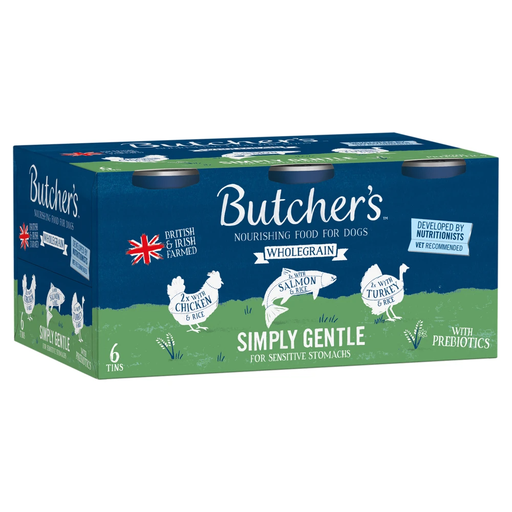
Why It Stands Out: This recipe is specifically formulated to be gentle on a dog's digestion. It includes wholegrain rice, a slow-release energy source that is easy on the stomach, and combines it with beneficial prebiotics (FOS and MOS) to actively support gut health. The use of British and Irish farmed meat provides a trusted source of protein.
Pros:
Who is it for? This is a great option for owners looking for a complete and balanced meal that contains specific ingredients known to support a healthy digestive system.
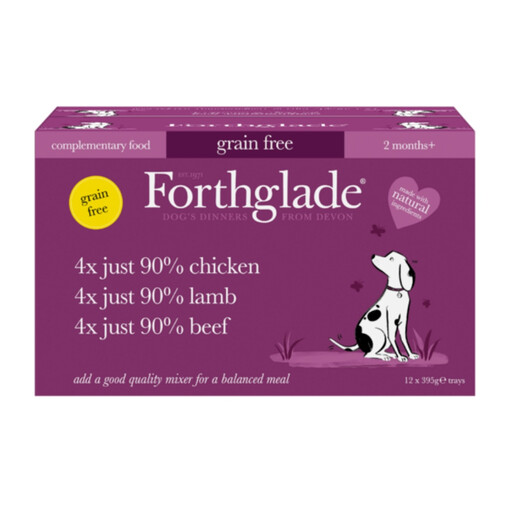
Why It Stands Out: Forthglade's "Just" range is celebrated for its simplicity and high meat content. This grain-free wet dog food is gently steamed to retain nutrients and flavour, making it highly palatable and digestible. Its straightforward recipe, free from fillers and artificial additives, makes it a strong candidate for dogs with food sensitivities or for owners who prefer a limited-ingredient diet.
Pros:
Who is it for? Ideal for owners seeking a high-quality, grain-free food with minimal ingredients. It can be served as a complete meal or as a tasty topper to mix with dry kibble.
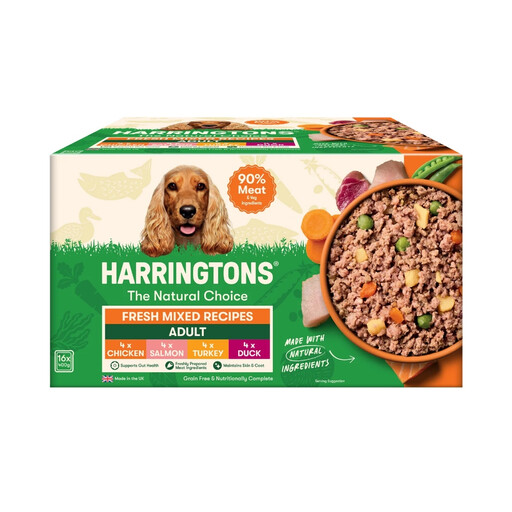
Why It Stands Out: This bumper pack from Harringtons offers excellent value and variety without compromising on quality. The grain-free recipe features a high meat content (65% meat) and is enriched with a blend of botanicals like seaweed, parsley and rosehip for added nutritional benefits. The inclusion of salmon oil also provides Omega fatty acids to support skin and coat health.
Pros:
Who is it for? A practical choice for households with multiple dogs or for owners who want to stock up on a reliable, nutritious and gentle dog food UK option that offers great variety.
Every dog's dietary needs are unique, and sometimes finding the perfect match requires exploring different protein and vegetable combinations. If your dog enjoys red meat and you're looking for more variety, you may find a suitable option in our wider collection.
Explore our full range of Beef & Vegetables Dog Food for more choices.
1. What are the signs my dog has a sensitive stomach? Common indicators include inconsistent or loose stools, excessive wind, vomiting after meals, a gurgling stomach or a reluctance to eat. While a diet change can help, it is important to consult a veterinarian if symptoms are severe, persistent or accompanied by other signs of illness.
2. Is grain-free food always better for sensitive digestion? Not always. A true grain allergy is less common than sensitivities to certain proteins. While many dogs thrive on a grain-free diet, others digest high-quality, gentle grains like rice or oats without any issue. A hypoallergenic dog food, which often uses a novel protein and limited ingredients, can be a useful tool for identifying specific triggers. The key is to find what works for your individual dog.
3. How should I switch my dog to a new food? To avoid causing further digestive upset, transition to a new food gradually over 7-10 days. Start by mixing a small amount of the new food (around 25%) with their current food. Every few days, slowly increase the proportion of the new food while decreasing the old, until you are feeding 100% of the new diet.