
24/7 Customer Support

Free returns

Same-day & Next-day Delivery

Quality Guaranteed

Unlock Your Welcome Offers: FREE Delivery | Up to 80% OFF | Free 30-day JoyPlus trial
Download the APP
Choosing the right food for your dog can feel like a significant responsibility. With so many options on the shelves, it's easy to feel overwhelmed by claims and ingredient lists. You want to provide a meal that is not only delicious but also packed with the nutrition your companion needs to thrive.
As a Joybuy Product Recommendation Officer, my role is to help you navigate these choices. This guide is designed to offer practical advice on selecting a high-quality wet dog food, breaking down what to look for and presenting a few carefully considered recommendations available in the UK.
Before diving into specific products, understanding a few key principles can make your decision much easier.
When selecting your dog's main meal, it's vital to distinguish between 'complete' and 'complementary' foods. A complete dog food is formulated to provide all the nutrients your dog needs in a single meal, including the right balance of proteins, fats, vitamins and minerals. Complementary foods, often called toppers, are designed to be added to a complete meal for extra flavour or texture but are not nutritionally sufficient on their own.
The quality of a dog food is reflected in its ingredients. Look for recipes that list a high percentage of clearly named meat or fish (e.g., "fresh chicken," "lamb") as the first ingredient. This is often a marker of a high-quality natural dog food.
For dogs with specific dietary needs, you may want to consider specialised formulas. A grain free dog food can be a suitable option for dogs with known grain sensitivities. Similarly, a hypoallergenic dog food is formulated without common allergens like wheat, dairy and soya, making it a gentle choice for a sensitive stomach dog food.
Wet dog food is available in various formats, including trays, pouches and traditional canned dog food. A dog food multipack can be a convenient and cost-effective way to provide variety in your dog's diet, allowing you to rotate flavours and keep mealtimes interesting.
Based on their formulations, ingredient quality and suitability for different needs, here are a few standout options for adult dog food.
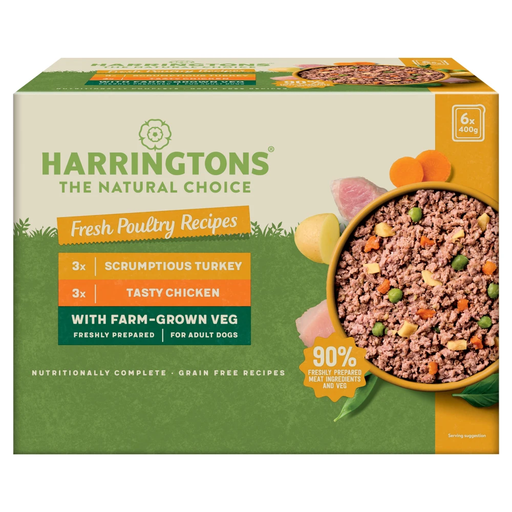
Why It Stands Out: This recipe from Harringtons is notable for its high meat content and gentle cooking process. The food is steam-cooked to help preserve the natural nutrients and flavours of its ingredients. Its formula is specifically designed to be hypoallergenic, making it a strong candidate for dogs with sensitivities.
Pros:
Who is it for? This is an excellent choice for owners seeking a high-protein, natural dog food that is gentle on the digestive system. It's particularly well-suited for dogs that may have a sensitive stomach or require a grain-free diet.
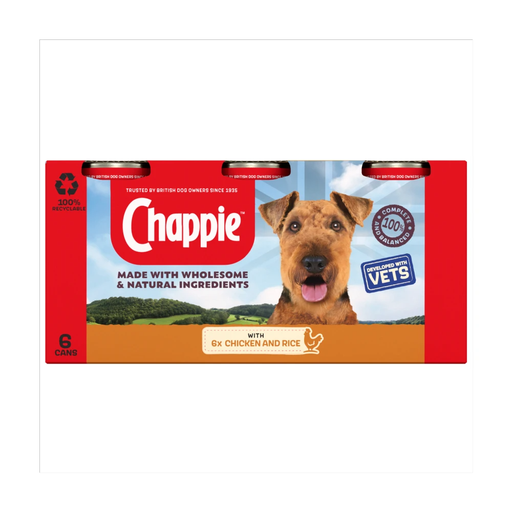
Why It Stands Out: Chappie is a long-established brand, and its formula was developed with nutritionists and veterinarians at the Waltham Petcare Science Institute. It is known for being easily digestible and is often recommended by vets for its straightforward, balanced formulation.
Pros:
Who is it for? This is a reliable and often affordable option for owners looking for a vet-approved adult dog food. Its easily digestible formula makes it a classic choice for dogs of all types, including those with more delicate digestive systems.
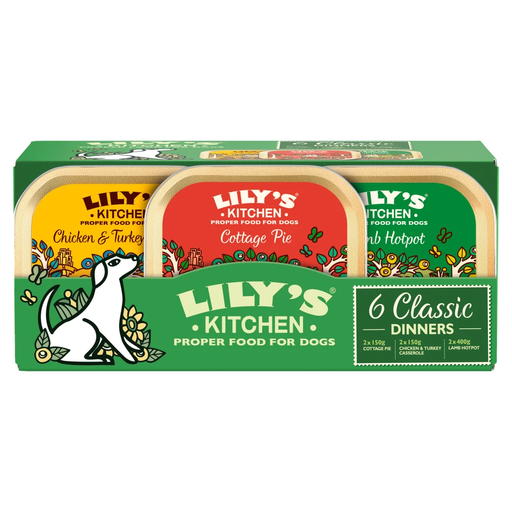
Why It Stands Out: Lily's Kitchen focuses on using "proper food" for dogs, meaning freshly prepared meat and offal with no meat meal, bone meal or other rendered meats. This multipack offers a variety of recipes, each packed with wholesome vegetables and botanical herbs.
Pros:
Who is it for? This is an ideal choice for health-conscious owners who prioritise premium, natural dog food made with a diverse range of recognisable ingredients. It's perfect for those who want to avoid common fillers and provide their dog with a varied, flavourful diet.
Every dog has unique preferences and dietary needs. If these selections aren't quite the right fit for your companion, there are many other excellent choices available.
Explore our full range of adult dog food to find the perfect match for your dog's health and happiness.
1. Is wet dog food better than dry food? Both wet and dry dog food can provide complete nutrition. Wet food has a high moisture content, which is great for hydration and is often more palatable for picky eaters. Dry food (kibble) can be more convenient to store, is often more cost-effective and its crunchy texture can help with dental cleaning. Many owners find that a mixed-feeding approach, combining both wet and dry, offers a good balance.
2. How much wet food should I feed my dog? The feeding guide on the product's packaging is the best starting point. The correct portion size depends on your dog's age, breed, weight and daily activity level. It is always a good practice to monitor your dog's body condition and adjust portions as needed. If you are unsure, consulting your veterinarian for personalised advice is recommended.
3. Can I switch my dog to a grain-free diet? A grain free dog food can be beneficial for dogs that have a diagnosed grain allergy or a specific sensitivity. However, grains can be a healthy source of carbohydrates and nutrients for many dogs. It is not a necessary switch for every dog. Before making any significant changes to your dog's diet, it is always wise to speak with your vet to ensure it aligns with their specific health requirements.