
24/7 Customer Support

Free returns

Same-day & Next-day Delivery

Quality Guaranteed

Unlock Your Welcome Offers: FREE Delivery | Up to 80% OFF | Free 30-day JoyPlus trial
Download the APP
As dog owners, we all want to provide the very best for our companions, and that starts with their diet. The aisle of wet dog food can be a confusing place, with bright packaging and bold claims all competing for your attention. It’s easy to feel overwhelmed or, worse, misled into buying a product that doesn’t live up to its promises.
As a Joybuy Product Recommendation Officer, my role is to help you navigate this market. We'll look past the marketing hype and focus on what truly matters for your dog's health and happiness. Let's start by uncovering a few common pitfalls that many UK dog owners encounter.
grain free dog food is essential for dogs with specific grain allergies or sensitivities, it isn't automatically a sign of superior quality. Some formulas replace grains with other fillers like potato or pea starch, which can be high in calories without adding significant nutritional value. The focus should be on the overall quality and digestibility of the ingredients, not just the absence of one type.natural wet dog food recipes. While using natural ingredients is a positive, the term "natural" is not strictly regulated in pet food. More importantly, a food can be natural but nutritionally incomplete. A "complementary" food, for instance, is intended as a topper or treat and lacks the full range of vitamins and minerals your dog needs for a balanced diet.To ensure you're making a sound choice, focus on these core parameters. They will help you see beyond the packaging and assess the true quality of the food.
The ingredients are listed by weight, so the first few items make up the bulk of the food.
dog food for sensitive stomachs, look for ingredients like prebiotics (MOS or FOS) which support gut health. For puppies, ingredients like DHA (from fish oil) are important for brain development.This is one of the most critical distinctions to understand.
Your dog's needs change as they grow, and your lifestyle can influence the best format.
Wet puppy food is formulated with higher levels of protein, fat and specific nutrients like calcium to support rapid growth. Adult and senior foods are tailored to maintenance and age-related support.dog food multipack of dog food pouches offers portion control and convenience, which is ideal for smaller breeds or for maintaining freshness.Based on these practical criteria, here are a few recommendations matched to different owner needs.
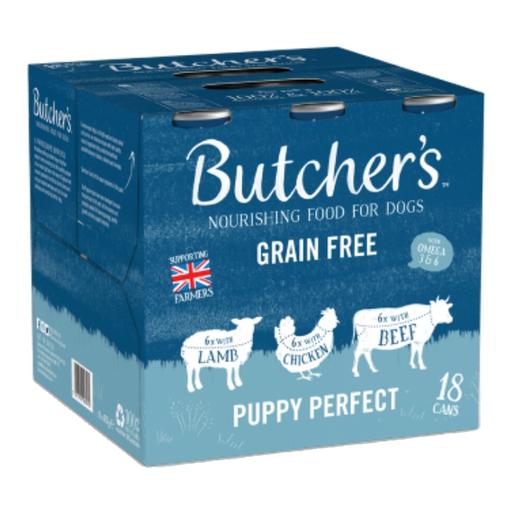
Why This Fits Their Persona: For new puppy owners in the UK, this provides peace of mind. It's a complete food specifically designed for a puppy's first year, taking the guesswork out of their crucial developmental stage. The multipack format ensures you're well-stocked.
It is a complete and balanced meal, not just a "natural" but incomplete food. The formula is also grain-free and gentle, addressing concerns about fillers without sacrificing nutrition.
Enriched with DHA for brain development and prebiotics for digestion—key nutrients for a growing puppy.
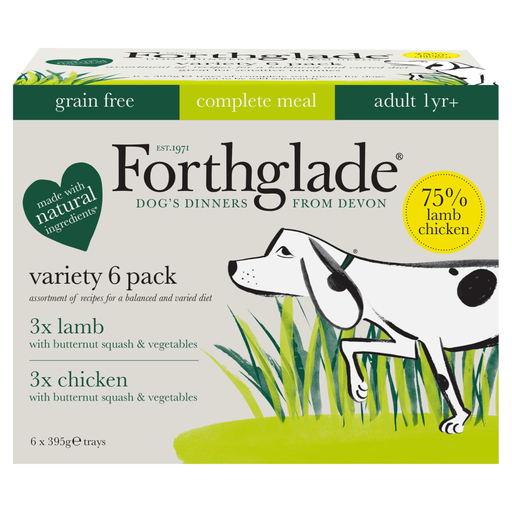
Why This Fits Their Persona: This is an excellent choice for owners managing a dog with a sensitive stomach. The gently steamed, grain-free and hypoallergenic recipe is designed for easy digestion, while the high meat content appeals to picky eaters.
It sidesteps the vague "meat" trap by clearly stating a 75% named meat content (Lamb or Chicken). It's also a complete meal, providing full nutrition, not just "natural" appeal.
Includes added glucosamine and chondroitin for joint support, plus botanicals and chicory root to aid digestion.
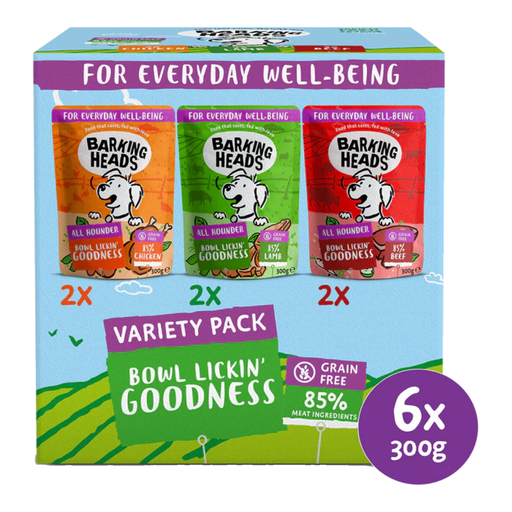
Why This Fits Their Persona: For the busy UK professional, these `dog food pouches` offer the ultimate convenience without compromising on quality. The variety pack keeps mealtime interesting and the single-serve pouches are perfect for quick, no-mess feeding.
This food features an impressive 85% named meat content, completely avoiding the vague "derivatives" pitfall. It is a complete, grain-free meal that delivers on its quality promise.
Extremely high meat content for palatability and protein, combined with the convenience of a varied `dog food multipack` in easy-to-store pouches.
We have compiled a complete, real-time list of products that fully satisfy these strict selection criteria and UK safety regulations.
To avoid digestive upset, it's important to transition your dog to a new food gradually. Start by mixing a small amount of the new food (around 25%) with their old food (75%). Over 7-10 days, slowly increase the proportion of the new food while decreasing the old, until you are feeding 100% of the new recipe.
Once a tin or pouch of wet dog food is opened, it should be covered and stored in the refrigerator. Most manufacturers recommend using the contents within two to three days to ensure it remains fresh and safe for your dog to eat. Always check the packaging for specific storage instructions.
Neither is inherently "better"; they simply have different benefits. Wet food is highly palatable, which can be great for fussy eaters, and its high moisture content helps with hydration. Dry food (kibble) is often more economical, convenient to store and can help with dental hygiene through chewing. Many owners find that a mixed diet, combining both wet and dry food, offers their dog the benefits of both.