
24/7 Customer Support

Free returns

Same-day & Next-day Delivery

Quality Guaranteed

Unlock Your Welcome Offers: FREE Delivery | Up to 80% OFF | Free 30-day JoyPlus trial
Download the APP
Choosing the right food for your dog can feel like navigating a minefield of marketing claims and confusing labels. As a dog owner in the UK, you want to provide nutritious, enjoyable meals, but the sheer variety of wet dog food can be overwhelming. Before you make your next purchase, it's important to understand a few common pitfalls that can lead to you choosing a less-than-ideal option for your companion.
As the Joybuy Product Recommendation Officer, my role is to help you see past the hype and focus on what truly matters in your dog's bowl. Let's look at some frequent issues.
grain free dog food is essential for dogs with specific grain allergies or sensitivities, it is not automatically a healthier choice for every dog. Some grain-free formulas replace grains with high-starch alternatives like potato or pea flour, which may not be ideal. The focus should always be on the overall quality and digestibility of the ingredients, not just the absence of one category.natural dog food is appealing, but it is not a legally protected term with a strict definition. A product can be labelled as "natural" yet still contain heavily processed ingredients or low-quality meat by-products. True quality lies in a clear, understandable ingredients list.To make an informed choice, focus on these core parameters. They will help you assess the quality of any wet dog food regardless of the branding.
The ingredients list is your most powerful tool. It is always ordered by weight, so the first few ingredients make up the majority of the food.
sensitive stomach dog food, easily digestible carbohydrates like rice or sweet potato are often preferable to wheat or soya.Many dogs have specific dietary needs. Here is a quick breakdown of what common terms mean in practice:
The format affects convenience, portion size and cost.
dog food multipack. They are ideal for larger dogs or households with multiple dogs.Puppy food pouches are particularly useful for ensuring small, fresh meals.Dog food in gravy can be useful for encouraging fussy eaters, while dog food in jelly is often a cleaner option to serve.Based on these practical criteria, here are some options suited to different needs and priorities.
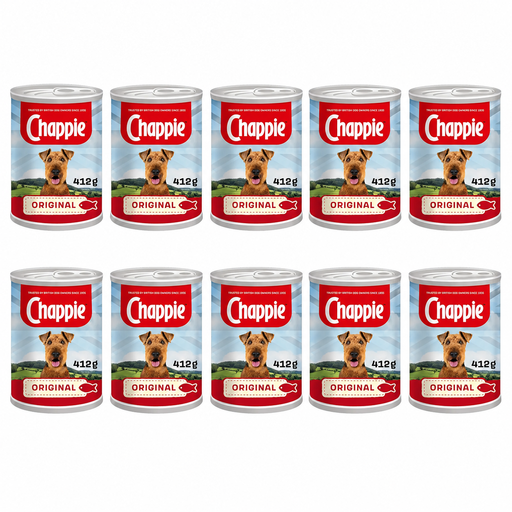
Why This Fits Their Persona: This is a classic, reliable choice for UK dog owners seeking complete and balanced nutrition without a premium price. The large 10-tin multipack offers excellent economy for daily feeding.
It doesn't rely on trendy marketing terms. It's an established, easily digestible formula that is upfront about its use of cereals and has been trusted by dog owners for decades.
Formulated to be easy on a dog's digestion. Provides complete nutrition at a very accessible price point, making it a practical choice.
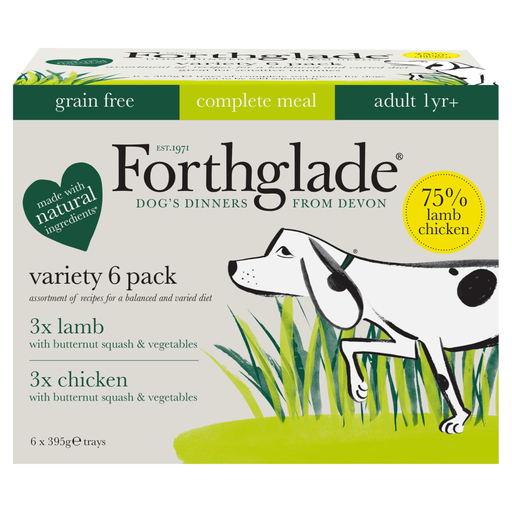
Why This Fits Their Persona: Perfect for owners who prioritise natural, high-quality ingredients. This food is grain-free, hypoallergenic and made in Devon, appealing to those with dogs who have sensitive digestion or who simply want a high-meat-content diet.
This food's label is exceptionally clear. It specifies a 75% named meat content (Lamb or Chicken), completely avoiding the "4% meat" trap and vague derivative terms. It is a genuinely natural and grain-free option.
Very high meat content for a complete wet food. Includes added botanicals plus glucosamine and chondroitin for joint support, making it a well-rounded choice.

Why This Fits Their Persona: This is an ideal choice for owners of dogs that are less active, prone to weight gain or on a calorie-controlled diet. The convenient 150g trays make portion control simple and effective.
Instead of just a vague "light" claim, this product is specific, stating it contains 20% less fat. It backs this up with a functional ingredient, L-Carnitine, to help convert fat to energy, providing a clear benefit.
Specifically formulated for weight management with a low fat content (2.5%). Contains wholegrain rice for fibre and slow-release energy, helping dogs feel fuller for longer.
We have compiled a complete, real-time list of products that fully satisfy these strict selection criteria and UK safety regulations.
Yes, mixing wet and dry food (sometimes called 'topping' or 'mixed feeding') is a popular choice. It can make meals more appealing for fussy eaters and adds moisture to a dog's diet. When mixing, it is important to reduce the portion of each food type to avoid overfeeding. As a general guide, you can check the packaging for specific recommendations, but a common substitution is replacing 40-50g of dry food with 200g of wet food.
The correct amount depends on your dog's age, breed, weight and activity level. All complete wet dog foods will have a feeding guide on the packaging. These are a starting point, and you should monitor your dog's body condition and adjust the amount accordingly. If you are unsure, it is always a good idea to consult your vet.
Once a tin, tray or pouch of wet dog food is opened, it should be covered and stored in the refrigerator. Most manufacturers recommend using the food within 48 hours (or 2 days) to ensure it remains fresh and safe for your dog to eat. Always serve the food at room temperature, as some dogs may not like eating cold food straight from the fridge.