
24/7 Customer Support

Free returns

Same-day & Next-day Delivery

Quality Guaranteed

Unlock Your Welcome Offers: FREE Delivery | Up to 80% OFF | Free 30-day JoyPlus trial
Download the APP
A wet and dry vacuum cleaner can remove crumbs, dust, liquid spills and sticky marks in one cleaning routine. However, not every model suits every home. Some are designed mainly for sealed hard floors, while others can handle carpets, upholstery, stairs or car interiors.
The difference between a useful all-in-one cleaner and an expensive appliance that stays in the cupboard often comes down to three things: floor compatibility, maintenance requirements and realistic battery performance.
A wet and dry floor cleaner may be suitable for tiles, vinyl and sealed laminate but unsuitable for unsealed wood or water-sensitive surfaces. Always check the manufacturer’s stated floor compatibility before use.
A steam floor cleaner requires particular caution. Heat and moisture can damage some laminate, wood and painted surfaces, so steam should not be treated as a universal cleaning solution.
A high Pa figure can look appealing, but suction is only one part of performance. Brush design, water flow, edge cleaning, filtration and the ability to separate clean and dirty water also affect everyday results.
For example, a cordless vacuum mop with separate water tanks may be more practical for liquid spills than a dry vacuum with a detachable mop attachment. Conversely, a conventional wet and dry vacuum with a large debris container may be more suitable for garages, cars and DIY mess.
A self-cleaning vacuum mop still needs attention. The dirty-water tank, filter, brush roll and seals generally require emptying, rinsing or drying after use. If these components remain damp, unpleasant odours can develop.
Look for practical features such as centrifugal or hot-air drying, removable filters, accessible brush rolls and clear maintenance instructions. These features can reduce the effort involved, but they do not eliminate routine care.
Decide whether you need a dedicated hard floor cleaner, a multi-surface floor cleaner or a workshop-style wet and dry vacuum.
Do not assume that a product described as “multi-surface” is appropriate for every material. Confirm the listed surfaces and follow the supplied instructions.
For a cordless wet and dry vacuum cleaner, compare the quoted runtime with how you intend to use it. Floor-washing mode usually consumes more power than dry vacuuming.
Also check:
A model offering up to 30 minutes may suit a flat or quick daily clean, while larger homes may benefit from a runtime of 40 minutes or more. Advertised runtimes can vary according to cleaning mode, surface and power setting.
For homes with pets, check whether the brush roll is designed to manage hair and whether replacement rollers or filters are available. Dual-sided edge cleaning can help collect dirt near skirting boards, while a lie-flat design may reach beneath low furniture.
Separate clean- and dirty-water systems are preferable for floor washing because they reduce the likelihood of spreading used water across the floor. If the product includes hot-water washing or drying, verify the temperatures and cycle duration listed in the specification rather than relying on general marketing language.
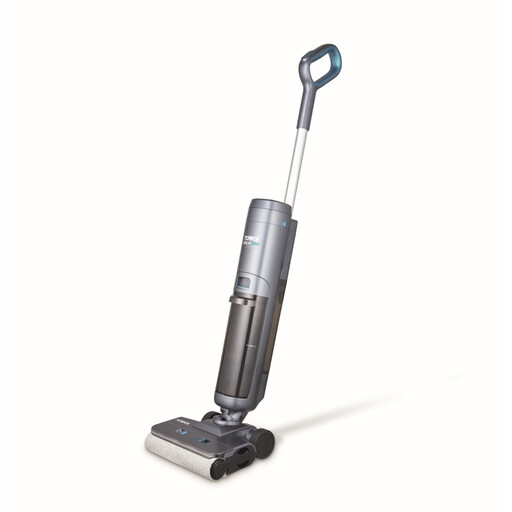
Why This Fits Their Persona: A straightforward option for UK households wanting cordless floor washing without a large collection of attachments. It is specified for sealed hard floors and offers up to 30 minutes of runtime.
Its stated sealed-hard-floor limitation makes the intended use clearer, helping buyers avoid using a wet cleaner on unsuitable unsealed surfaces.
650 ml clean-water tank, 550 ml dirty-water tank, one-touch controls and a self-cleaning function.
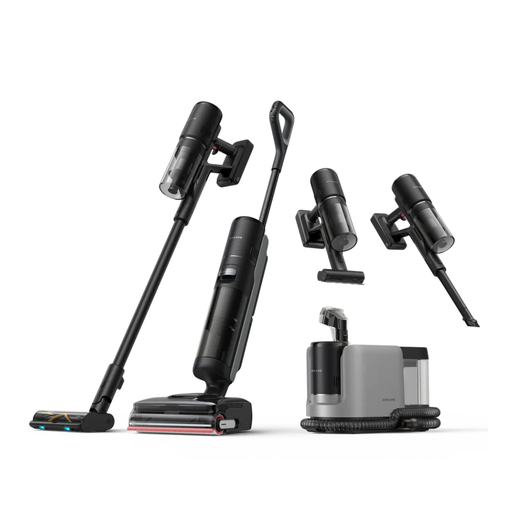
Why This Fits Their Persona: Its 7-in-1 format is intended for households that want one cordless appliance for floors, furniture, upholstery, gaps and car cleaning.
The listed modes and accessories make its wider functionality more specific than a generic all-in-one claim.
Up to 65 minutes in floor-wash mode, 23,000 Pa listed suction and a removable battery.
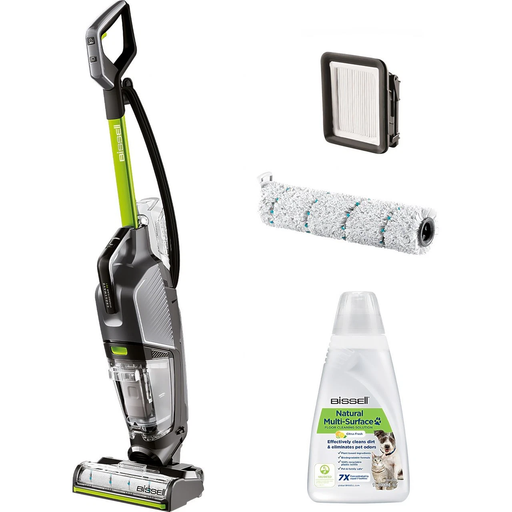
Why This Fits Their Persona: A corded choice for pet-owning households that regularly deal with sticky spills, pet hair and sealed hard floors or area rugs.
The cord removes battery-runtime limitations, while the stated dual-tank system avoids relying on one shared water reservoir.
HydroSteam mode, 7.5-metre cable, self-cleaning cycle and separate 0.82-litre and 0.62-litre tanks.
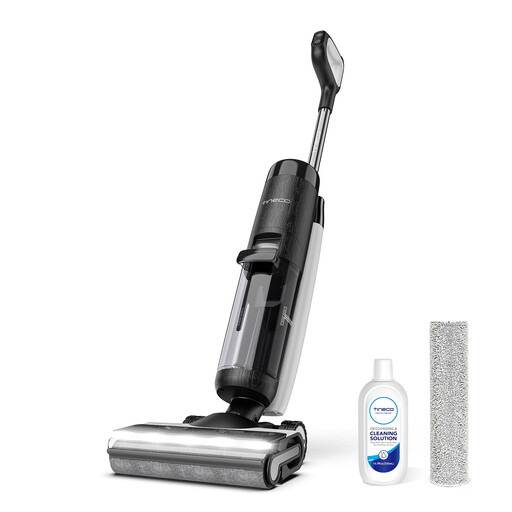
Why This Fits Their Persona: Suitable for users who prioritise cordless floor washing, guided cleaning adjustments and easier movement around furniture.
Its stated dual-sided edge cleaning and self-cleaning cycle address missed skirting-board dirt and difficult brush maintenance.
Up to 40 minutes of runtime, cleaning within 0.4 inch on both sides and centrifugal roller drying.
We have compiled a complete, real-time list of products that fully satisfy these strict selection criteria and UK safety regulations.
Some models support carpets or rugs in dry-vacuum mode, but others are intended only for sealed hard floors. Check the product specification before use. A wet floor-washing function should not automatically be used on carpet unless the manufacturer specifically permits it.
Runtime varies by mode and surface. Around 30 minutes may suit smaller homes or quick cleaning sessions, while larger households may prefer 40 minutes or more. Floor washing generally uses more battery power than standard dry vacuuming.
Electricity use depends on motor power, charging frequency and cleaning duration. Cordless models also require periodic filter, roller and battery maintenance. Choosing separate clean- and dirty-water tanks, washable filters and readily available replacement parts can help control ongoing ownership costs.