
24/7 Customer Support

Free returns

Same-day & Next-day Delivery

Quality Guaranteed

Unlock Your Welcome Offers: FREE Delivery | Up to 80% OFF | Free 30-day JoyPlus trial
Download the APP
As a Joybuy Product Recommendation Officer, my role is to help you navigate the crowded pet food market. When a new kitten joins your family, choosing the right food can feel overwhelming. The shelves are filled with bright packaging and appealing claims, but not all options are created equal. This guide will help you understand what truly matters in a wet kitten food multipack, ensuring you provide the best start for your new companion without falling for common marketing traps.
Before you fill your basket, be aware of a few common issues that can lead to wasted money and a fussy feline.
To make an informed choice, focus on these three non-negotiable factors. They are the true indicators of a quality wet kitten food.
Kittens have immense energy and growth needs, requiring a diet much richer in protein than an adult cat. The same applies to food for nursing cats, who need extra protein to produce milk and recover their strength.
Wet food is excellent for keeping your kitten hydrated, which is vital for urinary tract health. However, the form it comes in can be a deal-breaker for your pet.
This links directly to avoiding the bulk-buying trap. Multipacks are convenient and cost-effective, but only if your kitten will eat them.
Based on these practical criteria, here are two options that align with the needs of different UK kitten owners.
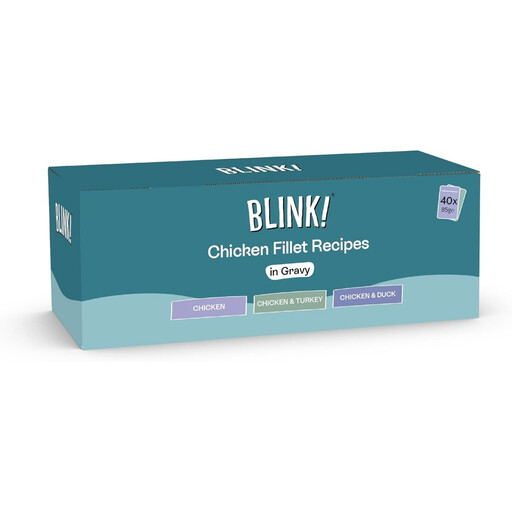
Why This Fits Their Persona: Ideal for breeders, multi-kitten households or owners of a pregnant/nursing queen. The large 40-pouch format offers great value, while the high-quality formulation provides the necessary nutrition for rapid growth and recovery.
It sidesteps the "complete nutrition" illusion by using a high percentage of named UK-sourced meats (e.g., 58.5% chicken breast). The three-flavour variety reduces the risk of flavour fatigue associated with bulk buying.
Features a 14.5% protein content, ideal for growth. It is also specifically formulated as a suitable food for nursing cats, making it a versatile choice for breeders.
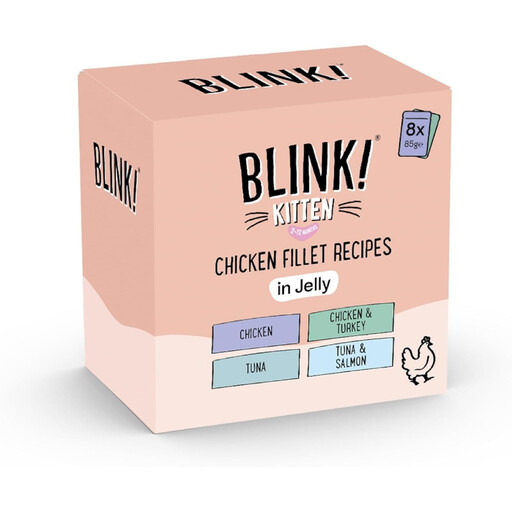
Why This Fits Their Persona: Perfect for a new kitten owner who is still discovering their pet's preferences. This smaller 8-pouch pack minimises waste and allows you to test four different high-quality protein sources without a big upfront cost.
This is the antidote to the "bulk-buying gamble." With four flavours (Pure Chicken, Chicken & Turkey, Tuna and Salmon), you can quickly identify what your kitten enjoys before committing to a larger purchase.
This is a grain-free recipe with 100% natural ingredients and no added salt or sugar. The wide variety of poultry and fish is excellent for tempting fussy eaters.
We have compiled a complete, real-time list of products that fully satisfy these strict selection criteria and UK safety regulations.
1. How much wet food should my kitten eat each day? This depends on their age and weight. As a general guide, a kitten aged 3-4 months might need 2-3 pouches (85g each) per day, while a 4-9 month old may need 3-4 pouches. These should be split into several small meals throughout the day. Always check the feeding guide on the specific product packaging and ensure fresh drinking water is available.
2. Can I mix wet and dry kitten food? Yes, this is a common and often recommended practice. It offers the hydration and palatability of wet food alongside the dental benefits and convenience of dry kibble. Many owners feed 50% wet and 50% dry food, but you can adjust the ratio based on your kitten's needs and your vet's advice.
3. Is grain-free food always the better choice for kittens? Not necessarily. A grain-free diet is crucial for kittens with a diagnosed grain allergy or intolerance. For most kittens, however, the quality and digestibility of the protein and fat sources are far more important than the absence of grains. A food with high-quality named meat and some digestible grains can be just as nutritious as a grain-free one filled with low-quality protein.