
24/7 Customer Support

Free returns

Same-day & Next-day Delivery

Quality Guaranteed

Unlock Your Welcome Offers: FREE Delivery | Up to 80% OFF | Free 30-day JoyPlus trial
Download the APP
Wet wipes can solve a practical problem quickly, whether you need a face wipe after a late journey, toilet wipes for work, adult care wipes for a relative or household cleaning wipes for a kitchen spill. However, choosing by a colourful label or a low price alone can lead to dry packs, irritated skin or unsuitable disposal.
This guide explains the specifications that matter, highlights common purchasing traps and matches different types of wet wipes to everyday UK needs.
A wipe may be described as biodegradable, plant-based or plastic-free, but that does not automatically mean it should go down the toilet. Face wipes, body cleansing wipes and many hygiene wipes must normally be placed in general waste.
Even toilet wipes marketed as flushable should be used only as directed. Check the pack for the maximum number per flush and follow local water and sewerage guidance. When in doubt, place used wipes in a bin. Never flush make-up remover wipes, antibacterial wipes, household cleaning wipes or adult care wipes.
Fragrance, essential oils, alcohol and preservatives may not suit everyone. A “gentle” description is not a substitute for checking the ingredient list. People with sensitive skin may prefer fragrance-free wipes, alcohol-free formulas and simple ingredient lists. Stop using a product if redness, discomfort or irritation develops.
Bulk packs can reduce the cost per wipe, but only if the closure protects the moisture. A loose adhesive label can allow the first sheets to dry before the pack is finished. Look for a resealable lid or secure closure, and store wipes away from direct sunlight and heat. Individually wrapped travel wipes can be more practical for handbags, gym bags and office drawers.
Choose the product category for the job. Face wipes and cleansing wipes are formulated for facial skin and may be designed to remove make-up, SPF and daily dirt. Toilet wipes are intended for external personal hygiene, while body cleansing wipes and adult care wipes are generally larger and more durable for broader cleaning.
Do not use household cleaning wipes on skin. Antibacterial wipes for hands or body should be used only where the label specifically states that application is suitable. Surface cleaners can contain ingredients that cause eye or skin irritation.
For occasional facial cleansing, a soft, standard-size sheet may be sufficient. For caring tasks, camping or a no-rinse wash, dimensions and fabric weight become more important. Extra-large wipes around 20 x 30 cm can cover more area, while thicker materials are less likely to tear during use.
Plant-based fibres may be preferable if you are trying to reduce conventional plastic in the wipe material, but material claims should be read alongside disposal instructions. Biodegradable does not mean litter-safe, and a wipe should never be left outdoors.
For sensitive skin, consider fragrance-free, alcohol-free and hypoallergenic-labelled options, while still reviewing the full ingredients list. For facial products, ingredients such as glycerin, panthenol, aloe vera or vitamin E can contribute to a comfortable after-feel, but individual tolerance varies.
For household products, check surface compatibility. Cleaning wipes and sprays may not be suitable for untreated wood, aluminium, copper, brass or painted surfaces. Test an inconspicuous area first and follow any instructions about rinsing before food preparation.
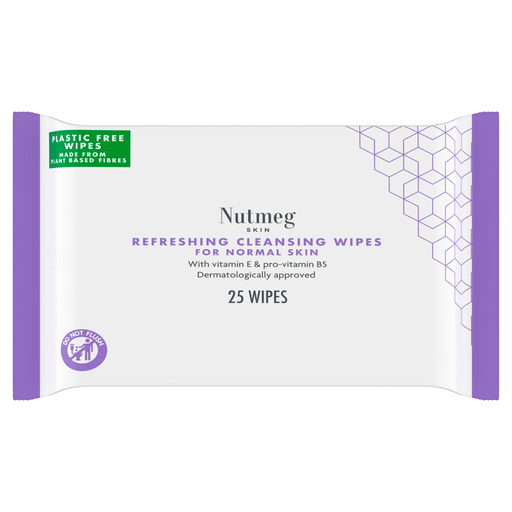
Why This Fits Their Persona: A 25-wipe facial pack provides a straightforward option for normal or combination skin, useful for occasional make-up removal, commuting and everyday cleansing.
The pack states that it is made from plastic-free, plant-based fibres and clearly says to dispose of used wipes in a bin rather than flush them.
Contains Vitamin E and Pro-Vitamin B5; the pack is dermatologically approved and certified cruelty-free according to the supplied product details.
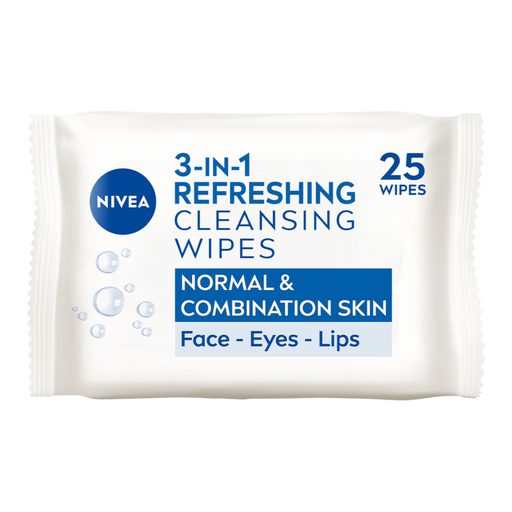
Why This Fits Their Persona: A facial cleansing option for shoppers who want a soft wipe for normal or combination skin and regular waterproof make-up removal at home or while travelling.
The product details specify a resealable pack and state clearly that the wipes should not be flushed, helping avoid moisture loss and plumbing misuse.
Contains aloe vera, hyaluronic acid and panthenol; the product description identifies the fibres as 100% plant-based.
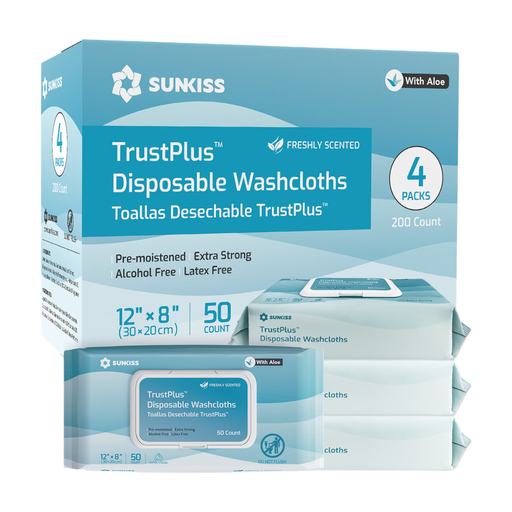
Why This Fits Their Persona: Designed for adult care, incontinence support, camping, travel and situations where a shower or basin is unavailable.
The extra-large 20 x 30 cm format and 65 gsm fabric address the problems of small, easily torn sheets. The product must be binned, not flushed.
Four packs provide 200 wipes in total; the unscented version is alcohol-free, latex-free and supplied with a resealable flip-top lid.
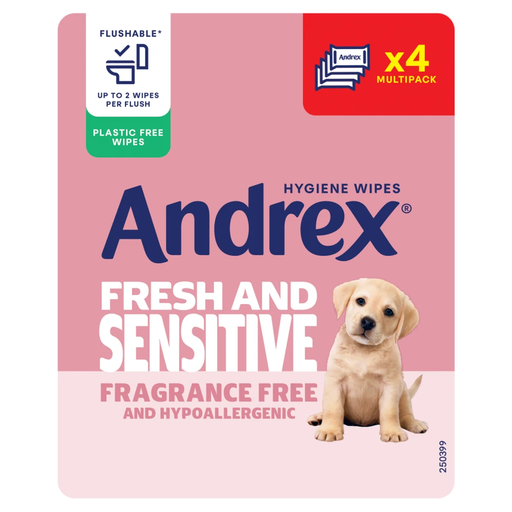
Why This Fits Their Persona: Individually convenient packs suit handbags, office storage, family bathrooms and travel when a compact personal hygiene option is useful.
The supplied details identify a 99% water-based, fragrance-free formula and specify responsible flushing of no more than two wipes at a time.
Hypoallergenic-labelled and fragrance-free; the wipe material is described as plastic-free and the pack contains four 30-sheet units.
Unless the packaging specifically gives flushing instructions, put used wipes in a lidded bin. This applies to face wipes, cleansing wipes, adult care wipes, antibacterial wipes and household cleaning wipes. Do not flush wipes labelled “do not flush”, even when they are biodegradable or plant-based.
For products labelled flushable, follow the stated limit exactly and avoid flushing several wipes together. Keep wipes away from children and never reuse single-use products.
We have compiled a complete, real-time list of products that fully satisfy these strict selection criteria and UK safety regulations.
Some are specifically labelled for sensitive skin and may be fragrance-free, alcohol-free or hypoallergenic-labelled. However, formulas differ. Check the ingredients, avoid broken skin and discontinue use if irritation occurs.
There is no single lifespan for every pack. Moisture retention depends on the closure, storage and how often the pack is opened. Reseal it immediately after removing a wipe, keep it in a cool, dry place and follow the shelf-life information on the label.
The cost depends on sheet count, pack size and frequency of use. Small travel packs usually cost more per wipe, while multipacks can reduce the unit price. For routine household cleaning, reusable cloths may be more economical; wet wipes provide convenience where water, washing facilities or laundry are not practical.