
24/7 Customer Support

Free returns

Same-day & Next-day Delivery

Quality Guaranteed

Unlock Your Welcome Offers: FREE Delivery | Up to 80% OFF | Free 30-day JoyPlus trial
Download the APP
Wet wipes can simplify nappy changes, personal hygiene, facial cleansing and quick household cleaning. However, choosing by price or a reassuring front-label claim alone can lead to wasted money, skin discomfort or unsuitable performance. The right option depends on where the wipes will be used, how often you need them and what the material and formula actually contain.
Water-based baby wipes may still contain preservatives, plant extracts, cleansers or moisturising agents. These ingredients are not automatically unsuitable, but newborns and people with sensitive or eczema-prone skin may prefer a shorter ingredient list.
Check the full ingredients panel rather than relying only on terms such as “gentle”, “natural” or “pure”. Fragrance-free wipes can also be a more practical choice when trying to reduce potential irritants.
Biodegradable wipes may break down under particular environmental conditions, but that does not mean they will safely disperse in UK drains. Even products described as toilet wet wipes or flushable should be checked against the packaging instructions and local water company guidance. For household plumbing, used wipes should generally go into the bin unless the relevant local guidance clearly states otherwise.
Baby wipes, facial cleansing wipes, disposable face towels and kitchen cleaning wipes should not be flushed.
A jumbo pack can reduce the cost per sheet, but it is poor value if the wipes dry out before use or are unsuitable for the task. Facial wipes need a skin-appropriate material and formula, while kitchen cleaning wipes need a cleaning solution designed for surfaces. Antibacterial wipes may also have specific instructions about skin contact and surface compatibility.
For newborns, premature babies and sensitive skin, look for relevant details such as:
WaterWipes Baby Wipes 6x60 Wipes list 99.9% ultra-purified water and grapefruit seed extract, with no added fragrance or alcohol according to the product information. Nutmeg Sensitive Baby Wipes use plant-based fibres with purified water and aloe vera, while BC Babycare Baby Wipes list 99% purified water and an unscented formula.
A fragrance may be acceptable for some households, but Nutmeg Fragranced Baby Wipes contain nutmeg fragrance and therefore may not be the first choice for babies or adults specifically seeking fragrance-free wipes.
Material affects comfort, strength and how many sheets you need. Plastic-free wipes commonly use plant-based fibres such as cellulose or viscose. “Plant-based” does not necessarily mean home-compostable, so follow the disposal instructions.
Thicker wipes can provide better coverage for substantial messes, potentially reducing the number used per clean-up. XL sheets, such as those in Nutmeg XL Head to Toe Wipes, can be useful for full-body freshening or larger nappy changes. For facial cleansing, a smooth side may feel more comfortable, while a textured side can help lift make-up or dirt.
Compare total sheet count, sheets per pack and the packaging closure. Resealable lids or secure flaps help retain moisture, particularly in changing bags, offices and travel luggage.
For occasional use, individually packed toilet wet wipes or compact personal hygiene packs can be more practical than a large open pack. For regular family use, multi-packs such as 3x60 or 6x60 may offer easier cupboard storage and fewer repeat purchases. Always check the stated shelf life and storage advice.
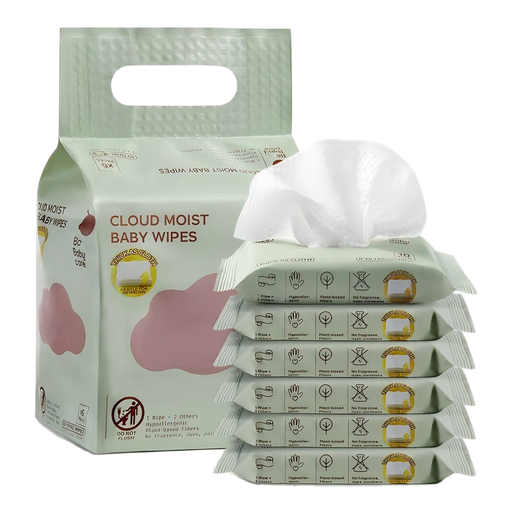
Why This Fits Their Persona: The compact 60-wipe format suits first-time buyers, changing bags and short trips where a large bulk box is unnecessary.
The listing specifies an unscented formula, plant-based cellulose material and a resealable pack, making the key purchase details easier to check.
Three-times-thicker material is listed, alongside 99% purified water and OEKO-TEX certification details.
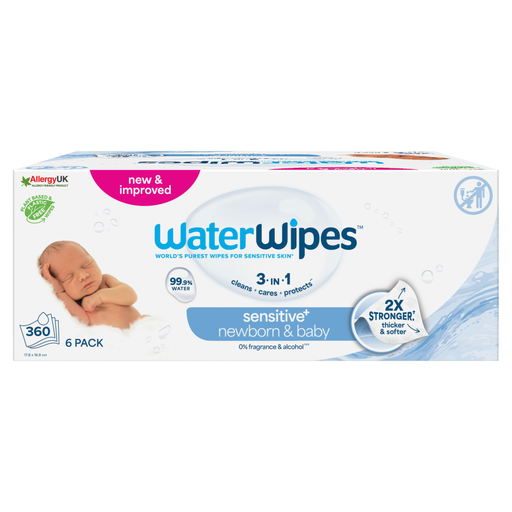
Why This Fits Their Persona: A 360-wipe bulk box is suited to households preparing for frequent nappy changes from birth and wanting a minimal listed formula.
The product information clearly lists two ingredients, no fragrance or alcohol, and plant-based wipe material rather than leaving the formula unclear.
The listed formula contains 99.9% ultra-purified water and grapefruit seed extract; the wipes are described as plastic-free and plant-based.
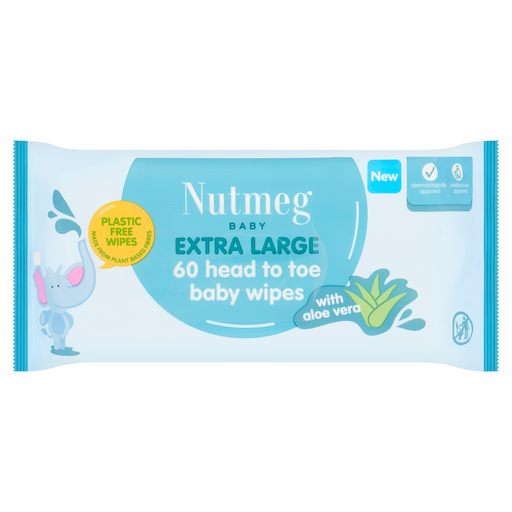
Why This Fits Their Persona: XL sheets are practical for head-to-toe freshening, larger clean-ups, nursery use and days out with children.
The product specifies sheet size, fragrance-free use and a resealable closure, avoiding the uncertainty around coverage and drying out.
The wipes are listed as 100% plastic-free, plant-based and enriched with aloe vera, with PEFC certification stated in the product details.
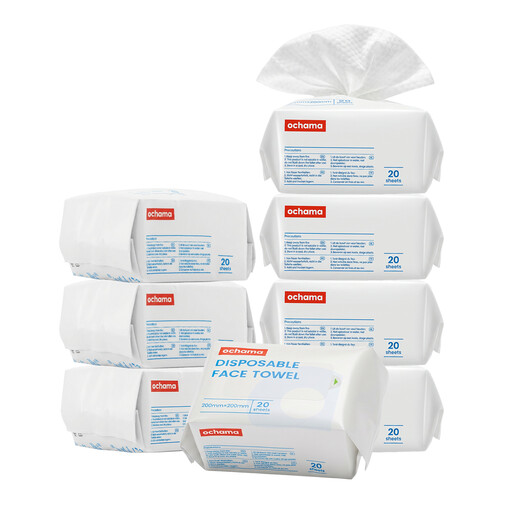
Why This Fits Their Persona: Eight compact packs suit holidays, gym bags, business travel and bathrooms where a clean face towel is convenient.
The product is described as wet and dry dual-use, with a smooth side and a textured side, so it is not being selected as a substitute for every type of cleansing wipe.
Cellulose material and a pearl-texture design are listed, with 160 sheets divided across eight packs.
We have compiled a complete, real-time list of products that fully satisfy these strict selection criteria and UK safety regulations.
Most wet wipes should go in a household waste bin, including baby wipes, facial cleansing wipes and cleaning wipes. Even products marketed as flushable may contribute to blockages, so check the packaging and follow local water company advice. Never flush wipes if the instructions say not to.
There is no single lifespan for every product. Reseal the pack immediately after each use, store it away from heat and direct sunlight, and follow the manufacturer’s guidance. Discard wipes that have dried out, changed colour or developed an unusual smell.
Not necessarily. Fragrance-free wipes remove one potential source of irritation, but the material, preservatives and other ingredients still matter. Read the full label, try a small area first where appropriate and stop using the product if redness, discomfort or irritation occurs.