
24/7 Customer Support

Free returns

Same-day & Next-day Delivery

Quality Guaranteed

Unlock Your Welcome Offers: FREE Delivery | Up to 80% OFF | Free 30-day JoyPlus trial
Download the APP
Wet wipes can be useful for travel, caring responsibilities, make-up removal, toilet hygiene and quick household cleaning. However, choosing by fragrance, pack size or a prominent “flushable” label alone can lead to wasted money, skin discomfort or blocked plumbing.
This guide explains the practical details UK shoppers should check before buying wet wipes, from adult cleansing wipes and body wipes to face cleansing wipes, toilet wipes and biodegradable wet wipes.
A wipe designed for kitchen surfaces is not appropriate for skin. Likewise, a facial wipe may not have the size, strength or moisture needed for adult cleansing or incontinence care. Check the stated use carefully:
“Flushable” does not mean suitable for unlimited flushing or every plumbing system. Some toilet wipes state a limit such as up to two wipes per flush. Follow the packaging instructions, flush only the stated quantity and never flush body wipes, face cleansing wipes, make-up remover wipes or household cleaning wipes.
If a pack says do not flush, place used wipes in general waste. Even biodegradable wipes should not automatically go down the toilet unless the product specifically provides flushing instructions.
Bulk wet wipes can offer convenience, but moisture loss makes them poor value. Look for a resealable label, flip-top lid or secure cap. Store packs away from direct sunlight and heat, and close the opening immediately after taking a wipe.
For occasional use, individually wrapped travel wipes or smaller packs may be more practical than a large multipack. For care homes, families or regular household use, compare the cost per wipe, not just the pack price.
For adult cleansing, a larger wipe can reduce the number needed per wash. For example, the SUNKISS Trustplus adult wipes measure 20 × 30 cm and use a 65 g/m² fabric. This is a more relevant comparison than simply choosing the pack with the highest sheet count.
Thicker, stronger materials can be useful for incontinence care, elderly care and no-rinse washing. Smaller facial wipes are easier to carry but may be less suitable for full-body cleaning.
If you have sensitive skin, review the ingredient list rather than relying only on phrases such as “gentle” or “natural”. Consider:
Stop using any wipe if irritation occurs. Avoid using personal-care wipes on broken or damaged skin unless advised by a suitable healthcare professional.
A “plastic-free”, “plant-based” or “biodegradable” wipe can still require disposal in a bin. Check whether the claim applies to the wipe material, packaging or both. For toilet wipes, look for specific flushing directions and follow the stated limit.
In the UK, responsible disposal is particularly important in homes with older plumbing, septic tanks or narrow pipework. When in doubt, bin the wipe.
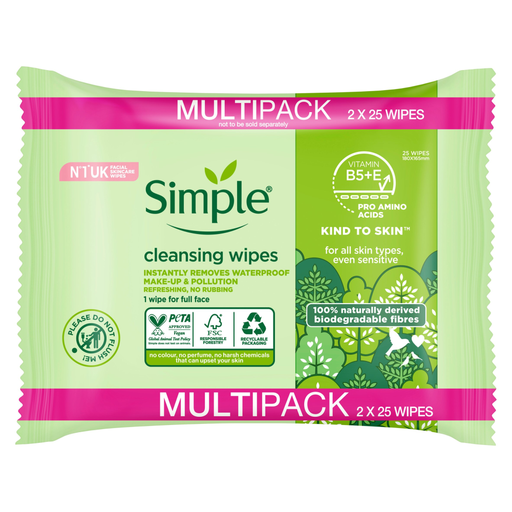
Why This Fits Their Persona: A 50-wipe pack suits everyday facial cleansing and make-up removal when you want a familiar, straightforward option for normal or sensitive skin.
The product directions clearly state to dispose of used wipes in a bin, helping prevent confusion around flushing. The pack also has a resealable design to help retain moisture.
50 wipes; plant-based fibres; contains pro-vitamin B5, vitamin E and glycerin according to the product description.
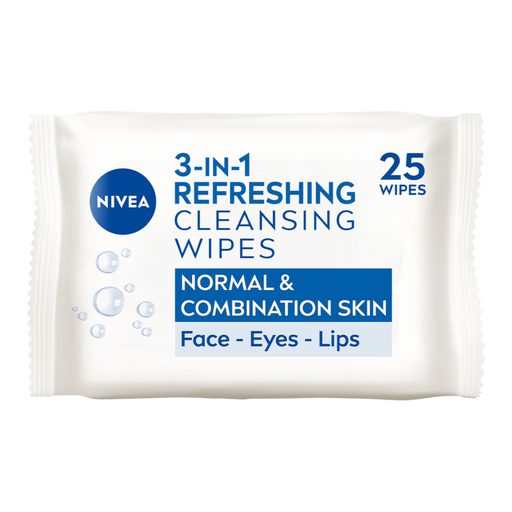
Why This Fits Their Persona: This facial option is suited to shoppers who prioritise a named skincare formula for normal or combination skin, including occasional waterproof make-up removal.
Its stated use is face cleansing rather than general-purpose cleaning, and the product directions explicitly say not to flush.
25 wipes; plant-based fibres; aloe vera and hyaluronic acid listed in the formula.
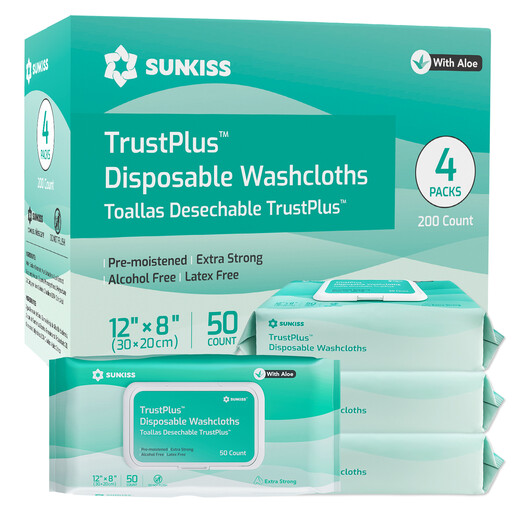
Why This Fits Their Persona: The large pack and extra-large format are suited to carers, families and regular adult cleansing, including no-rinse routines.
The dimensions, fabric weight and no-rinse use are clearly specified. The pack also states that it must be disposed of in regular waste, not flushed.
200 wipes in four packs; 20 × 30 cm sheets; 65 g/m² fabric; fragrance-free, alcohol-free and latex-free formula.
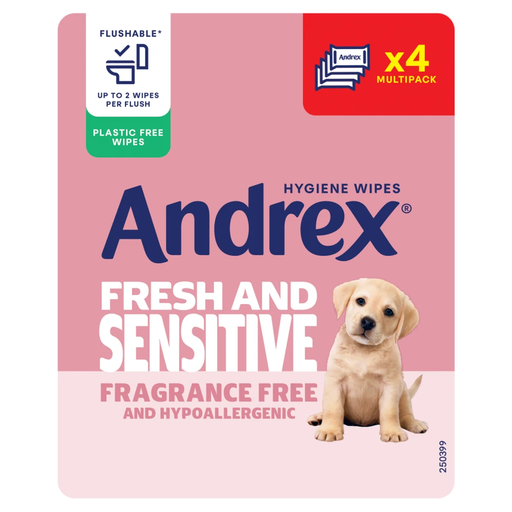
Why This Fits Their Persona: Four 30-sheet packs can suit households, office drawers and travel bags where toilet hygiene wipes need to be available in several locations.
The product states a maximum of two wipes per flush and identifies a fragrance-free, 99% water-based formula. Follow local plumbing guidance and the pack instructions.
120 wipes total; plastic-free wipe base; packaging contains 30% recycled material according to the product description.
We have compiled a complete, real-time list of products that fully satisfy these strict selection criteria and UK safety regulations.
Only flush wipes that are specifically labelled as flushable and follow the stated quantity limit. Many personal-care, face and body wipes must go in general waste. If your property uses a septic tank or has older plumbing, bin disposal is the lower-risk option.
There is no single lifespan for every pack. Moisture retention depends on the seal, storage conditions and how frequently the pack is opened. Keep the lid firmly closed, store wipes in a cool, dry place and follow the shelf-life information printed on the packaging.
The answer depends on usage. Wet wipes provide convenience but create a recurring cost per sheet. For regular home cleaning or washing, reusable cloths may be more economical. For travel, care routines or situations without easy access to water, the time-saving convenience may justify the additional cost.