
24/7 Customer Support

Free returns

Same-day & Next-day Delivery

Quality Guaranteed

Unlock Your Welcome Offers: FREE Delivery | Up to 80% OFF | Free 30-day JoyPlus trial
Download the APP
Wet wipes can simplify toilet care, face cleansing, travel, baby care and adult hygiene. However, choosing by scent, sheet count or a prominent “flushable” label alone can lead to unsuitable purchases. The right option depends on where the wipes will be used, how sensitive the skin is and how they should be disposed of.
“Flushable” does not mean you can flush unlimited quantities. Some products specify a maximum of two wipes per flush, while others must go into a general waste bin. Thick or heavily textured sheets may also move more slowly through household plumbing.
Always check the product label and follow local water and sewerage guidance. Never flush baby wipes, face cleansing wipes, makeup remover wipes, antibacterial hygiene wipes or adult body wipes unless the packaging specifically says they are suitable for flushing.
These terms describe different product features. A plastic-free wipe base may reduce the use of plastic fibres, whereas biodegradable fibres are designed to break down under suitable conditions. Neither claim means the wipe should be littered or automatically placed in home compost.
For non-flushable products, use a household waste bin. Resealable packaging also matters because plant-based or water-rich wipes can dry out when the lid is not properly closed.
Compact toilet or face wipes may be convenient for handbags and travel, but they are not necessarily suitable for full-body cleaning or continence care. For adult hygiene, look for larger dimensions, a stronger fabric and enough moisture to clean without excessive rubbing.
For sensitive skin, compare the ingredient list rather than relying on broad wording such as “gentle”. Fragrance-free wipes, alcohol-free formulas and products without unnecessary harsh ingredients may be preferable for users who are easily irritated. However, “hypoallergenic” is not a guarantee that every individual will tolerate a product.
Face cleansing wipes and makeup remover wipes should clearly state whether they are intended for facial or eye-area use. Avoid direct contact with the eyes unless the instructions specifically permit it and stop using any wipe if irritation occurs.
Check whether the wipe is described as plastic-free, plant-based or made with biodegradable fibres. These claims should be considered alongside disposal instructions. For example, a product may use plant-derived fibres but still need to be placed in general waste.
Packaging can also affect practical value. Adhesive labels and flip-top lids help retain moisture, while individually wrapped travel wipes can be useful when a pack may remain in a car, work bag or suitcase for several weeks.
Compare the total number of sheets with the size of each wipe. A pack containing 15 large antibacterial wipes may be more useful for occasional travel than a larger pack of small sheets. Conversely, a household using toilet wipes every day may benefit from multipacks.
For adult care, dimensions around 20 × 30 cm provide more coverage than standard facial or toilet wipes. For compressed facial wipes, remember that water is required before use, so they are not a direct substitute for pre-moistened cleansing wipes.
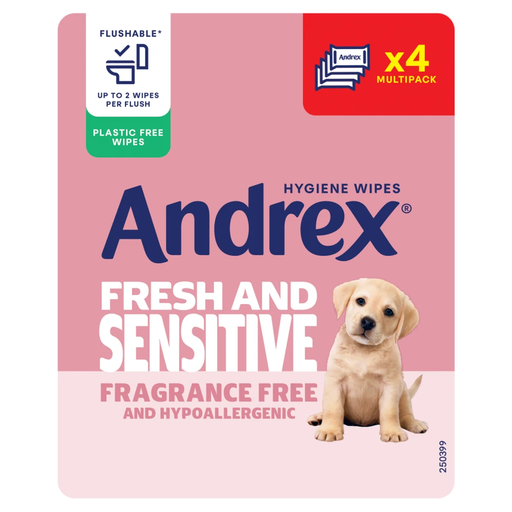
Why This Fits Their Persona: A four-pack gives households a practical supply for regular toilet care, with a 99% water-based, fragrance-free formula listed for delicate skin.
The product information clearly states a limit of up to two wipes per flush, helping buyers avoid treating flushability as unlimited.
Four packs, fragrance-free formula and a plastic-free wipe base; packaging is listed as containing 30% recycled material.
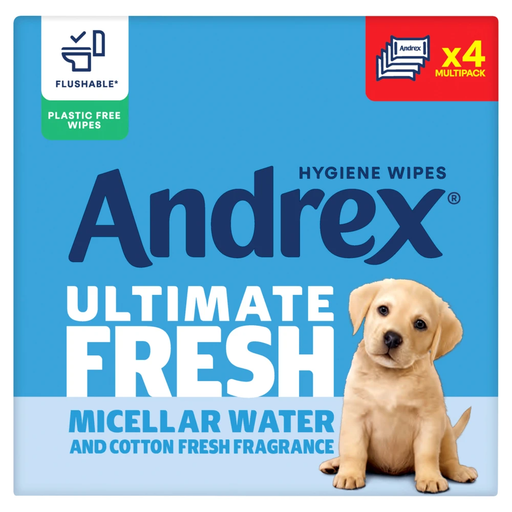
Why This Fits Their Persona: Suitable for shoppers who want a larger toilet-care pack with micellar water and a cotton fresh fragrance.
The directions specify using one or two wipes after dry toilet tissue and not exceeding two wipes per flush.
Four packs of 36 sheets, plastic-free basesheet and packaging described as containing 30% recycled plastic.
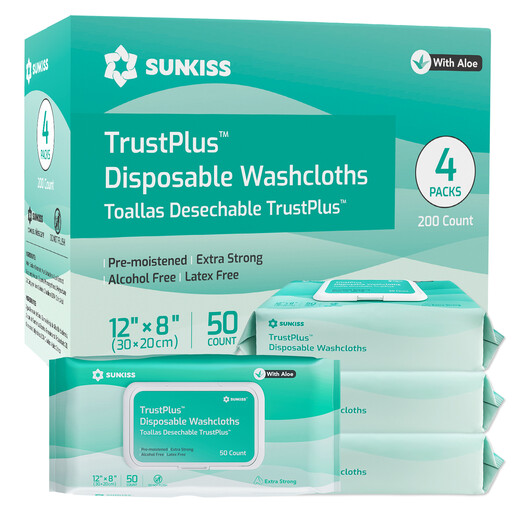
Why This Fits Their Persona: The extra-large format is designed for adult body cleaning, elderly care and incontinence support when a shower or basin is not convenient.
Its stated 20 × 30 cm size and 65 g/m² fabric address the problem of small sheets tearing or offering limited coverage.
200 wipes across four packs, fragrance-free formula with aloe vera and vitamin E and a resealable flip-top lid.
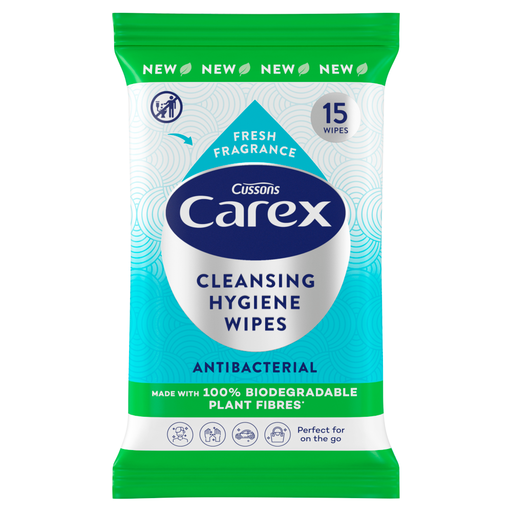
Why This Fits Their Persona: A compact resealable pack suits handbags, cars, baby bags, commuting and travel when soap and water are unavailable.
The directions explicitly say to dispose of used wipes in general waste, avoiding confusion between biodegradable fibres and flushability.
15-wipe portable pack, plant-derived biodegradable fibres and stated use on hands, face and body.
We have compiled a complete, real-time list of products that fully satisfy these strict selection criteria and UK safety regulations.
They may be suitable when the packaging specifically identifies them as flushable and gives clear usage limits. Use only the stated number, flush separately where instructed and never flush several wipes together. Older or vulnerable plumbing may require extra caution, so bin disposal is often the lower-risk choice.
Shelf life varies by product and is normally printed on the packaging. Once opened, moisture retention depends on the seal. Close adhesive labels and flip-top lids firmly after every use and store packs away from heat and direct sunlight. Discard wipes that have dried out, changed colour or developed an unusual smell.
No-rinse cleansing wipes are useful for temporary cleaning when facilities are unavailable, including travel, commuting or adult care. They should not automatically replace thorough handwashing with soap and water where those facilities are available. For face cleansing, follow the product instructions and use a separate cleanser when a deeper routine is needed.