
24/7 Customer Support

Free returns

Same-day & Next-day Delivery

Quality Guaranteed

Unlock Your Welcome Offers: FREE Delivery | Up to 80% OFF | Free 30-day JoyPlus trial
Download the APP
Wet wipes offer undeniable convenience, whether for a quick refresh, removing makeup or managing a nappy change. But with shelves full of options, it's easy to make a purchase you later regret. Many products come with appealing claims that don't always hold up in practice, leading to wasted money, skin irritation or even plumbing problems.
Before you add another pack to your basket, let's look at the common pitfalls that UK shoppers encounter and how to sidestep them.
To make a confident choice, you need to look beyond the front-of-pack marketing. Focusing on a few core parameters will ensure the product you buy is fit for purpose.
The material of the wipe itself is the most important factor for both performance and environmental impact. Many conventional wipes are made from plastic fibres (like polyester), which do not biodegrade and contribute to microplastic pollution.
Look for wipes explicitly labelled as plastic-free or made from 100% plant-based fibres (such as viscose, cotton or bamboo). These materials are more likely to be genuinely biodegradable wipes. For a truly sustainable option, check if the product specifies its biodegradability timeframe and conditions (e.g., "biodegrades in 42 days in home compost").
The liquid solution in the wipe determines its function and suitability for your skin.
baby wipes and for anyone with reactive skin.makeup remover wipes often contain ingredients like micellar water to lift impurities without harsh rubbing. Added skin-conditioners such as Vitamin E, Aloe Vera or Pro-Vitamin B5 can help hydrate and soothe the skin.antibacterial wipes containing a gentle antiseptic agent can provide extra peace of mind.In the UK, the only wipes you should ever consider flushing are those with the official 'Fine to Flush' certification from Water UK. This logo guarantees that the product has passed stringent tests to prove it will break down in the sewer system and not contribute to blockages. If a pack of flushable toilet wipes does not carry this specific symbol, it should be disposed of in a bin.
Based on these practical criteria, we've matched some standout options to different user needs.
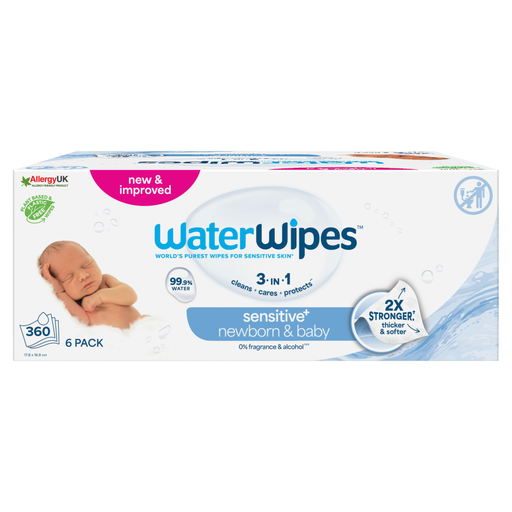
Why This Fits Their Persona: When caring for a newborn's delicate skin, purity is paramount. These wipes are designed for the most sensitive skin, including premature babies, offering a gentle clean without unnecessary additives.
It directly counters the "sensitive skin" pitfall by using just two ingredients: 99.9% purified water and a drop of fruit extract. There is no alcohol or fragrance to cause irritation.
The wipes are plastic-free and plant-based. They are also approved by Allergy UK and the Skin Health Alliance, providing trusted validation for use on delicate skin.
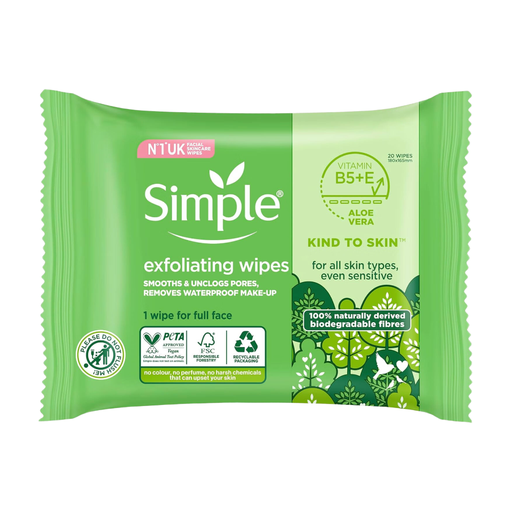
Why This Fits Their Persona: For those who want the convenience of a facial wipe without the environmental guilt, this product offers a clear solution. It combines effective cleansing with a verified eco-friendly disposal path.
It avoids the "eco-claim" pitfall with a specific, verifiable statement: the 100% plant-based fibres biodegrade in 42 days under home and industrial composting conditions.
The wipes are double-sided for gentle exfoliation and are infused with skin-soothing ingredients like pro-vitamin B5 and aloe vera. The packaging is also 100% recyclable.
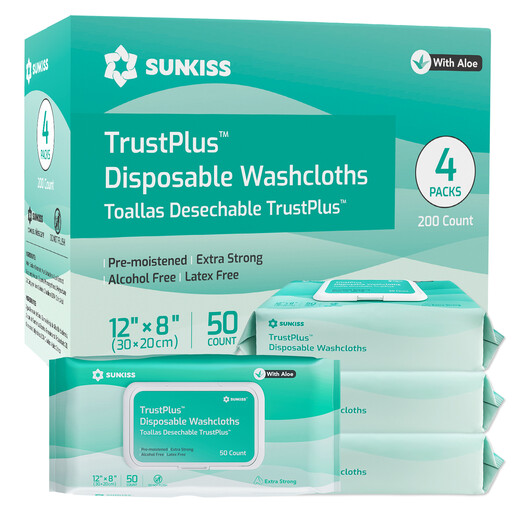
Why This Fits Their Persona: For adult incontinence or bed-bound care, standard wipes are often too small and flimsy. These extra-large, thick wipes are specifically designed for full-body cleansing, providing a practical and dignified alternative to traditional washing.
It addresses the needs of sensitive, fragile skin by being pH-neutral, fragrance-free, and alcohol-free. The formula is enriched with aloe vera and vitamin E to soothe and protect.
The extra-large size (20cm x 30cm) and thick, tear-resistant fabric provide efficient and effective cleansing. The flip-top lid also ensures the wipes stay moist.
We have compiled a complete, real-time list of products that fully satisfy these strict selection criteria and UK safety regulations.
Yes, but with a caveat. Wipes made from plant-based, plastic-free fibres are a significant improvement over plastic-based ones as they will break down over time rather than persisting for centuries. However, their environmental benefit is only fully realised when disposed of correctly. Never flush them unless they have the 'Fine to Flush' logo. For other biodegradable wipes, dispose of them in your general waste or home compost if the packaging explicitly states it is safe to do so.
While you can, it may not be the most effective option for skincare. Baby wipes are formulated to be extremely gentle and are primarily for cleaning, not for removing stubborn makeup, oil or SPF. Facial cleansing wipes contain specific ingredients like micellar water that are designed to break down these substances more effectively. For occasional, gentle cleansing, a pure water wipe is fine, but for a daily skincare routine, a dedicated facial wipe is a better choice.
This term indicates that the product has been tested on human skin under the supervision of a dermatologist to check for its potential to cause irritation. It is a good indicator that a brand has invested in the safety of its formula. However, it does not guarantee that the product will not cause a reaction in every individual, especially those with specific allergies. It is always wise to check the full ingredients list for any known personal irritants.