
24/7 Customer Support

Free returns

Same-day & Next-day Delivery

Quality Guaranteed

Unlock Your Welcome Offers: FREE Delivery | Up to 80% OFF | Free 30-day JoyPlus trial
Download the APP
From sticky fingers to kitchen counters, wet wipes have become a staple in many UK households for their sheer convenience. Yet, the seemingly simple task of buying a pack can be surprisingly complex. With shelves full of options, it is easy to fall into common purchasing traps that lead to wasted money, skin irritation or even plumbing problems. As a Joybuy Product Recommendation Officer, my role is to help you navigate the market and find the right product for your specific needs without the marketing fluff.
Before you add a pack to your basket, be aware of these common pitfalls:
To make an informed choice, it pays to look past the front-of-pack claims and check a few core specifications.
The material of the wipe itself is a critical factor, both for performance and environmental impact. Many conventional wipes are made with plastic resins (like polyester), which are not biodegradable and contribute to pollution.
The liquid solution is what gives a wipe its function, whether for cleaning, disinfecting or gentle personal care.
Using the wrong wipe for the job can be ineffective or even damaging.
To help you find a product that aligns with your needs, here are a few recommendations matched to different user profiles.
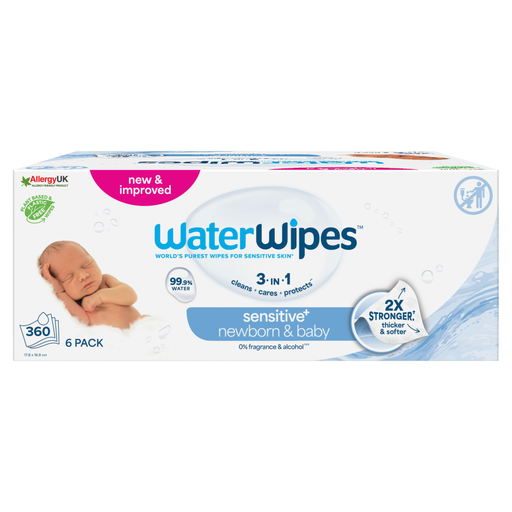
Why This Fits Their Persona: For parents seeking the purest option for a newborn's delicate skin, this product's minimal formula provides peace of mind. It is suitable for nappy changes, as well as cleaning hands and faces, without introducing unnecessary chemicals.
It directly counters the 'hidden irritants' pitfall with a formula of just two ingredients: 99.9% purified water and a drop of fruit extract. It is also made from plastic-free, plant-based fibres.
Approved by Allergy UK and the Skin Health Alliance, making it a reliable choice for sensitive or eczema-prone skin. The wipes are plastic-free.
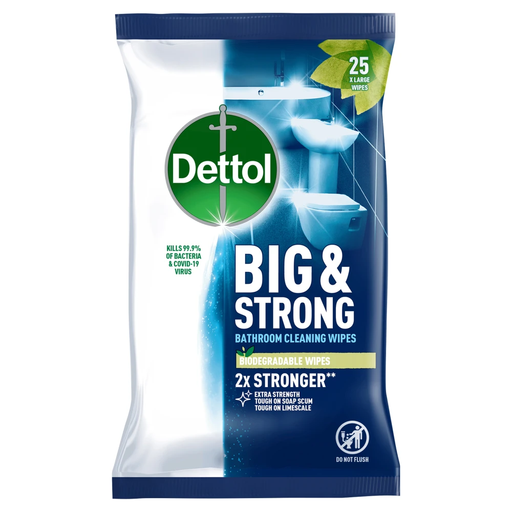
Why This Fits Their Persona: Ideal for those who need a quick and effective solution for disinfecting bathroom surfaces. These wipes are designed to tackle tough bathroom grime like soap scum and limescale while providing antibacterial action.
This product has a clearly defined purpose for hard surface disinfection, preventing the misuse of personal care wipes for household cleaning. The packaging explicitly states "Not for personal use."
The wipes are described as twice as strong as the brand's regular cleansing wipes, making them durable for tougher cleaning jobs. They are suitable for a wide range of bathroom surfaces.
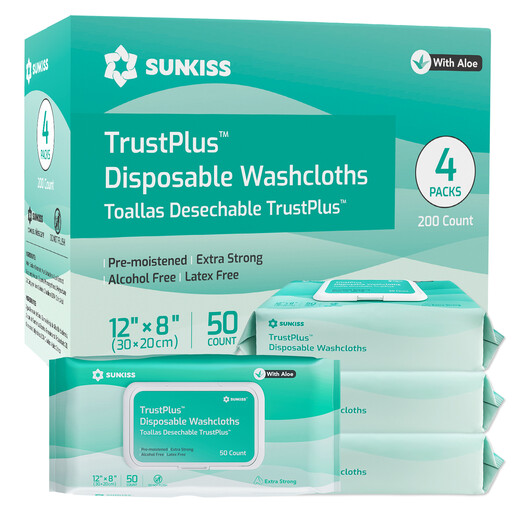
Why This Fits Their Persona: Designed for carers and individuals who require no-rinse body cleansing, such as for elderly care or post-surgery. These are not standard wipes; they are large, thick washcloths for a specific, practical purpose.
This product avoids the trap of being a one-size-fits-all solution. It is a specialised adult body wipe with features tailored to its use case, including an extra-large size (20cm x 30cm) and a gentle, pH-neutral formula.
The formula is enriched with aloe vera and vitamin E, and is alcohol-free and fragrance-free. The thick, tear-resistant fabric provides durability for full-body cleansing.
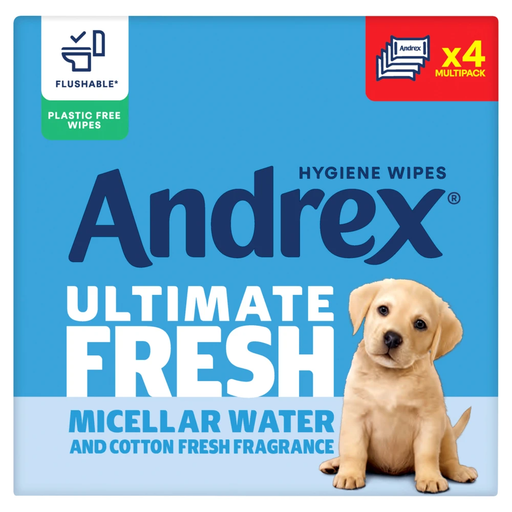
Why This Fits Their Persona: For those who want an enhanced clean after using dry toilet paper but are concerned about environmental impact. These wipes are designed for personal hygiene and offer a more responsible choice.
It directly addresses both the 'flushable' and 'eco-friendly' pitfalls. The product passes industry flushability standards and is made with a plastic-free basesheet, offering a clear and responsible disposal route.
The packaging is made with 30% recycled plastic, adding to its sustainable credentials. The formula is infused with micellar water for a gentle yet effective clean.
We have compiled a complete, real-time list of products that fully satisfy these strict selection criteria and UK safety regulations.
You should be very cautious. Only wipes carrying the official 'Fine to Flush' logo have been tested to prove they break down in UK sewer systems. If a wipe does not have this certification, even if it is labelled "flushable," it is safer to dispose of it in a household bin to prevent plumbing blockages. Always follow the on-pack instructions, which typically advise flushing no more than one or two wipes at a time.
This is a key distinction. Plastic-free means the wipe material itself contains no synthetic plastics; it is usually made from plant-based fibres like wood pulp or cotton. Biodegradable means the material can be broken down by microorganisms. However, some plastics can be technically biodegradable, but only under specific industrial composting conditions that do not occur in sewers or landfill. For a more environmentally sound choice, look for wipes that are both plastic-free and biodegradable.
The simplest way is to ensure the pack is properly sealed after every use. For packs with a resealable sticker, press it down firmly across the entire opening. For packs with a plastic flip-top lid, make sure it clicks shut. Storing the pack upside down can also help keep the top wipes moist.