
24/7 Customer Support

Free returns

Same-day & Next-day Delivery

Quality Guaranteed

Unlock Your Welcome Offers: FREE Delivery | Up to 80% OFF | Free 30-day JoyPlus trial
Download the APP
From nappy changes to sticky fingers and quick household clean-ups, the convenience of wet wipes is undeniable. Yet, the UK market is flooded with options, and not all are created equal. Many shoppers find themselves disappointed with wipes that tear easily, cause skin irritation or make environmental claims that don't hold up. Before you add another pack to your basket, it's worth understanding the common pitfalls that lead to wasted money and poor performance.
As a Joybuy Product Recommendation Officer, my role is to help you navigate these choices. This guide cuts through the marketing jargon to focus on what truly matters, ensuring you select a product that is effective, safe and suited to your specific needs, whether for personal care, your baby, or your home.
Navigating the aisle of wipes can be confusing. Many products look similar, but their performance can vary dramatically. Here are two of the most frequent issues UK consumers encounter:
To avoid these traps, focus on a few key product specifications. A quick check of the packaging or product description for these details can save you from future frustration.
The material of the wipe itself is the most important factor for both performance and environmental impact.
For flushable toilet wipes, the only claim that matters is third-party certification. Look for the IWSFG (International Water Services Flushability Group) logo or a clear statement that the product meets this standard. This certification ensures the wipe has passed rigorous tests to prove it breaks down safely in UK sewer systems. Without it, you risk causing plumbing issues. Always remember to flush only one wipe at a time, even if it is certified.
For any wipe that will be used on skin, especially for babies or sensitive areas, the formula is critical.
Based on these practical criteria, we've matched several products to the distinct needs of UK households.
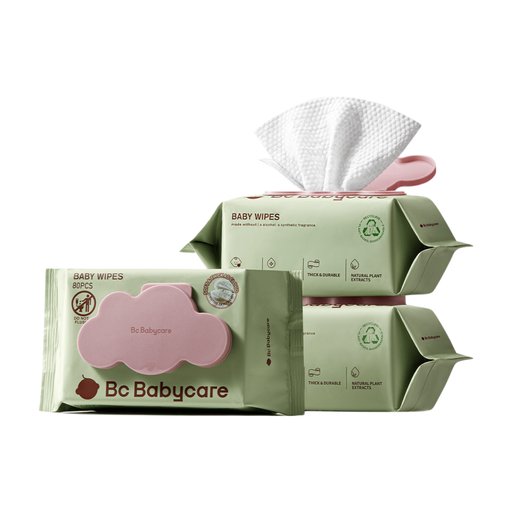
Why This Fits Their Persona: Ideal for parents who need a gentle, reliable and safe option for daily use on a baby's delicate skin. The multi-packs offer good value for a household essential.
It avoids the skin irritation trap with a 99% purified water, fragrance-free formula. It is also OEKO-TEX certified, providing confidence it is free from harmful substances.
Made from 100% biodegradable, plastic-free plant fibres. The extra-thick design means fewer wipes are needed per change.
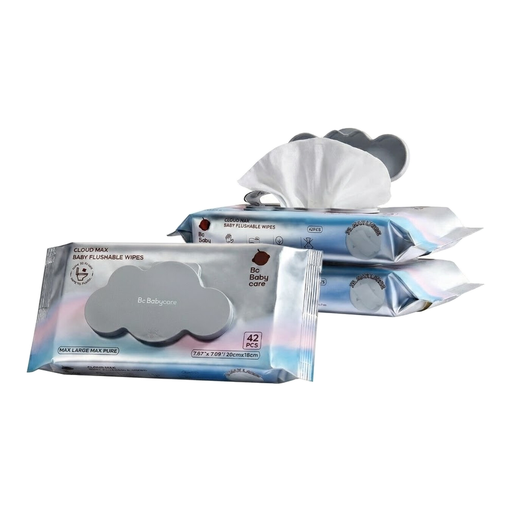
Why This Fits Their Persona: Perfect for those seeking a more hygienic clean without compromising on environmental responsibility. Suitable for the whole family, including during potty training.
It directly solves the "flushable fallacy" by being certified by the IWSFG, ensuring it breaks down safely. It also avoids hidden plastics as it's made from 100% plant-based fibres.
Truly flushable and biodegradable. The formula is hypoallergenic, fragrance-free and paraben-free, making it gentle on sensitive skin.
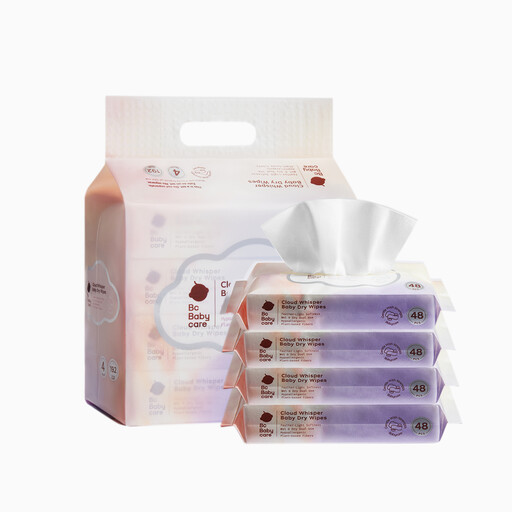
Why This Fits Their Persona: For those who prefer a pure and hygienic way to cleanse their face or remove makeup without the chemicals found in pre-moistened wipes. A great alternative to traditional flannels.
As a dry towel, it completely avoids the trap of harsh chemical irritants. You control what you add—be it just water or your favourite cleanser. It is also hypoallergenic and made from plant-based fibres.
Versatile wet and dry dual-use. The material is exceptionally soft for sensitive facial skin but strong enough not to fall apart when wet. The material is also biodegradable.
For tougher spills and general household duties, sometimes you need more than a standard wipe. We have compiled a complete, real-time list of products that satisfy strict selection criteria for durability and UK safety regulations.
1. Can you really flush 'flushable' wipes in the UK? Yes, but only if they are certified. Look for products that explicitly state they meet the IWSFG standard or carry the 'Fine to Flush' logo, which is the official UK standard. These wipes have been tested to ensure they break down in the sewer system. Even with certified wipes, it is crucial to only flush one or two at a time to prevent any risk of blockages. Never flush baby wipes or other non-certified wipes.
2. Are biodegradable wipes better for the environment? Yes, biodegradable wipes made from plant-based materials like cellulose or cotton are a more environmentally considerate choice than plastic-based wipes. When disposed of in a general waste bin, they will break down in landfill over time, unlike plastic wipes which can persist for hundreds of years. However, "biodegradable" does not mean "flushable." Unless they also carry a flushability certification, they must be disposed of in the bin.
3. What is the difference between a water wipe and a regular baby wipe? The main difference is the simplicity of the ingredients. Unscented water wipes are typically formulated with over 99% water and a tiny amount of gentle preservative or skin conditioner. Regular baby wipes may contain additional ingredients like fragrances, lotions and more complex preservatives. For newborns or babies with very sensitive skin, water wipes are often recommended to minimise the risk of irritation.