
24/7 Customer Support

Free returns

Same-day & Next-day Delivery

Quality Guaranteed

Unlock Your Welcome Offers: FREE Delivery | Up to 80% OFF | Free 30-day JoyPlus trial
Download the APP
Wet wipes offer undeniable convenience, whether for a quick clean-up at home, refreshing on the go or as part of a daily skincare routine. However, the sheer variety can be overwhelming, and marketing claims often add to the confusion. Many UK households find themselves with products that are ineffective, cause skin irritation or worse, contribute to costly plumbing problems. As a Joybuy Product Recommendation Officer, my role is to help you navigate the market and make informed choices. This guide will highlight common purchasing traps and clarify the essential factors to consider.
Before adding a pack to your basket, be aware of these frequent pitfalls that can lead to wasted money and frustration:
To ensure you get a product that performs as needed, focus on these three core parameters.
The composition of a wipe determines its environmental impact and how it should be disposed of.
For any wipe that comes into contact with your skin, the ingredients are paramount.
Different tasks require different formulations.
To help you find a suitable match, here are a few products aligned with different user needs, all of which address the common pitfalls.
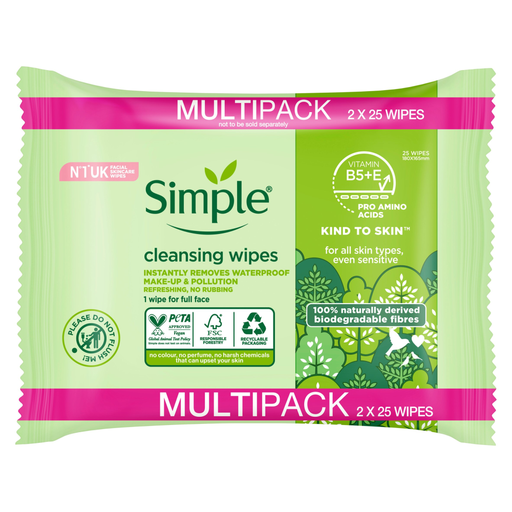
Why This Fits Their Persona: Ideal for those in the UK who prioritise sustainability without compromising on skincare. These wipes are designed for gentle makeup removal and daily cleansing, fitting seamlessly into an environmentally aware lifestyle.
It directly counters the vague "eco-friendly" trap. The wipes are made from 100% biodegradable plant-based fibres and are clearly stated to break down in 42 days under specific conditions, providing transparent information.
The formula is free from harsh chemicals, perfume and alcohol, making it suitable for sensitive skin. Aqua-lock technology prevents the wipes from drying out.
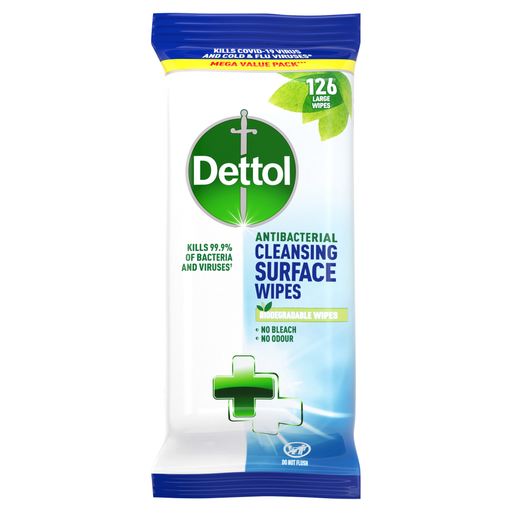
Why This Fits Their Persona: Perfect for UK households that need a reliable solution for keeping surfaces clean and hygienic. It's a workhorse for kitchens, bathrooms and high-touch areas like doorknobs and bins.
This product avoids the "one-wipe-fits-all" myth. It is explicitly designed for hard, non-porous surfaces and is clearly marked as not for personal hygiene use, ensuring it is used correctly and safely.
It is stated to kill 99.9% of bacteria and viruses, including E. coli and the flu virus. The bleach-free formula has no taint or odour, making it suitable for food preparation areas.
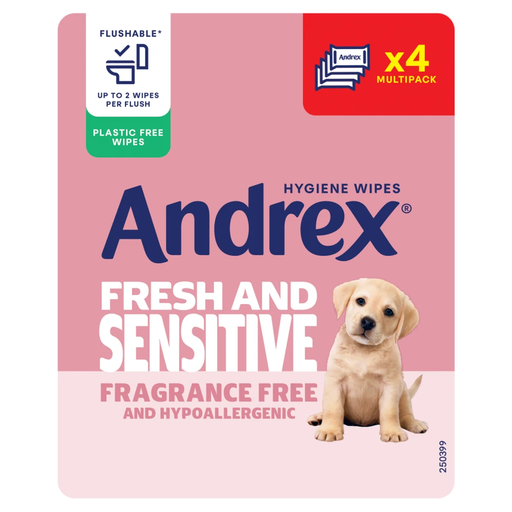
Why This Fits Their Persona: For the commuter, traveller or office worker who needs a gentle, discreet way to stay fresh. The hypoallergenic and fragrance-free formula is ideal for those with sensitive skin who need a reliable personal care product.
It tackles the "flushable" trap with clarity. The product is stated to pass industry flushability standards, but also provides a responsible guideline: flush no more than two wipes at a time. This transparency helps prevent plumbing issues.
The formula is 99% water-based, fragrance-free and hypoallergenic, making it exceptionally gentle. The wipe itself is plastic-free and the packaging contains 30% recycled material.
We have compiled a complete, real-time list of products that fully satisfy these strict selection criteria and UK safety regulations.
1. Can you really flush 'flushable' wipes in the UK? Only if they carry the official 'Fine to Flush' logo. This certification means they have been scientifically tested to prove they will break down in the UK sewer system and not cause blockages. If a wipe does not have this specific logo, it should be disposed of in a bin, regardless of other "flushable" claims on the packaging.
2. Are biodegradable wipes always better for the environment? Not necessarily. "Biodegradable" simply means the material can be broken down by microorganisms, but the conditions and timescale are critical. Many biodegradable wipes will not break down in a landfill due to the lack of oxygen. A more impactful choice is to select plastic-free wipes made from plant-based fibres. This ensures that even if they end up in a landfill, they won't contribute to long-term microplastic pollution. Always dispose of them in a bin.
3. How long do wet wipes last once opened? Most packs of wet wipes are designed with a resealable sticker or a plastic clip to maintain moisture. Once opened, they are typically effective for one to three months, provided they are sealed properly after each use. If the seal fails, they will dry out quickly. Always check the packaging for a Period After Opening (PAO) symbol (an open jar icon with a number like "3M") for specific guidance.