
24/7 Customer Support

Free returns

Same-day & Next-day Delivery

Quality Guaranteed

Unlock Your Welcome Offers: FREE Delivery | Up to 80% OFF | Free 30-day JoyPlus trial
Download the APP
Wet wipes are useful for nappy changes, personal care, toilet hygiene, travel and quick clean-ups. However, choosing a suitable pack involves more than comparing the number of sheets on the front. A low price can hide small, thin wipes, while terms such as “flushable”, “natural” or “sensitive” may not mean the same thing across products.
This guide explains the practical details UK shoppers should check before buying, followed by recommendations matched to different household needs.
A wipe may be made from plant-based or biodegradable fibres but still be unsuitable for the toilet. Baby wipes, sensitive skin wipes, adult cleansing wipes and most antibacterial wipes should go into a household waste bin unless the packaging specifically states that they are flushable.
Even with flushable toilet wipes, follow the instructions carefully. The BC Babycare flushable range states that only one wipe should be flushed at a time. Never flush several wipes together, paper towels or standard baby wipes, as this can increase the risk of blockages.
Pure water wipes can have a short ingredient list, but “water-based” does not automatically mean every person will find them suitable. Check the full ingredients, particularly if the wipes are for a newborn, sensitive skin or frequent use.
Fragrance-free wet wipes may be preferable for people who want to reduce unnecessary scent, while wipes containing aloe vera or vitamin E may offer a more moisturised feel. These ingredients do not guarantee that irritation will not occur, so stop using a product if redness or discomfort develops.
A large pack is not always the most economical option. A smaller wipe may require more sheets per clean, and a poor seal can allow the remaining wipes to dry out. Compare:
Bulk wet wipes can reduce the cost per sheet, but only if you have enough storage and can use opened packs within the stated period.
For baby wipes and sensitive skin wipes, look for clear information about the wipe substrate and lotion. Products may use cellulose, plant-based fibres, synthetic non-woven fabric or a blend. “Plastic-free” usually refers to the wipe material, so check whether the packaging has separate recycling instructions.
For newborn care, fragrance-free and alcohol-free formulas are common choices. Waterwipes Original Baby Wipes list 99.9% purified water and grapefruit seed extract, while BC Babycare Sensitive Skin Wipes list 99% purified water and unscented plant-based fibres. Always read the current pack label, as formulations can change.
Sheet size matters for adult cleansing wipes and incontinence wipes, where a larger surface can make full-body or personal cleaning more convenient. The SUNKISS Trustplus adult wipes measure 20 cm × 30 cm and use a 65 g/m² fabric, according to the product information.
For baby care, thicker wipes can help with nappy changes and sticky hands. BC Babycare Sensitive Skin Wipes are described as three times thicker than many standard wipes and are available in 60-, 240- and 960-sheet formats. Treat thickness and moisture claims as product specifications rather than guarantees of needing fewer wipes.
Do not use ordinary baby wipes as toilet wipes. Do not flush wipes labelled “do not flush”, even if they are plant-based or biodegradable. Oral wipes for babies are a separate product type and should only be used as directed; they are not replacements for ordinary skin or toilet wipes.
Antibacterial wipes also need careful selection. Check whether they are intended for skin, hard surfaces or both, and follow the directions for contact time and disposal. Avoid using surface cleaning wipes on skin unless the packaging clearly permits it.
The following products are organised by usage profile rather than a universal ranking. Check availability, ingredients, pack information and warnings before ordering.
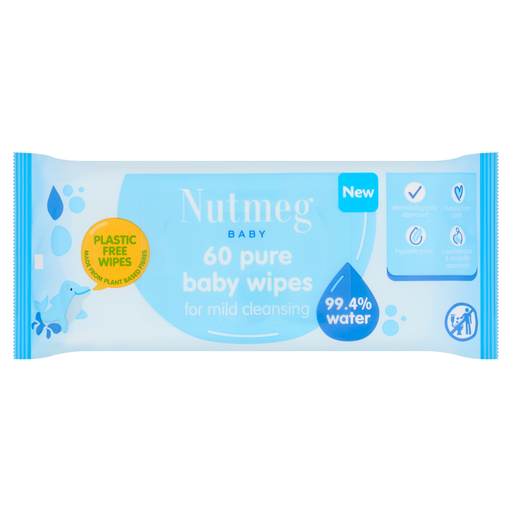
Why This Fits Their Persona: A practical starting pack for parents who want fragrance-free, plastic-free baby wipes without committing to a large bulk order.
The product information identifies the wipes as fragrance- and alcohol-free, and clearly states that they should be binned rather than flushed.
60 wipes per pack; plant-based fibres; added aloe vera; suitable from 0+ months according to the listing.
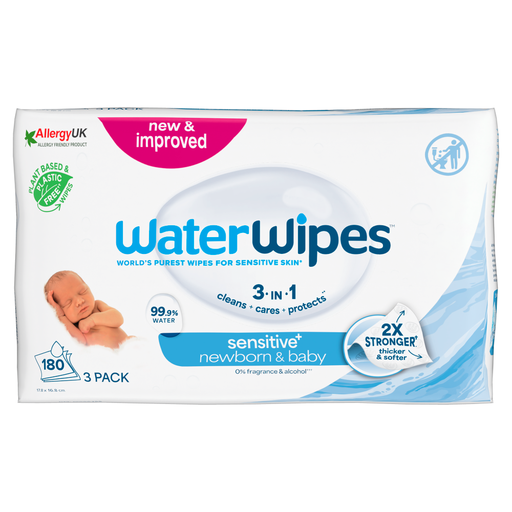
Why This Fits Their Persona: Suitable for shoppers prioritising a short listed formula for newborn, infant and travel use.
The listed formula contains two named ingredients and specifies no fragrance or alcohol. The wipes must still be disposed of in household waste.
180 total wipes; plant-based wipe material; resealable packs for home or changing bags.
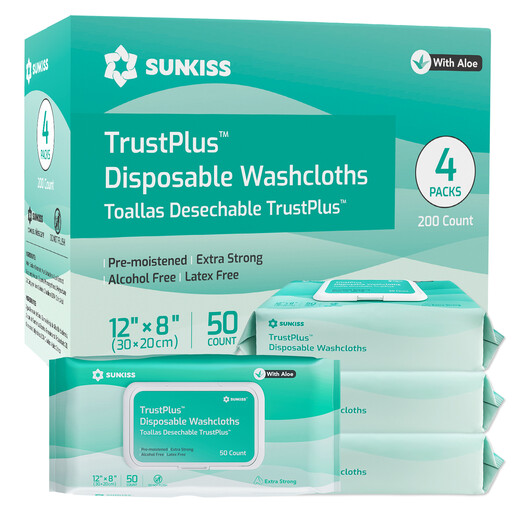
Why This Fits Their Persona: Designed for adult cleansing, elderly care and incontinence routines where a larger sheet and rinse-free use are priorities.
The 20 cm × 30 cm format is stated clearly, and the product is labelled as non-flushable, preventing incorrect toilet disposal.
200 wipes in four packs; thick 65 g/m² fabric; fragrance-free, alcohol-free and latex-free formula.
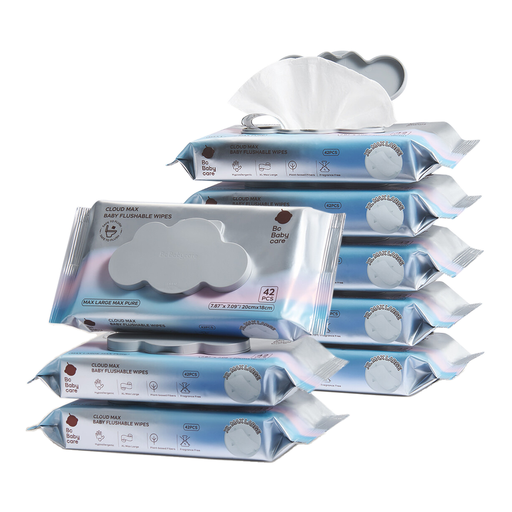
Why This Fits Their Persona: A large household pack for potty training and personal toilet use when certified flushability is an important requirement.
The listing identifies IWSFG certification, 100% plant-based fibres and a one-wipe-at-a-time instruction. Check local plumbing guidance before use.
336 wipes; fragrance-, paraben- and dye-free; extra-large sheets; listed as suitable for all ages.
We have compiled a complete, real-time list of products that fully satisfy these strict selection criteria and UK safety regulations.
Only products specifically labelled and certified as flushable should be considered for toilet disposal. Even then, flush one at a time and follow the pack instructions. Standard baby wipes, adult cleansing wipes and most biodegradable wipes should go in a bin.
Shelf life varies by product. Resealable packs help retain moisture, but opened wipes can dry out if the lid is left loose or the pack is stored near heat. Check the packaging for any recommended period after opening and avoid using wipes that have dried out, changed colour or developed an unusual odour.
Fragrance-free and alcohol-free options may help shoppers avoid ingredients they prefer not to use, particularly for newborn or sensitive skin. They are not a guarantee against irritation. Read the ingredient list, use the product only as directed and discontinue use if redness or discomfort appears.