
24/7 Customer Support

Free returns

Same-day & Next-day Delivery

Quality Guaranteed

Unlock Your Welcome Offers: FREE Delivery | Up to 80% OFF | Free 30-day JoyPlus trial
Download the APP
Managing household waste is rarely as simple as putting a bin outside. A large rubbish bin can take up valuable kitchen or garden space, while exposed wheelie bins may be affected by rain, wind, pests and unwanted attention. Indoors, the wrong container can be awkward to move, difficult to clean or too small for a busy household.
The right wheelie bin storage solutions depend on where the waste is generated, how much capacity you need and whether you also require outdoor storage for bikes or garden equipment. Before buying, watch out for these common pitfalls.
A bin described as “large capacity” may be convenient for family use but unsuitable for a narrow kitchen, hallway or utility room. Measure the floor area, doorways and turning space before ordering. If the container has wheels, also check that there is a clear route between the bin and the external collection point.
For an outdoor enclosure, measure the total width, depth and height of the wheelie bin, including the lid handle. Allow additional clearance so the lid can open and the bin can be removed without scraping against a wall or fence.
Wheelie bin liners are not universally sized. A liner that is too short may pull away from the rim, while one that is too narrow can split when filled. Product descriptions may refer to “standard” bins, but local authorities and households use different capacities.
Check your bin’s litre capacity and internal dimensions. Flat-top wheelie bin liners can be convenient because they are designed to fit over the rim and can be tied before removal, but they still need to match the bin size.
An outdoor wheelie bin storage unit may conceal bins but still perform poorly if its door is difficult to use, its structure is too narrow or moisture becomes trapped inside. For a lockable garden storage solution, check the door design, ventilation, assembly requirements and the material used.
A metal garden shed can provide a more secure structure than a lightweight cover, particularly if you need storage for bikes and garden tools as well as bins. However, it requires a suitable base and enough room for installation.
For an indoor container, consider the number of occupants, cooking habits and collection frequency. A smaller kitchen bin may suit a flat with frequent disposal, while a large rubbish bin can reduce the need to empty waste several times a day.
For a kitchen bin with wheels, look for:
For outdoor storage, measure the bin itself rather than relying on general product descriptions. Include lid movement, wheel clearance and space for removing filled liners.
Extra strong bin bags should be selected according to the type of waste they will hold. Polyethylene (PE) liners are commonly used for household waste, but thickness, dimensions and closure style affect everyday performance.
Look for:
Do not use household waste liners for food storage and avoid overfilling them. Sharp objects, liquids and excessive weight can cause leakage even when a bag is marketed as extra strong.
If you need a weatherproof shed for bins and bikes, galvanised steel can offer a practical option for an enclosed structure. Check whether the product is described as rust-resistant, waterproof or windproof and confirm that these features apply to the construction rather than only a coating or panel.
Ventilation is also important. Air vents can help reduce trapped moisture, while a lockable door provides a way to restrict access. Before installation, check the instructions, base requirements and whether the shed can be positioned safely against a wall or fence.
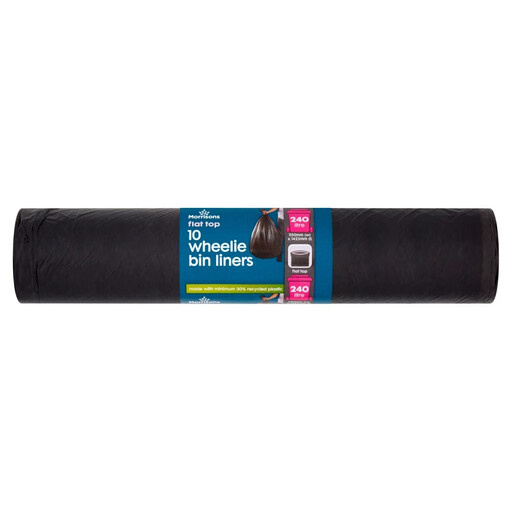
Why This Fits Their Persona: A practical choice for renters, smaller households and anyone seeking a straightforward waste-management refill without buying a new bin.
The flat-top format is designed to fit, tie and remove more conveniently than an incorrectly sized loose bag. Check your bin dimensions before purchase.
The pack contains 10 liners and the PE material is described as resistant to tearing and puncturing.
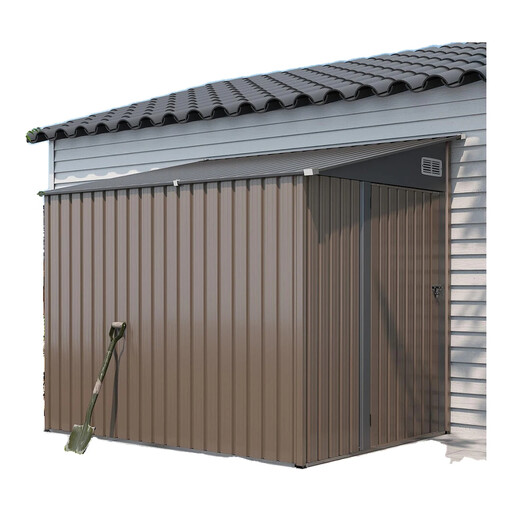
Why This Fits Their Persona: Suitable for homeowners who want concealed outdoor wheelie bin storage alongside dedicated space for bikes, garden tools and family outdoor equipment.
Its lean-to structure is designed for positioning against a wall or fence, while the lockable door and vents address access and moisture concerns.
The shed measures 228.7cm by 8x6FT, uses galvanised steel and includes a lockable door, side air vents and pre-drilled parts.
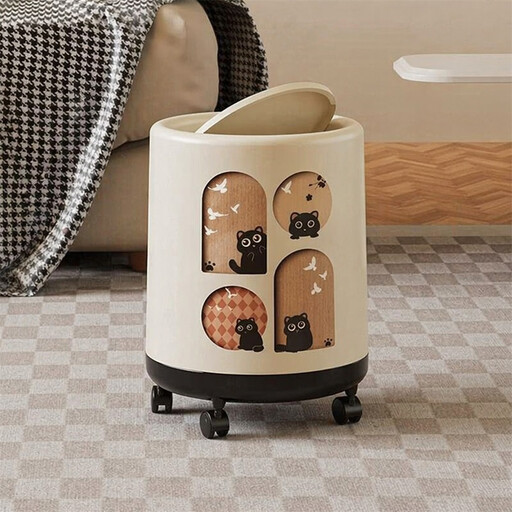
Why This Fits Their Persona: Designed for households that need a more substantial indoor container for the living room, kitchen, bathroom or home office.
The wheels support movement when the container needs emptying, helping avoid lifting a full bin. Confirm its dimensions suit your chosen room.
It combines a large-capacity format with wheels and a retro style for indoor placement in a living room, kitchen or bathroom.
We have compiled a complete, real-time list of products that fully satisfy these strict selection criteria and UK safety regulations.
Keep indoor bins away from radiators and direct heat. Use a correctly sized liner, tie it securely before removal and wipe the container regularly with a suitable household cleaning product. Do not place liquids or sharp items directly into a liner without suitable protection.
For outdoor storage, install the shed on a stable, level base and follow the supplied assembly instructions. Leave enough room to open the door fully, move the wheelie bin out and access bicycles or tools. Check locks, hinges and vents periodically, particularly after wet or windy weather.
Use a correctly fitted liner, avoid overfilling and clean the bin or storage area regularly. A covered outdoor enclosure can help conceal the bin and reduce direct exposure to rain, but ventilation is still important to limit trapped moisture.
They can be useful for heavier or irregular household waste because the material is designed to resist tearing and puncturing. They are not immune to damage, so avoid sharp objects, excessive weight and unsuitable waste. Always check the liner capacity against your wheelie bin.
Yes, provided the internal dimensions allow the bins, bikes and access space to fit safely. A lean-to design may help households with limited garden space. Check the shed’s measurements, door width, base requirements and ventilation before ordering.