
24/7 全天候客户支持

免费退货

当日/次日达

品质保障

开启新人专享福利: 全场免邮 | 低至 2 折 | 免费试用 30 天 JoyPlus 会员
下载 Joybuy
Selecting the right isolate protein powder often comes down to balancing high protein density with flavours and textures you look forward to drinking every day. While conventional protein blends serve broad nutritional needs, whey isolate undergoes refined filtration processes to strip away the majority of naturally occurring sugars, lactose, and fats. This makes isolate a favoured staple for dedicated gym-goers, runners, and individuals closely managing daily caloric intake or macro targets.
Navigating the shelves can nevertheless prove bewildering when choosing between ultra-pure single-source isolates, multi-stage whey blends, and refreshing clear fruit-style alternatives. Finding the right tub requires evaluating protein yield per scoop, digestion tolerance, allergen ingredients, and whether you prefer a thick dessert-like shake or a crisp, light post-workout drink. This guide breaks down the essential criteria to help you make a confident, well-matched purchase for your training routine.
A frequent pitfall is buying tubs labelled with isolate imagery that are primarily whey concentrate formulas bolstered by smaller isolate ratios. While concentrate blends offer well-rounded nutrition, they naturally contain higher levels of fats and carbohydrates. If your goal demands maximum protein concentration per gramme with negligible sugar content, always inspect the ingredient breakdown to confirm whether the product uses exclusively whey protein isolate or a multi-stage blend.
Many traditional protein powders rely heavily on soy lecithin to assist dissolvability in water or milk. Shoppers with soy intolerances or those seeking cleaner ingredient profiles frequently overlook these processing aids on the back panel. Looking out for alternative dispersing agents, such as sunflower lecithin, ensures seamless mixing in standard shaker bottles without triggering ingredient sensitivities.
Clear whey formulas have surged in popularity, yet shoppers occasionally expect them to deliver the rich creaminess of a conventional milkshake. Clear proteins behave like cordial or fruit juice, requiring chilled water and a moment for natural shaking foam to settle. Expecting a thick dairy consistency from a fruit-based clear isolate leads to disappointment, just as mixing a rich dessert flavour with plain water can sometimes taste heavier than desired.
A reliable benchmark for any isolate powder is the ratio of actual protein mass relative to total scoop weight. High-grade isolates typically deliver greater than eighty percent protein density, leaving minimal room for residual carbohydrates or fillers.
Powders fall broadly into creamy dessert profiles designed for milk or water, and light fruity clear isolates suited for refreshing hydration after intense training sessions. Matching the flavour format to your daily habits ensures consistency.
Determine whether your fitness regime prioritises rapid absorption from a single refined source or sustained amino acid release from combined whey structures. Understanding protein filtration categories avoids misaligned expectations.
Explore our carefully selected protein powders tailored to distinct dietary preferences, flavour expectations, and training schedules.
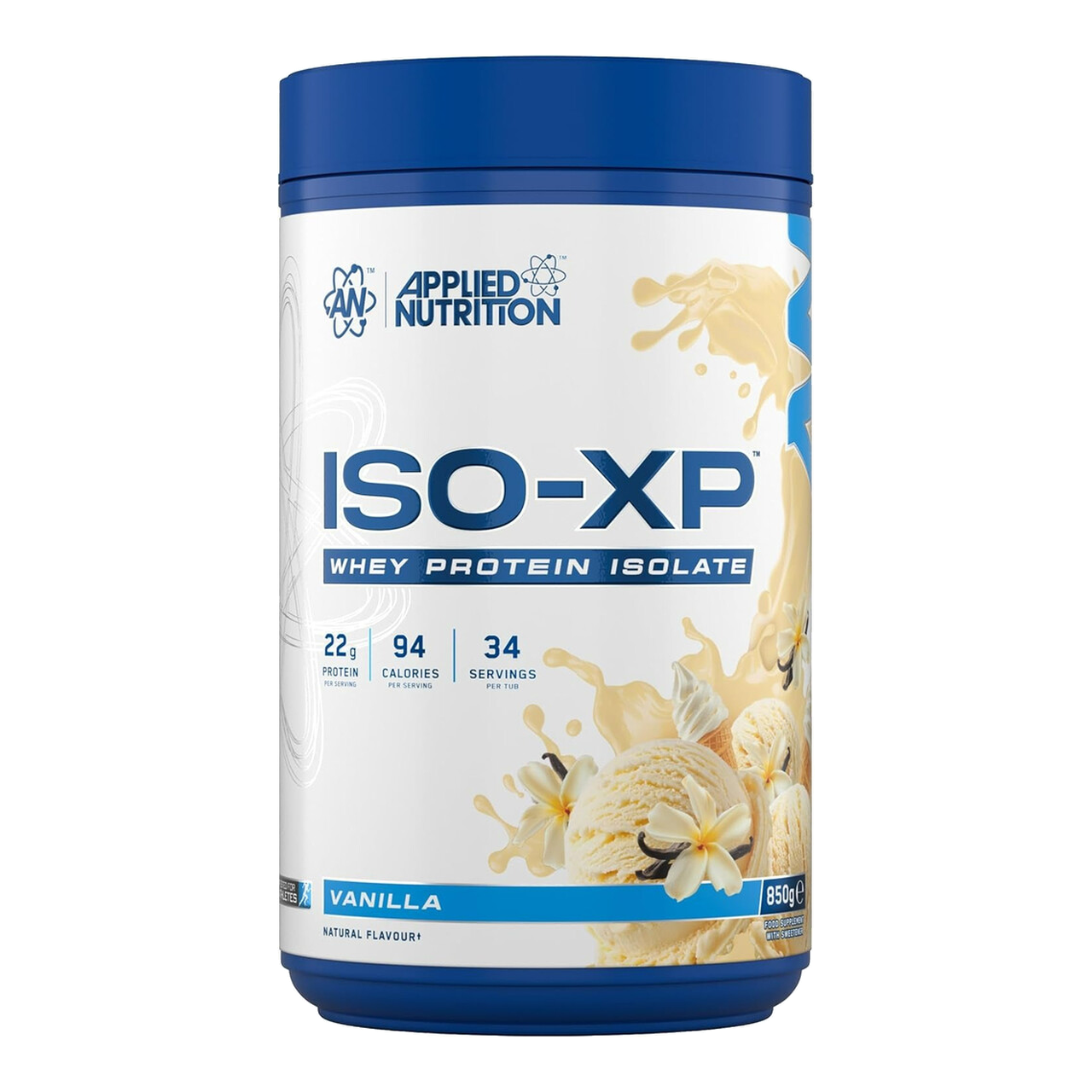
Why This Fits Their Persona: This formulation delivers 22.5g of protein within every 25g serving, offering exceptional nutritional density. With merely 0.09g of sugar and 0.24g of fat per scoop, it seamlessly integrates into calorie-controlled cutting phases or strict macro targets.
It circumvents common allergen pitfalls by using sunflower lecithin as an emulsifier, making the powder completely soy-free while maintaining effortless dispersion in your shaker cup without stubborn clumping.
The classic vanilla profile delivers refined, ultra-lean protein nutrition without packing surplus dairy fats, making it exceptionally versatile for standalone shakes or mixing into breakfast porridge bowls.
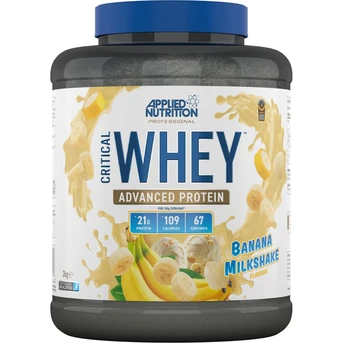
Why This Fits Their Persona: Combining whey concentrate, isolate, and hydrolysate, this generous 2kg tub offers 21.01g of protein per 30g serving. The multi-stage blend provides versatile recovery support across general training days, morning smoothies, or mid-afternoon snacks.
It addresses the problem of thin, watery shakes by pairing isolate with milk-derived concentrate, yielding a satisfyingly smooth banana milkshake mouthfeel that satisfies appetite between main meals.
The bulk 2kg volume and multi-phase whey protein matrix provide cost-effective daily supplementation for athletes who consume multiple shakes across heavy training weeks.
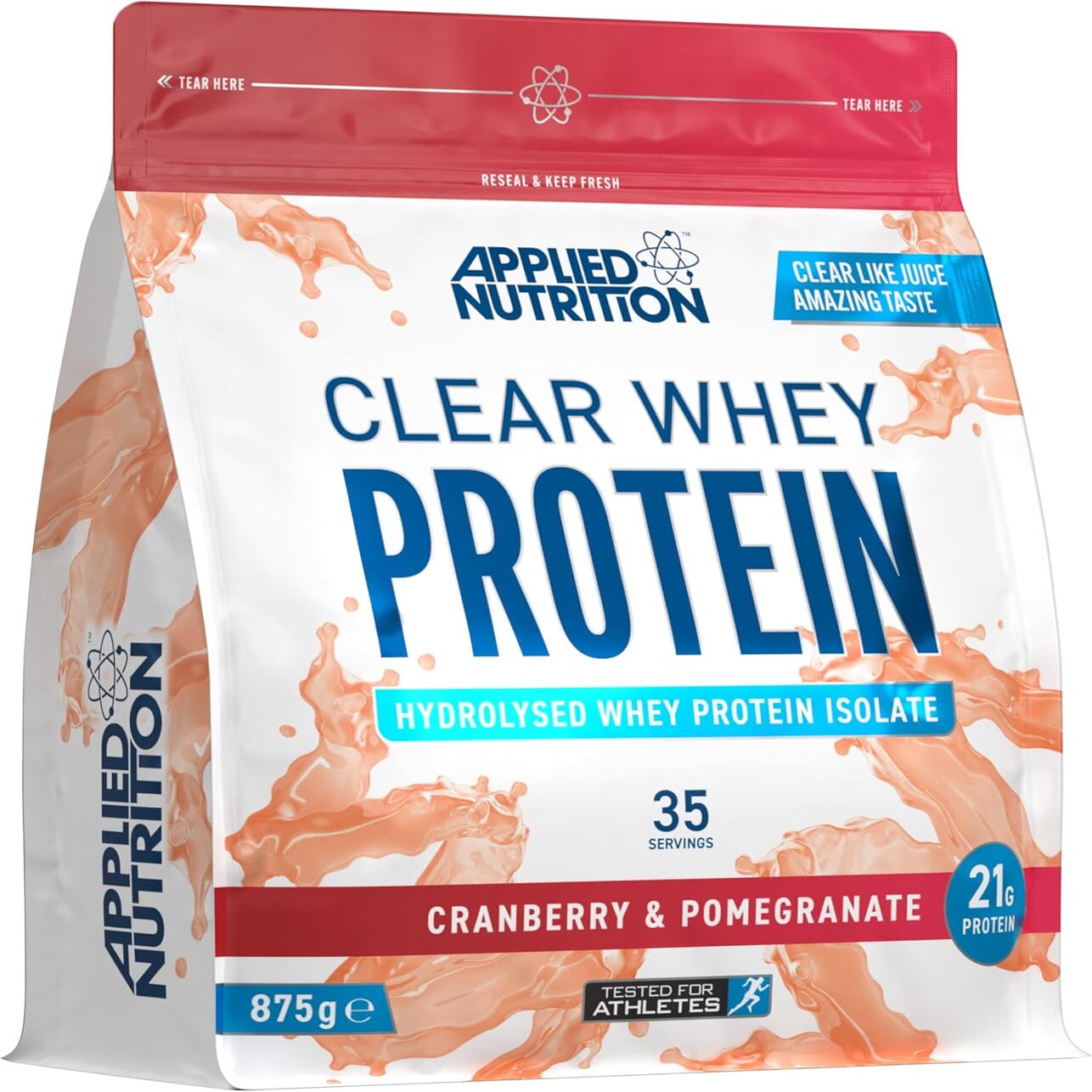
Why This Fits Their Persona: Providing 21.27g of protein alongside just 90 calories per 25g serving, this clear formulation is engineered to mix with 300 to 400ml of cold water to yield a crisp, juice-style beverage rather than a thick dairy drink.
It completely eliminates the heavy, coated feeling associated with traditional milky protein powders after high-intensity cardio, circuit sessions, or outdoor runs in warm weather.
The vibrant cranberry and pomegranate flavour delivers rapid post-exercise refreshment with zero milkiness, behaving like a light fruit cooler while fulfilling lean protein requirements.
Whey protein isolate undergoes an additional micro-filtration step that separates the protein molecules from the liquid whey base. This filtration significantly lowers the amounts of residual lactose, natural sugars, and dairy fats compared to concentrate powders, resulting in a higher percentage of pure protein per gramme of powder.
Add the recommended scoop into 300 to 400ml of chilled water within a standard shaker bottle and shake vigorously for fifteen to twenty seconds. Because clear whey foams naturally upon vigorous agitation, leave the bottle to rest for roughly sixty seconds until the froth settles into a transparent, juice-like drink.
Keep the tub tightly sealed in a cool, dry larder or kitchen cupboard away from direct sunlight, radiator heat, and steam from kettles or hobs. Ensure the measuring scoop is completely dry before returning it to the powder to prevent moisture clumps from forming over time.