
24/7 全天候客户支持

免费退货

当日/次日达

品质保障

开启新人专享福利: 全场免邮 | 低至 2 折 | 免费试用 30 天 JoyPlus 会员
下载 Joybuy
Buying whey protein powder can look straightforward until you compare serving sizes, protein sources, flavour options and added ingredients. A large tub is not automatically good value, and a label featuring “isolate”, “BCAA” or “diet” does not necessarily mean it suits your routine.
For UK gym-goers, athletes and active adults, the practical choice is the formula that fits your daily protein target, calorie budget, dietary requirements and preferred way of using it. Here are the main pitfalls to avoid, followed by our top recommendations for 2026.
A 2kg container may appear cheaper than an 825g pack, but serving sizes vary. Compare:
For example, a product providing 20g of protein in a 25g serving has a different protein concentration from one providing 24g in a 30g serving. Checking the nutrition panel rather than the headline pack size gives a more useful price comparison.
Whey protein isolate is generally more concentrated than whey protein concentrate, with less fat and carbohydrate in many formulations. However, it can cost more. If you are not closely tracking carbohydrates or fat, a concentrate or concentrate-isolate blend may provide a more economical high-protein shake.
Hydrolysed whey is another ingredient often highlighted on packaging. It is whey that has been partially broken down, but its presence alone does not make a product suitable for every user or justify a higher price.
A powder used several times a week must be enjoyable and compatible with your diet. Vanilla whey protein, strawberry whey protein and chocolate protein powder can vary in sweetness, texture and ingredient list.
Check for:
Always read the current packaging, particularly if you have an allergy, intolerance, medical condition or take medication.
A whey blend may contain whey protein concentrate, whey protein isolate or both. Concentrate usually retains more of the milk’s naturally occurring components, while isolate is processed to provide a higher proportion of protein.
The product’s stated percentage is useful, but the per-serving nutrition panel is more important. The products listed here provide approximately:
These figures can vary by flavour, so check the label before purchase.
For a general post-workout protein, a modest amount of carbohydrate and fat may be acceptable. If you follow a calorie-controlled or low-carb plan, compare energy values as well as protein.
The listed Diet Whey products provide approximately 90–101 kcal and 20g protein per 25g serving. ISO-XP provides approximately 89 kcal and 22.5g protein per 25g serving. These options may be convenient for macro tracking, but they should not be treated as meal replacements unless the product label specifically supports that use.
Protein powder is a supplement, not a substitute for a varied diet. Use the manufacturer’s scoop guidance and do not exceed the stated daily amount. A typical serving can be mixed with water, milk or another beverage and used as a post-workout protein or between-meal snack.
Your total protein intake should include ordinary foods such as eggs, dairy products, fish, meat, pulses and tofu. Anyone under medical supervision, pregnant or breastfeeding should seek appropriate healthcare advice before using supplements.
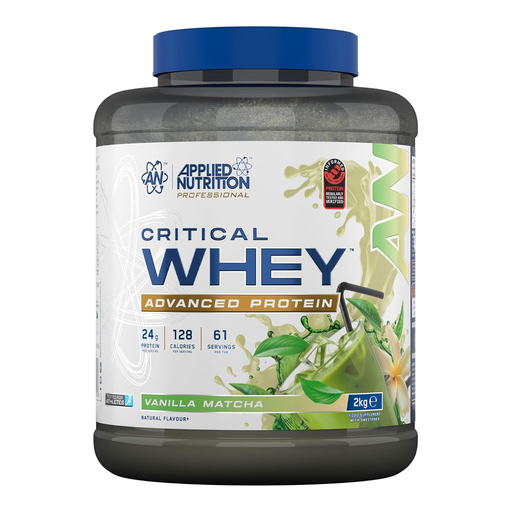
Why This Fits Their Persona: The 2kg format provides a practical option for regular users who want a concentrate-and-isolate blend for shakes between meals or after training.
The product information identifies both whey protein concentrate and isolate, while approximate protein, carbohydrate and fat values are provided per serving. Check the flavour-specific label before ordering.
Large 2kg pack; approximately 22–24g protein per serving; suitable for water, milk or recipes.
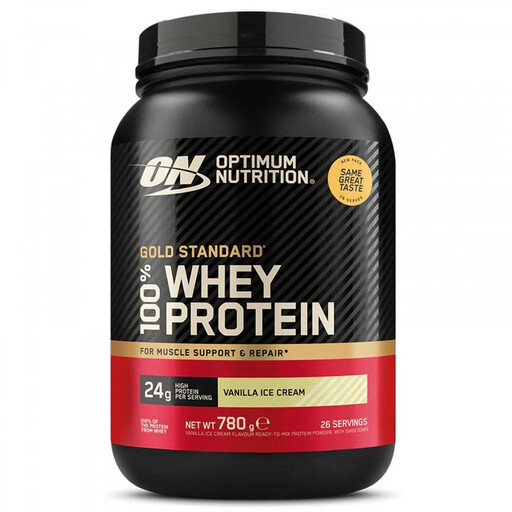
Why This Fits Their Persona: A familiar blend format suits users who want a straightforward daily whey protein with a vanilla flavour and a clearly stated 24g protein serving.
The nutrition panel lists the blend composition, serving size and energy values rather than relying only on performance language.
24g protein per 30g serving; approximately 113 kcal; contains isolate, concentrate and hydrolysed whey.
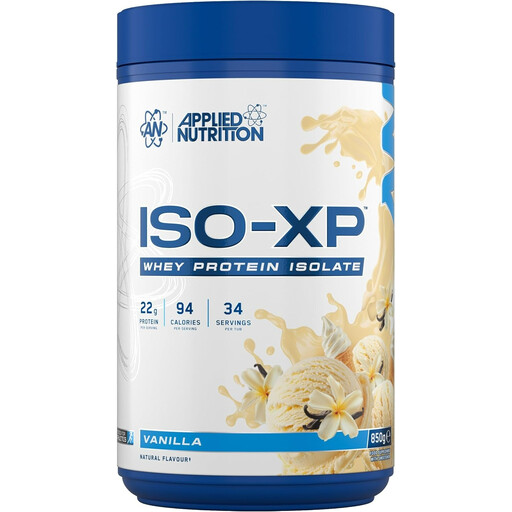
Why This Fits Their Persona: This option is designed around a high proportion of whey protein isolate for adults who closely monitor carbohydrates, sugars and fat.
The listed serving provides specific macro figures, so buyers can assess whether the formula fits a low-carb protein powder plan.
Approximately 22.5g protein and 89 kcal per 25g serving; less than 1g of fat and carbohydrate according to the supplied nutrition information.
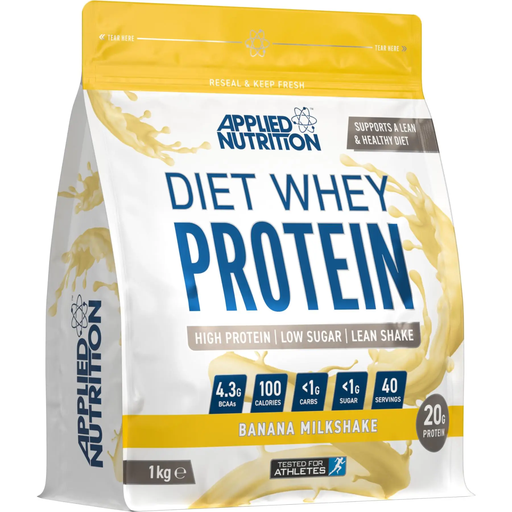
Why This Fits Their Persona: The 25g serving size and low-calorie profile may suit users who want a convenient protein snack while tracking daily energy intake.
The label identifies added CLA, L-Carnitine and green tea extract. These ingredients should not be treated as guaranteed fat-loss solutions, and users should check for possible interactions.
20g protein and approximately 90 kcal per serving; banana flavour; suitable for mixing with water or skimmed milk.
We have compiled a complete, real-time list of products that fully satisfy these strict selection criteria and UK safety regulations.
Mix the stated scoop size with the volume of cold water or milk shown on the label. Less liquid usually creates a thicker shake, while more liquid produces a lighter drink. A shaker can improve convenience, but many instantised powders are also suitable for stirring or blending.
Store the tub tightly closed in a cool, dry place, away from direct sunlight, heat and moisture. Do not use a product if the packaging is damaged or if the powder has an unusual smell, appearance or texture. Check the best-before date and batch information supplied with the product.
It can be a convenient option because isolate products often contain relatively low amounts of carbohydrate and fat. However, values differ between brands and flavours. Check the nutrition panel rather than relying on the word “isolate” alone.
You can use a high-protein shake after exercise, between meals or at another time that helps you meet your daily protein intake. The exact timing is less important than your overall diet, serving guidance and training routine.
Shelf life depends on the product’s best-before date, storage conditions and how frequently you use it. A 1kg tub used at one 25g serving per day contains roughly 40 servings, although scoop sizes and actual fill weights vary. Keep the lid closed and follow the packaging instructions.