
24/7 全天候客户支持

免费退货

当日/次日达

品质保障

开启新人专享福利: 全场免邮 | 低至 2 折 | 免费试用 30 天 JoyPlus 会员
下载 Joybuy
Buying whey protein powder can appear straightforward, but labels often make similar products difficult to compare. A large tub does not always mean better value, while terms such as “rapid absorption”, “clean formula” and “high protein” can distract from the figures that matter.
For UK gym-goers, athletes and health-conscious adults, the practical choice usually comes down to three questions: how much protein is in each serving, what else comes with it and whether the format suits your daily routine.
A 1.8kg bag may look more economical than a 1kg tub, but the useful comparison is cost per serving and protein per serving. Check the recommended scoop size, number of servings and protein percentage before comparing prices.
A low sugar protein powder can still contain a small amount of carbohydrate or sugar. For example, the listed Applied Nutrition ISO-XP flavours provide around 0.09g of sugar per 25g serving, while the clear whey options list approximately 0.24g per serving. These figures are low, but they are not identical to zero.
Traditional whey isolate is generally mixed into a milkshake-style drink. Clear whey protein powder is formulated to create a lighter, fruit-style drink. Choosing a format that you dislike can lead to unused powder, regardless of its nutrition profile.
Whey protein isolate has undergone additional processing to remove much of the fat and lactose found in standard whey concentrates. It can suit adults who want a high-protein, low-fat protein powder, although it is still a milk-derived product.
Hydrolysed whey protein has been broken down into smaller protein fragments. Applied Nutrition’s clear whey products list 95% hydrolysed whey protein, with approximately 21.27g of protein per 25g serving. This format is designed to mix into a clear drink rather than a creamy shake.
A collagen whey protein product is different again. The PhD formula combines whey isolate with 5g of bovine collagen hydrolysate per 30g serving. Collagen should not be treated as a direct replacement for a complete whey protein product when your priority is dietary protein from whey.
For macro-controlled diets, compare the full nutrition panel rather than relying on front-of-pack wording. The Applied Nutrition ISO-XP vanilla, chocolate and banana products list approximately:
The clear whey range lists around 21.27g protein and 90 calories per 25g serving, with approximately 1.01g carbohydrate. A sugar-free protein powder, such as the PhD Clear Whey + Collagen product, lists 0g sugar per 30g serving, but has a different serving size and ingredient profile.
All listed whey products contain MILK. Some ISO-XP chocolate-style products also state that they may contain soybeans, eggs, fish and celery. Always check the current packaging if you have an allergy or intolerance.
Look for clear serving instructions, recommended water volume and maximum daily intake. Most products here use cold water and a shaker. Clear whey may require more water—some instructions specify 200–400ml—to achieve the preferred strength and texture.
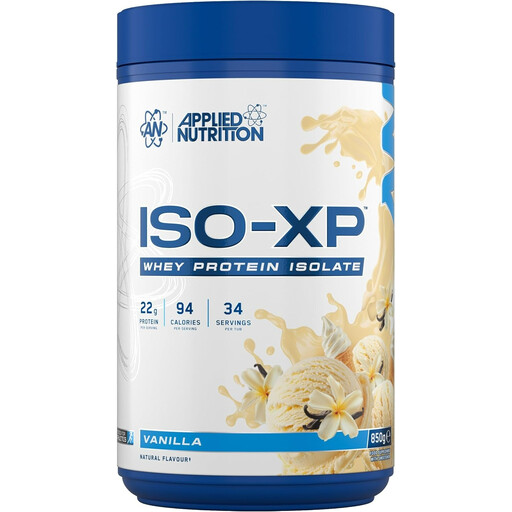
Why This Fits Their Persona: A practical starting format for adults who want a conventional vanilla shake, clear serving information and a 1kg size before committing to a larger tub.
The label provides per-serving protein, calorie, sugar and fat figures, helping buyers compare the powder rather than relying on tub size or broad marketing language.
Lists 22.5g protein and 89 calories per 25g serving; instantised with sunflower lecithin for mixing with water or skimmed milk.
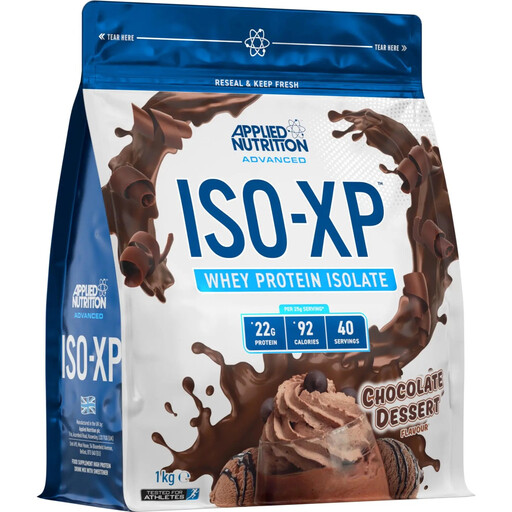
Why This Fits Their Persona: Suits experienced gym users who prioritise a high protein-to-calorie ratio and prefer a chocolate shake for regular post-workout use.
Its nutrition panel makes the small amount of cocoa and flavouring visible, avoiding the assumption that every chocolate powder has the same formulation.
Provides 22.5g protein per 25g serving, with 0.4g fat and 0.1g carbohydrate listed per serving.
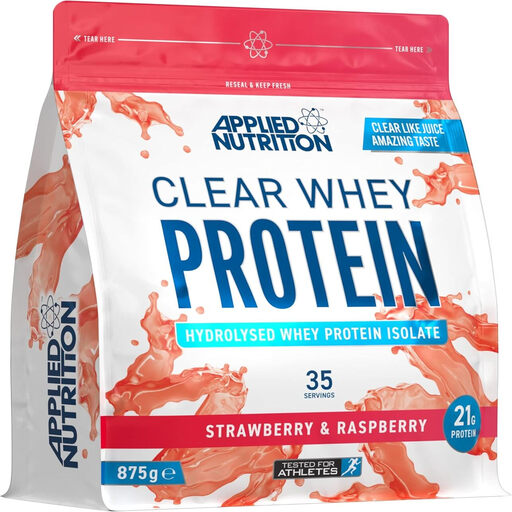
Why This Fits Their Persona: A useful choice for active adults who find creamy shakes too heavy and prefer a fruit-style drink after training or during the day.
The clear format sets realistic texture expectations: it is mixed with cold water as a light drink, not presented as a thick milkshake.
Lists 21.27g protein, 90 calories and 0.12g fat per 25g serving; includes 4,874mg BCAAs per serving.
We have compiled a complete, real-time list of products that fully satisfy these strict selection criteria and UK safety regulations.
Whey protein is a supplement, not a replacement for a varied diet. Use the serving size on the label and count it towards your total daily protein intake. A post-workout protein serving can be convenient, but it does not need to be consumed immediately after exercise to be useful as part of an organised eating pattern.
Mix powder with cold water for a lower-calorie drink, or use milk when additional calories and a creamier texture fit your plan. Store the container sealed in a cool, dry place and follow the best-before and batch details on the packaging.
It can be, provided you check the nutrition panel. Several listed products contain less than 1g of sugar per serving, while the PhD clear whey and collagen product lists 0g sugar per 30g serving. “Low sugar” and “sugar-free” are different claims, so compare the exact figures.
Clear whey is designed to mix into a transparent, fruit-style drink, so it may suit people who dislike thick or creamy shakes. It still contains milk-derived protein and may not suit people with dairy allergies or particular intolerances.
This depends on serving frequency. A 1kg product used at one 25g serving per day provides roughly 40 servings before accounting for scoop variation. A larger tub may reduce the frequency of repurchasing, but compare the serving count and label instructions before deciding that it offers better value.