
24/7 全天候客户支持

免费退货

当日/次日达

品质保障

开启新人专享福利: 全场免邮 | 低至 2 折 | 免费试用 30 天 JoyPlus 会员
下载 Joybuy
Buying whey protein powder can seem straightforward until you compare serving sizes, protein percentages, flavour systems and ingredient lists. A low-priced tub may contain fewer servings than expected, while an attractive “high-protein” claim may hide a relatively high sugar or carbohydrate content.
For UK shoppers, the practical choice depends on how you plan to use it, what your diet already provides and which format you are most likely to drink consistently.
A larger container does not automatically offer better value. Compare:
For example, a 25g scoop and a 33g scoop cannot be compared fairly by tub weight alone. Work out the cost of each usable serving before deciding.
Whey protein concentrate, whey protein isolate and hydrolysed whey protein are different formats, but the ingredient name alone does not tell you whether a product suits your diet.
Check the nutrition panel rather than relying on phrases such as “advanced” or “rapid”.
A low-sugar protein powder may still contain milk, soya, sweeteners or other allergens. Some products also use sugar-free flavour systems that may not suit every taste preference.
UK shoppers should read the full ingredient list, allergen declaration, serving directions and warnings on the product label. Food supplements should complement a varied diet rather than replace ordinary meals.
For a post-workout protein serving, compare the actual grams of protein supplied. The products listed here range from approximately 21g to 25g per serving, depending on the formula.
A product with 24g protein in a 30g serving provides a different concentration from one with 24g in a 40g serving. Also check whether the stated value varies by flavour.
Traditional protein shake powder made with concentrate and isolate generally produces a creamy drink when mixed with water or milk. This can work well between meals or in recipes.
Clear whey protein is designed to mix into a lighter, fruit-style drink. It may be more appealing if you dislike thick shakes or prefer a watermelon, cherry and apple or peach iced tea flavour. Allowing foam to settle after shaking can improve the drinking experience.
Look for clear information about:
BCAA protein powder is not necessarily a separate category of protein: whey naturally contains branched-chain amino acids, including leucine. Compare the stated protein amount and overall nutrition panel rather than paying only for a BCAA reference.
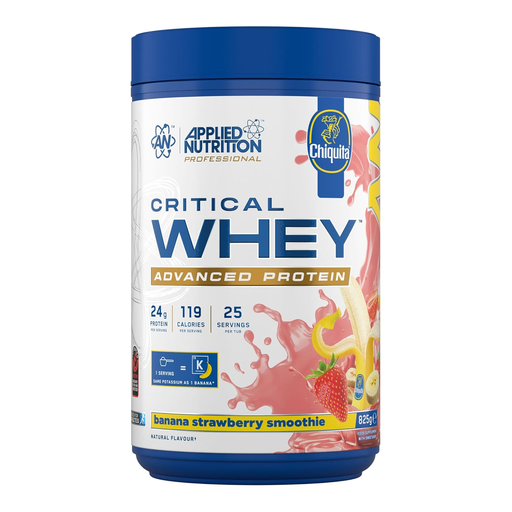
Why This Fits Their Persona: A familiar shake format for people starting strength training or looking for a convenient protein powder between meals.
The listing states approximately 22–24g of protein per serving, with flavour-specific nutrition values available on the label.
Contains whey concentrate and isolate; mixes with water, milk or another drink and comes in an 825g pack.
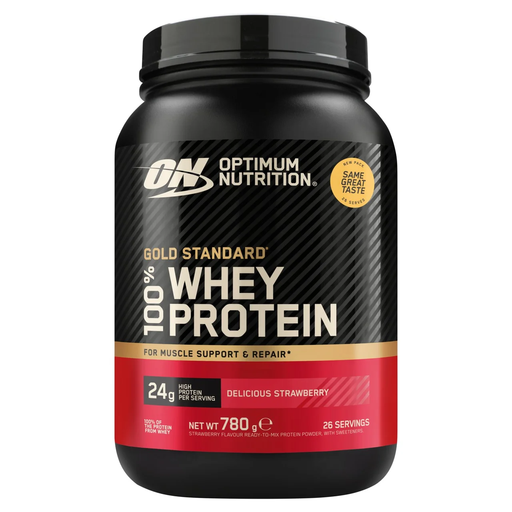
Why This Fits Their Persona: Suitable for shoppers who want a multi-source whey formula and a traditional strawberry shake for regular gym sessions.
The product listing identifies the blend as whey isolate, concentrate and hydrolysed whey, with 24g protein per serving.
Provides a strawberry flavour, 3g carbohydrate and 1.5g fat per listed serving.
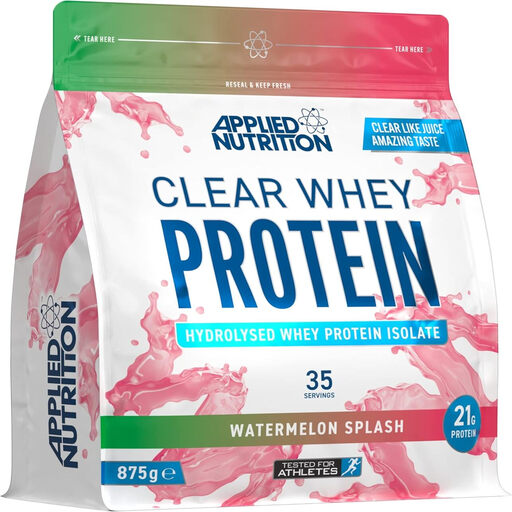
Why This Fits Their Persona: A practical option for frequent trainers who prefer a fruity drink rather than a creamy post-workout shake.
The label information lists 21.27g protein, 0.24g sugars and 0.12g fat per 25g serving, making comparison easier.
Uses 95% hydrolysed whey protein and offers a watermelon clear-drink format in an 875g pack.
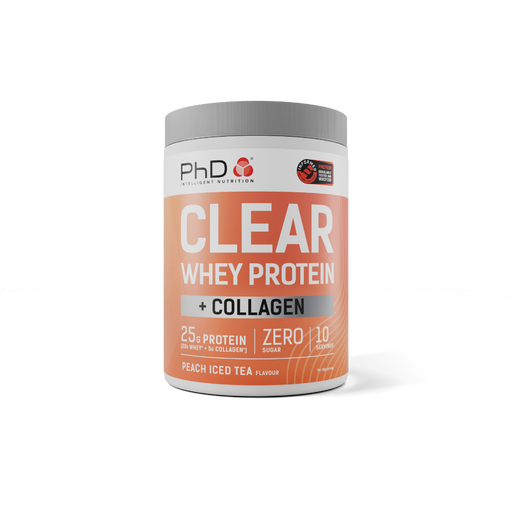
Why This Fits Their Persona: Designed for adults who want a clear whey drink with an additional collagen ingredient and a smaller 300g pack.
The product details specify 25g protein, 5g bovine collagen hydrolysate and 0g sugars per 30g serving.
Peach iced tea flavour, clear whey isolate format and 100mg vitamin C per listed serving.
We have compiled a complete, real-time list of products that fully satisfy these strict selection criteria and UK safety regulations.
A typical serving can be mixed with cold water or milk in a shaker. Follow the product’s stated scoop size rather than using a kitchen spoon, as serving weights differ between formulas.
For a post-workout protein drink, convenience matters more than a precise minute-by-minute window. You can also use protein shake powder between meals, in porridge or in recipes where the flavour and texture work well.
Keep the container sealed in a cool, dry place and check the best-before information. Do not use a supplement if the packaging is damaged or if the ingredients conflict with an allergy or dietary requirement.
It can be used as part of a balanced diet when the recommended serving instructions are followed. Your total protein intake should include ordinary foods such as dairy products, eggs, fish, meat, pulses or suitable alternatives. Anyone with a medical condition, who takes medication, or who is pregnant or breastfeeding should seek appropriate professional advice before use.
Traditional whey powder usually produces a milky, creamy drink. Clear whey protein is commonly mixed with water to create a lighter, fruit-flavoured drink. Choose based on texture, flavour preference and nutrition values rather than assuming one format is automatically more suitable.
Whey protein isolate may suit shoppers comparing higher protein percentages or lower fat and carbohydrate values. However, value depends on the price per serving and your individual dietary needs. A whey concentrate and isolate blend can also provide a practical everyday option, particularly if you prefer a creamy shake.