
24/7 全天候客户支持

免费退货

当日/次日达

品质保障

开启新人专享福利: 全场免邮 | 低至 2 折 | 免费试用 30 天 JoyPlus 会员
下载 Joybuy
Buying whey protein powder should be straightforward: choose a flavour, compare the price and add it to your basket. In practice, UK shoppers can easily pay more for a product that does not suit their diet, training routine or serving preferences.
The most useful approach is to look beyond phrases such as “advanced formula” and compare the information that affects everyday use.
A large tub may look economical, but the important figures are protein per serving, serving size and the total number of portions. A powder providing 24g of protein in a 31–33g serving may offer a different value from one providing 20g in a 25g serving.
Also check carbohydrate, sugar, fat and calorie values, particularly if you are using a high-protein shake alongside a calorie-controlled diet.
Whey protein concentrate, isolate and hydrolysed whey are all milk-derived ingredients, but they are not interchangeable. Concentrate generally retains more of the components naturally found in milk. Isolate is more filtered, while hydrolysed whey has been broken down to some degree during processing.
None of these automatically makes a product suitable for someone with a milk allergy or guaranteed to prevent digestive discomfort. Always check the allergen declaration. Many products also contain soya lecithin, and some may be manufactured in facilities handling egg, gluten or nuts.
A flavour that sounds appealing may become difficult to use daily. Compare reviews where available, but also consider whether the powder mixes with water, milk or both, and whether you need a smaller tub before committing to a 2kg whey protein pack.
Larger sizes can be practical for frequent users, but they take longer to finish and require dry, cool storage. Check the best-before information and keep the lid firmly closed after opening.
For a straightforward post-workout protein option, compare the order of ingredients. A formula led by whey protein isolate may suit shoppers prioritising a more filtered protein source. A blend of concentrate and isolate can provide a balance of texture, flavour and nutritional profile.
Some products also include hydrolysed whey or milk protein concentrate. This is not automatically a reason to pay more, so compare the actual protein quantity and nutrition panel rather than relying on technical language.
Look for:
A BCAA protein powder does not necessarily need added BCAAs: whey naturally contains branched-chain amino acids. For example, the Optimum Nutrition product listed below provides 5.1g of naturally occurring BCAAs per serving, while several Applied Nutrition formulas provide a whey blend naturally containing BCAAs.
Protein supplements should complement meals rather than replace a varied diet. If you have a diagnosed medical condition, take medication, are pregnant or breastfeeding, seek suitable medical advice before using a supplement.
Vegetarians can consider milk-based whey products, although “vegetarian” does not mean dairy-free. People following halal requirements should look for a relevant certification or clear product information rather than assuming it from the ingredient list.
For athletes subject to competition rules, product-specific banned-substance screening may be relevant. Optimum Nutrition Gold Standard Whey and selected Applied Nutrition products state testing under recognised programmes; check the current packaging and certification details before purchase, as formulations and labelling can change.
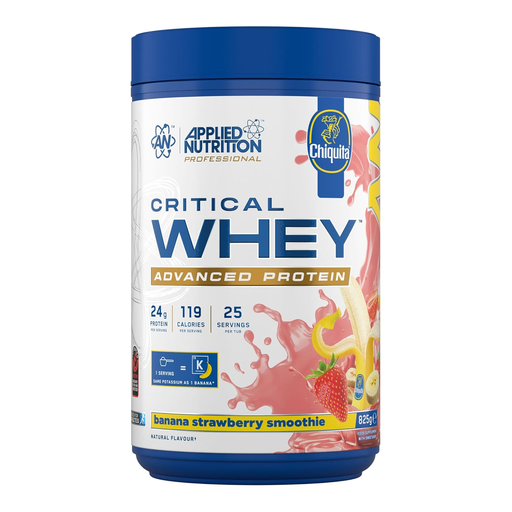
Why This Fits Their Persona: An accessible-sized tub with an approximate 22–24g of protein per serving, suitable for people starting regular gym sessions or adding protein between meals.
The label identifies both whey concentrate and isolate, with flavour-specific nutrition values available to check before ordering.
Blend of concentrate and isolate; designed to mix with water, milk or another beverage.
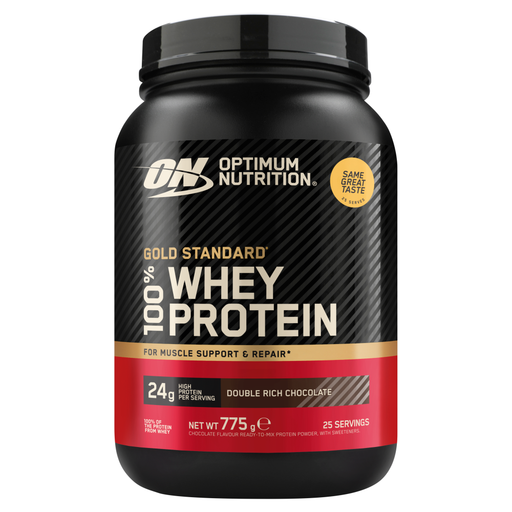
Why This Fits Their Persona: A practical option for gym-goers who want an isolate-led blend, a familiar chocolate profile and clearly stated serving information.
Its 31g serving provides 24g protein, so shoppers can compare the numbers directly rather than judging by tub size alone.
Whey protein isolate is the primary source; one serving contains 5.1g naturally occurring BCAAs.
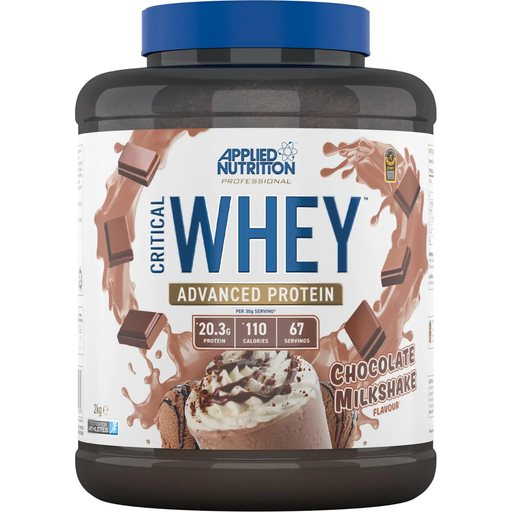
Why This Fits Their Persona: The larger format suits frequent training, shared household use or anyone who already knows they enjoy the flavour and blend.
The 2kg quantity is paired with a stated 24g protein per 33g serving, making it easier to estimate ongoing use and storage needs.
Multi-source blend including concentrate, isolate and hydrolysed whey; 24g protein per serving.
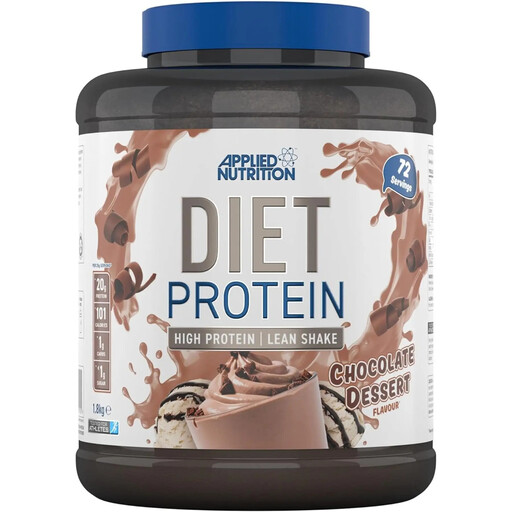
Why This Fits Their Persona: Suitable for adults comparing protein intake alongside calorie and carbohydrate targets, with a chocolate dessert flavour for shake or recipe use.
The label states 101 kcal, 20g protein and 1.02g carbohydrate per 25g serving, so it can be assessed within a personal food plan.
Whey concentrate and isolate blend; vegetarian-friendly according to the supplied product information.
We have compiled a complete, real-time list of products that fully satisfy these strict selection criteria and UK safety regulations.
Many people use it after training or between meals because it is convenient. However, the total protein in your diet matters more than relying on a single timing window. Follow the serving guidance on the label and account for protein from ordinary foods.
There is no single lifespan after opening. Storage conditions, moisture and the product’s best-before date all matter. Keep the container sealed in a cool, dry place, use a dry scoop and follow the label. Discard it if the powder develops an unusual smell, appearance or texture.
Whey is made from milk, so it can fit some vegetarian diets but is not vegan. Halal suitability varies by product and certification. Check the current packaging, certification and complete allergen information before buying, especially where the product is manufactured in a facility handling other ingredients.