
24/7 Customer Support

Free returns

Same-day & Next-day Delivery

Quality Guaranteed

Unlock Your Welcome Offers: FREE Delivery | Up to 80% OFF | Free 30-day JoyPlus trial
Download the APP
Navigating the world of whey protein powder can feel overwhelming. With tubs promising everything from rapid muscle gain to effortless weight loss, it's easy to see why many UK shoppers feel confused. As a Joybuy Product Recommendation Officer, my role is to help you cut through the marketing jargon and focus on what truly matters for your fitness goals and your wallet.
Many well-intentioned purchases end up as half-used tubs gathering dust. This is often due to a few common, but avoidable, pitfalls. Before you spend your money, be aware of these frequent traps:
To make an informed choice, you need to understand a few key parameters. Focusing on these will ensure the product you choose aligns perfectly with your goals.
The primary ingredient in your powder determines its purity, absorption rate and suitability for your digestive system. There are three main types:
Beyond the type of whey, the nutritional panel is your roadmap. Look at the 'per serving' values to see if a product fits your plan.
For those who want to ensure the highest quality and purity, two terms are worth looking for:
Based on these practical criteria, we've matched several products to different user needs. Instead of just listing features, we're showing you who they're for and how they solve the common buying problems.
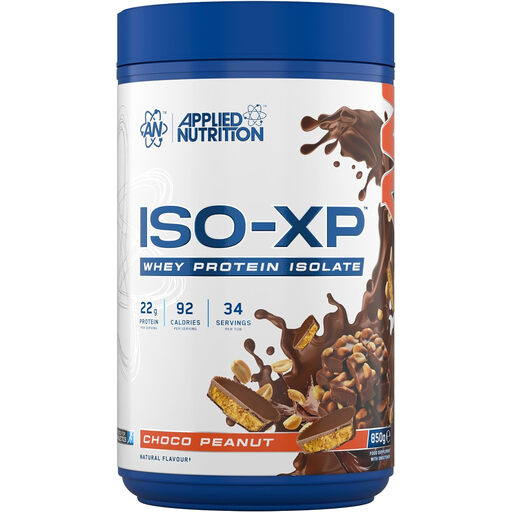
Why This Fits Their Persona: This user needs maximum purity and zero risks. ISO-XP is a pure whey protein isolate with virtually no carbs or fat, making it perfect for strict diets and rapid post-workout absorption. It's also batch-tested for athletes, providing peace of mind.
It sidesteps the "proprietary blend" issue by being 100% whey protein isolate. The label is transparent, showing 90g of protein per 100g of powder.
Extremely high protein purity (22.5g per 25g serving) and fast absorption. Soy-free and gluten-free, sourced from grass-fed cows.
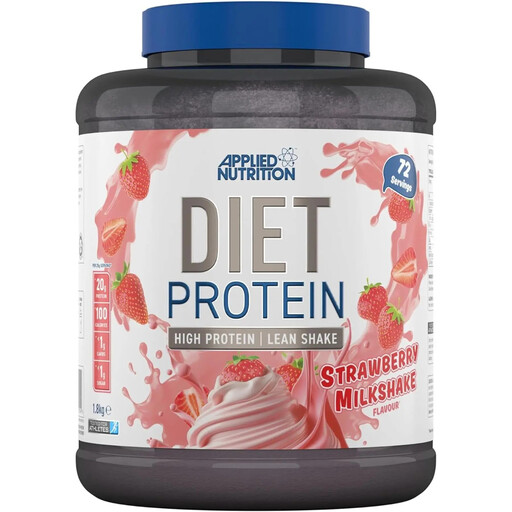
Why This Fits Their Persona: This person is tracking calories and macros closely. They need a shake that supports their goals without adding unwanted sugar or fat. This formula is designed specifically as a low-carb, low-sugar option to support lean muscle during a calorie deficit.
It avoids the "diet whey" trap by focusing on what matters: an excellent macronutrient profile. With only 1g of carbs and sugar per serving, its primary benefit comes from its clean formula, not just the added ingredients.
Delivers 20g of protein for only 101 calories. Includes supportive ingredients like Acetyl L-Carnitine and Green Tea Extract.
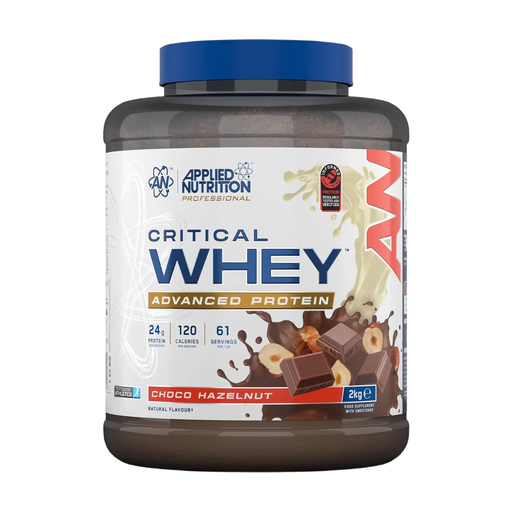
Why This Fits Their Persona: This user goes to the gym regularly and wants a reliable, great-tasting and cost-effective protein to support their efforts. They don't need the highest purity isolate, but want a quality product that works. The 2kg tub offers excellent value for consistent use.
It avoids the taste and texture gamble. This range is known for its excellent flavour profiles and smooth mixability, ensuring you'll actually enjoy drinking it. The blend is also clearly stated on the label.
A balanced blend of concentrate, isolate and hydrolysate for varied absorption rates. Provides a solid 24g of protein per serving and is Halal certified.
We have compiled a complete, real-time list of products that fully satisfy these strict selection criteria and UK safety regulations.
This depends entirely on your individual daily protein target, which is influenced by your body weight, activity level and fitness goals. A general guideline for active people is 1.2 to 2.0 grams of protein per kilogram of body weight. A protein shake is a supplement to help you reach this total, not replace whole food sources. For most, one or two servings daily (providing 20-40g of protein), often taken as a post-workout recovery drink, is sufficient. Always read the product's label for its specific serving suggestion.
It depends on the type of whey and your level of sensitivity. Whey protein concentrate contains the most lactose and is more likely to cause issues. Whey protein isolate, however, has been filtered to remove the vast majority of lactose, making it a suitable option for many people with an intolerance. If you are particularly sensitive, an isolate is the recommended choice.
This is a common misconception. Protein powder is a food supplement that supports muscle repair and maintenance. Gaining significant muscle mass, or "bulk," requires a consistent programme of resistance training combined with a sustained calorie surplus (consuming more calories than your body burns). For many people, using a high protein powder simply helps them meet their daily protein needs to recover from exercise and maintain a lean physique, especially when it's part of a balanced diet.