
24/7 Customer Support

Free returns

Same-day & Next-day Delivery

Quality Guaranteed

Unlock Your Welcome Offers: FREE Delivery | Up to 80% OFF | Free 30-day JoyPlus trial
Download the APP
Buying whisky online can feel straightforward until you compare Scotch whisky, bourbon whisky, Irish whiskey and Japanese whisky side by side. Bottle design, age statements and phrases such as “smooth” or “premium” can influence a decision, but they do not always tell you whether a bottle suits your palate, serving style or budget.
This guide explains the practical details to check before buying whisky in the UK, followed by recommendations matched to different drinking occasions.
An age statement indicates the youngest spirit in the bottle; it does not guarantee that you will enjoy the flavour. A 12-year-old blended Scotch whisky may taste lighter and sweeter than a younger, more robust bourbon. Cask type, grain or malt composition, distillation and blending all affect the final profile.
Use the age statement as one reference point rather than the entire reason for purchasing.
“Smooth whisky” is a subjective description. It may refer to a light texture, gentle spice, limited smoke or a softer finish, but it does not establish a formal quality grade. Someone new to whisky may prefer vanilla, honey and orchard fruit, while an experienced drinker may look for peat, oak, dried fruit or a stronger finish.
Read the tasting notes and check whether the bottle is intended for sipping, mixing or both.
A standard 70cl whisky bottle contains approximately 28 UK units at 40% ABV. Larger bottles may offer more servings but can encourage unnecessary stockpiling, while a higher-strength bottle changes the units per serving and may require more careful measuring.
Check the ABV, net quantity, stated units and serving guidance on the product page. All alcoholic drinks sold in the UK are restricted to people aged 18 and over.
The category gives you a useful starting point:
Origin can guide expectations, but it should not replace reading the specific tasting information.
Most accessible bottles are 40% ABV whisky, while some premium whisky and American expressions are bottled at 43% or 45%. Higher ABV can deliver a fuller sensation, but it also increases the alcohol units in a standard pour.
For cocktails, a 40% ABV whisky is usually straightforward to measure and combine with mixers. For sipping, consider whether you prefer a lighter, clean finish or richer flavours from sherry, bourbon or toasted oak casks.
Cask finishing can significantly change a whisky’s profile. Sherry-seasoned oak may contribute dried fruit, chocolate and sweet spice, while bourbon casks commonly support vanilla and honey notes. Cognac cask finishing may add fruit, nuttiness and warming spice.
Also check allergens and ingredients. Most whisky contains no declared allergens, but some products list cereals, barley or sulphites. Product information should take priority over general assumptions.
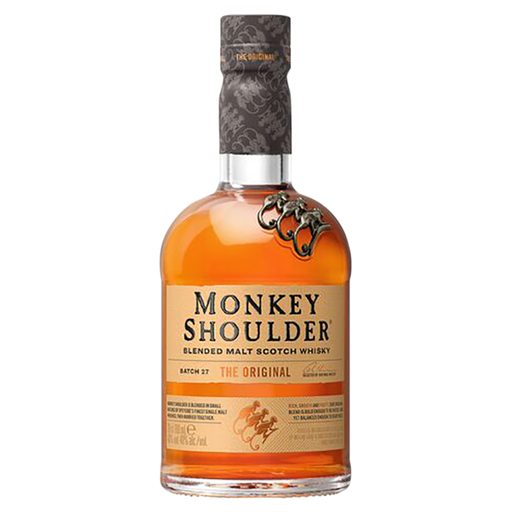
Why This Fits Their Persona: Its 40% ABV and 70cl format provide a familiar starting point for adults exploring malt-led Scotch whisky at home.
The product details identify it as a blended malt made from three single malts, rather than relying only on broad “smooth” marketing language.
Dried orange, vanilla, honey and spicy oak notes; suitable for sipping, ice or cocktails.
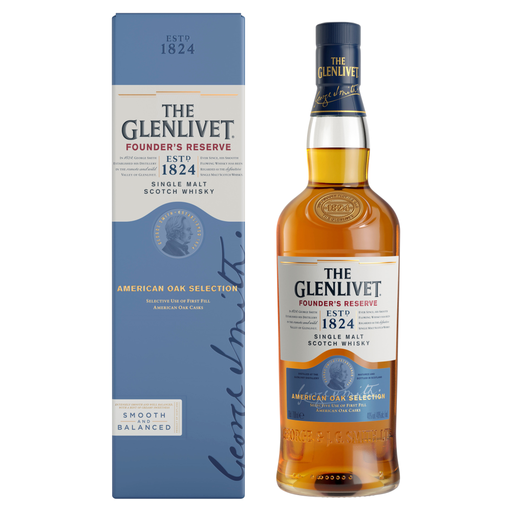
Why This Fits Their Persona: A single malt with a presentation box, making it suitable for a birthday, dinner invitation or other whisky gift.
It provides a clear style, 40% ABV and serving suggestions, so the buyer can assess the bottle beyond its gift packaging.
Fruity and creamy flavour description; American first-fill casks are listed alongside traditional oak casks.
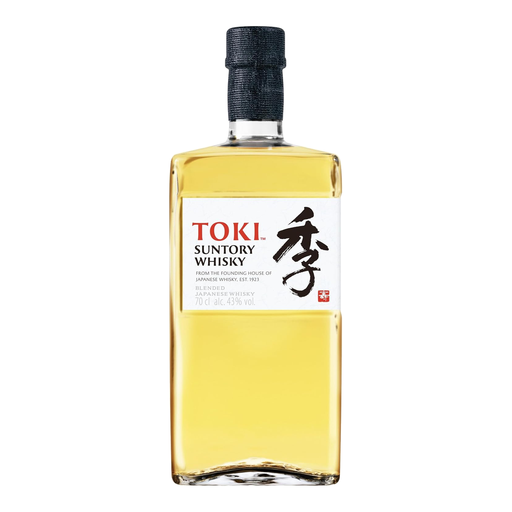
Why This Fits Their Persona: Designed around the Japanese highball, it suits home bars, casual gatherings and cocktail-making.
The listing states its 43% ABV and gives a specific highball serving method, rather than presenting versatility as an unsupported promise.
Green apple, citrus, basil and ginger notes; suitable for highballs, neat serves and mixed drinks.
We have compiled a complete, real-time list of products that fully satisfy these strict selection criteria and UK safety regulations.
Store whisky upright in a cool, dry and dark place away from direct sunlight. Keep the closure tightly sealed after opening. Unlike wine, whisky does not generally improve in the bottle after purchase. An opened bottle can remain enjoyable for a long period when stored correctly, although air exposure may gradually affect its aroma and flavour.
Measure pours carefully, especially with 43% or 45% ABV bottles. A 25ml measure of 40% ABV whisky contains one UK unit. Do not drink and drive, and follow UK Chief Medical Officers’ guidance that adults should not regularly exceed 14 units per week.
Yes. Blended Scotch whisky, bourbon whisky, Irish whiskey and Japanese whisky can all work in cocktails, depending on the recipe. Lighter bottles suit highballs, while bourbon and richer blends can support an Old Fashioned or Whiskey Sour.
A tightly sealed bottle stored away from heat and sunlight can remain drinkable for a long time. However, a bottle with a small amount left inside has more air exposure, which may gradually change the aroma. Buying a 70cl bottle is practical when you expect to share or use it regularly.
A 70cl whisky with clear tasting notes and presentation packaging is a practical choice. For an unfamiliar recipient, a balanced blended Scotch whisky or approachable single malt may be less risky than a heavily peated or unusually high-strength expression. Always confirm that the recipient is aged 18 or over.